
"Photography is not about the thing photographed. It is about how that thing looks photographed."
Same Subject, Changing Seasons
Photography often captures a person at a precise intersection of weather, light, and mood. A winter portrait can feel spare and inward, while a summer frame may seem open, tactile, and kinetic. When the same person returns after several months, those differences become more revealing. The face remains a reference point, but changing foliage, clothing, posture, and surroundings make it a measure of time.
Photographing the same subject across different seasons turns a set of portraits into a visual diary rather than a collection of unrelated likenesses. Its strength comes from continuity: a recognisable viewpoint, a recurring pose, or the same patch of landscape. Each return then tests what has shifted. That method suits fine-art photography, where a repeated figure can carry memory and change, as well as fashion and commercial work, where one subject must remain recognisable across campaigns or corporate seasons.
Australian conditions make this approach especially revealing. Summer runs from December through February and winter from June through August, the reverse of the calendar followed by many photographers in Wrocław and elsewhere in Poland. The subject may arrive in summer heat, then return to a cool, wet winter day within the same year. Those contrasts create a clear narrative arc without dialogue or a written explanation.
Rafal Michalak Photography approaches that arc with an award-winning fine-art practice based in Wrocław, combining traditional analogue methods, medium-format and black-and-white film, darkroom thinking, and considered digital workflows. The aim is controlled enough to reveal change, never so rigid that weather or personality is flattened. A useful recurring series balances repeatable choices with permission for the season to alter tone, texture, and energy.
The Meaning of Repetition
Repetition changes the working relationship between photographer and sitter. In the first portrait, clothing, gesture, and location may need careful direction. By the third visit, the subject often understands the visual grammar and contributes more freely. Familiarity can produce quieter expressions and less performative movement. What begins as a planned session becomes a conversation in which small responses carry as much meaning as the formal pose.
A reliable series balances anchors with variation. Keep the lens and camera position close enough for comparison, but do not force every frame into an identical mould. A tree canopy, wet pavement, or stronger backlight may become part of the concept. The body can turn a few degrees, hands can occupy a different pocket, and an expression may become more open. These changes are measured against visual constants, which makes them easier to perceive.
The creative brief determines what recurrence means. In a business portrait project, the same employee can be photographed in a controlled office setting each quarter to show consistency within a brand. In fashion, clothing and silhouette lead the seasonal progression. For a conceptual series, the relationship between body and environment may carry the story. Whatever the genre, the subject should help define how much is retained and how much is allowed to change.
Planning Across the Seasonal Cycle
Planning begins with the reason for repetition, not simply with a calendar. Decide whether the project should chart ageing, wardrobe, a particular site, or a year in the subject’s working life. List the narrative beats, required crops, and intended audience before choosing dates. Consult a sun-path app, then build some flexibility around rain, wind, pollen, and public holidays. Seasonal work moves at the pace of the weather, especially in Australia.
Location recce is where continuity becomes concrete. Return to the same doorway, window, park, or shoreline so the viewer can register small alterations. Australian settings offer distinctive material: eucalyptus foliage, sandstone walls, harbour water around Sydney, and shadowed laneways in Melbourne. Avoid depending on one spectacular view. A modest site used repeatedly will reveal colour, growth, wear, and human traces more clearly than a different dramatic location at every sitting.
Wardrobe and props need an evolving logic rather than a permanent uniform. Keep one simple garment or accessory as a visual anchor, then introduce layers, footwear, or texture suited to each season. Remove distracting logos when the image is intended for timeless portraiture. Bring backup fabrics for a sudden downpour, but do not disguise genuine weather. A concise shot list, reference images, and agreed backup locations will protect both the creative idea and the production schedule.
Australian Light and Weather
Australian daylight rewards preparation because its intensity and direction can change sharply over a short period. Brisbane and Sydney can produce hard, high-UV sunlight, while Melbourne may offer soft overcast light and then clear, low sun within the same week. Backlight around coastal water can be beautiful but exposes quickly. Establish a preferred time window, arrive early, and be ready to work under trees, beside buildings, or in open shade when direct sun becomes unkind.
Expose for the subject’s skin and the brightest clothing, then assess the background separately. A polariser can control glare on leaves and water, while diffusion or a light scrim can soften the overhead sun. Large reflectors and flags protect highlights, and a small rain cover matters more in a coastal shoot than a decorative accessory. Check skin tone, catchlights, and shadow detail on the camera screen, but make the final judgement from the full image rather than a histogram alone.
Seasonal clothing also affects how a portrait enters Australian visual culture. When building a wardrobe brief, the contemporary fashion context on Oh That Emily can complement direct reference images by showing how Australian audiences respond to colour, fabric, and lived-in style. The aim is not to copy a trend site; it is to choose pieces with cultural and visual relevance. Natural linen, practical cotton, a familiar swimsuit, or a substantial winter coat can say as much about place as any studio prop.
Medium Format, Film and Digital
Medium format is particularly useful when the final prints demand generous tonal scale and precise planes of focus. The technical choices are explored in the photographer’s medium-format field guide, but the practical principle is simple: decide what must remain stable before the seasons change. A fixed camera, normal lens, and consistent working distance give each frame a common geometry while allowing foliage, clothing, and light to provide variation.
Film rewards that geometry with texture, but it should not become an excuse to surrender control. Use a colour reference and the same film family when possible, then make deliberate choices about black-and-white frames where detail or contrast matters. Metered exposure, a light meter, or digital scouting can help estimate each setup before loading film. Keep notes about lens, filter, aperture, developer, and scanning method. Good record-keeping is part of continuity, not administrative clutter.
Darkroom principles can guide digital correction too. Print or scan for a stable density range, hold detail in the face, and use restrained dodging and burning rather than inventing detail from nothing. Digital colour files should be handled through a consistent profile, while alternate black-and-white versions can reveal a different emotional structure. The series may mix formats, provided the transitions feel deliberate. Technical variety becomes distracting when the viewer loses the thread connecting one season to the next.
Personal and Commercial Applications
This process serves both personal and commissioned photography without turning either into a rigid formula. For a fine-art portfolio, the sequence can explore memory, environmental change, and the passage from spring into summer, autumn, and winter. For business portraits, repeated sessions can show a person’s role and working environment with continuity. Fashion, event, and conceptual work benefit from the same discipline: define the stable brand or narrative elements, then let each seasonal setting contribute its own atmosphere.
Australian commissioning often values direct communication, compact timelines, and imagery that can operate immediately across brand, editorial, and social channels. Casual expressions such as “shout” or a Thursday “arvo” deadline are common, yet the commercial agreement should remain precise. Quote location, reshoot conditions, editing scope, usage, and licensing separately. If a client needs a rapid digital set, a slower film study, or both, state the production method and delivery schedule in writing before the date is confirmed.
Before the first sitting, agree on consent, image limits, and the intended emotional register. During each return, compare the contact sheets, not merely isolated favourites, and identify which changes support the story. Deliver a coherent set with portrait, landscape, detail, and social crops, while preserving a master archive for later print or exhibition use. On Rafal Michalak’s portfolio, recurring work can thus show technical control and human change at once. The finished sequence holds weather, memory, and time in the same frame.
Selected Series
A cross-section of commissioned and personal projects spanning fine art, commercial, and conceptual work.
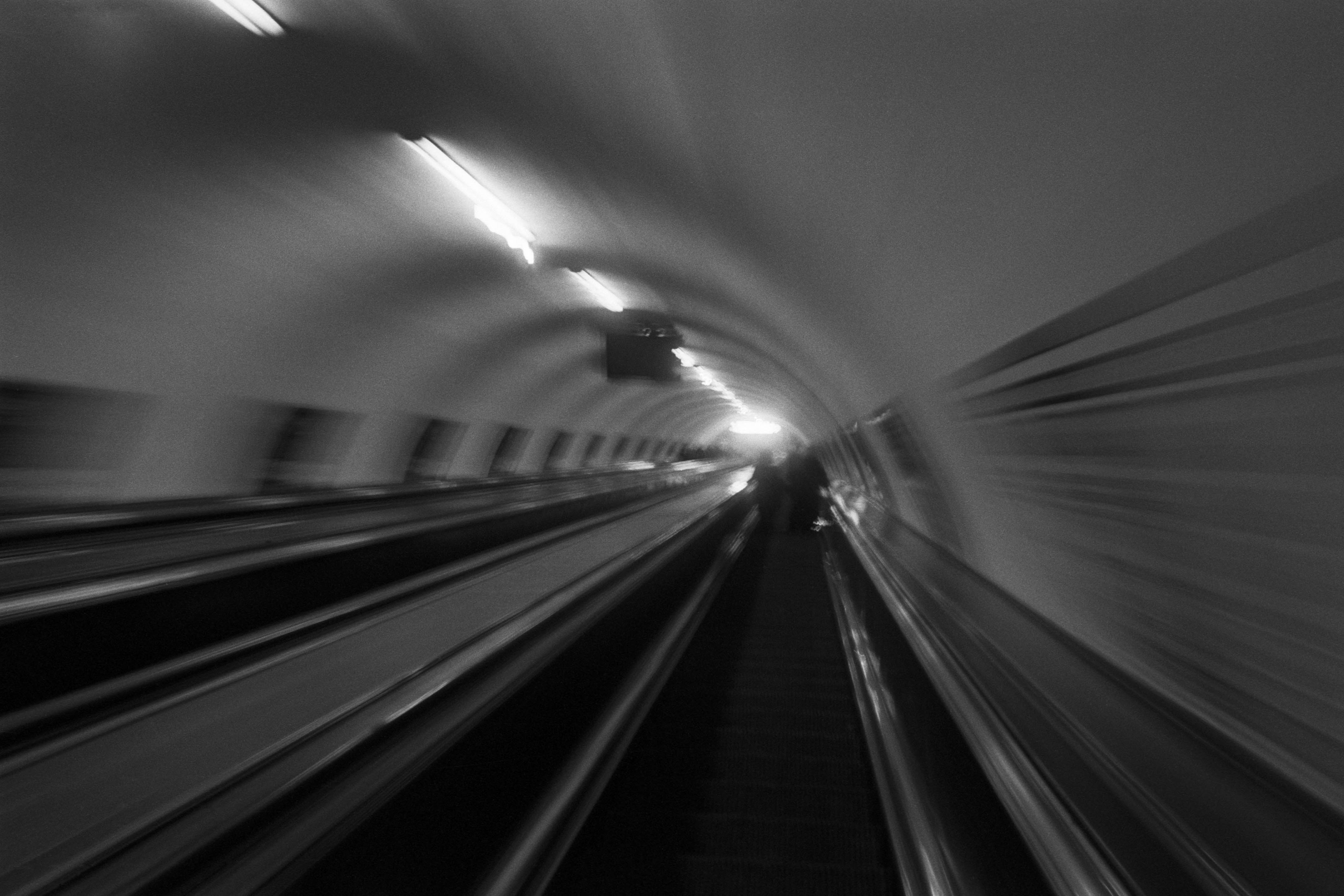
The Wall
2015Winner of the 1st prize & Golden Glass Award at the 11th Photographic Open Championship Olsztyn, and 1st place with the Special Prize of FORMAT magazine at the 3rd Biennial of Art in Piotrków Trybunalski.
View Series →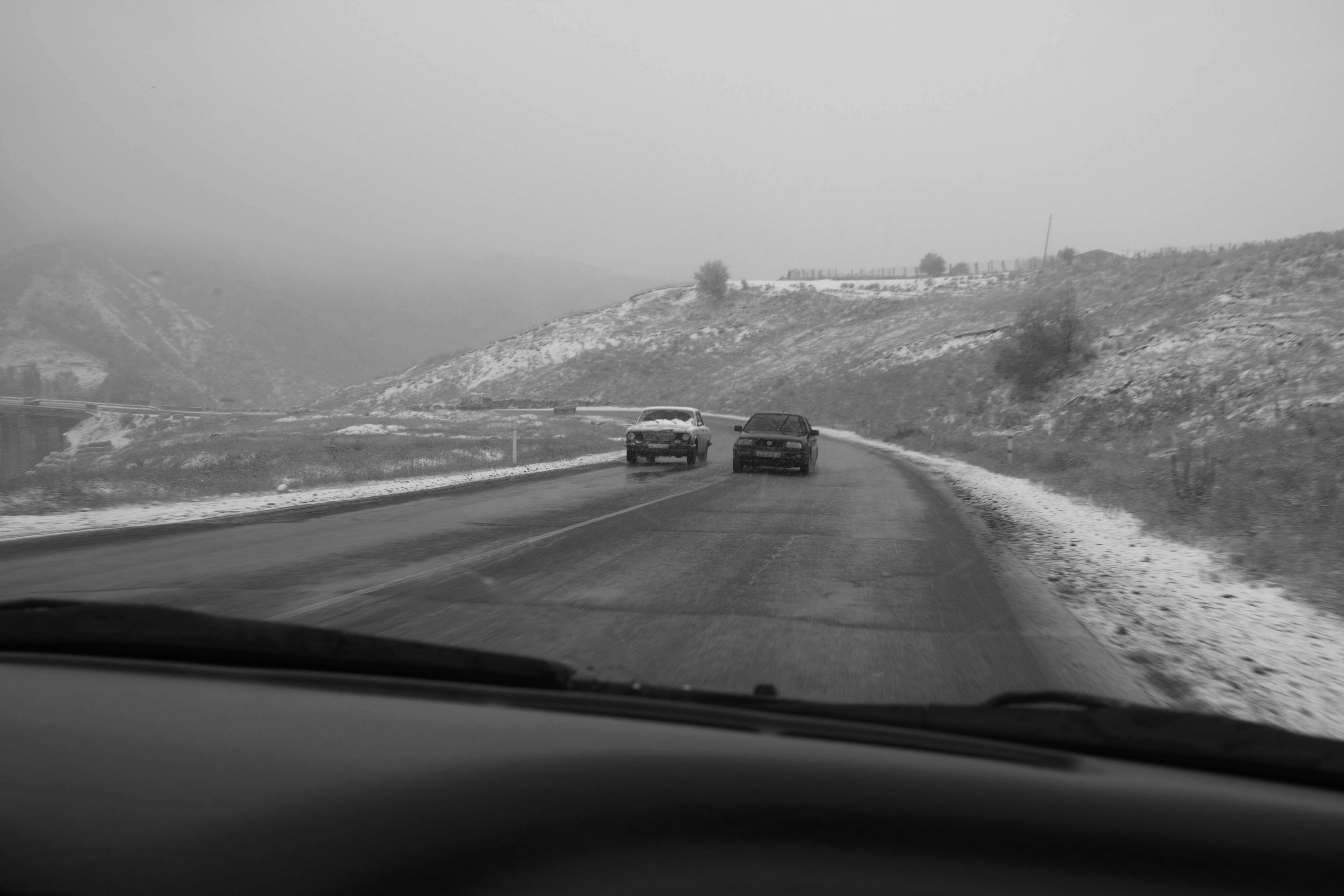
An Engagement Ring
2011A narrative series set in Wrocław in August 2011. Awarded 2nd prize & Silver Glass at the 10th Photographic Open Championship Olsztyn in 2014.
View Series →
Heat Wave
2014A documentary series recording spontaneous events across August and September 2014, capturing the raw energy of a city under the grip of summer.
View Series →