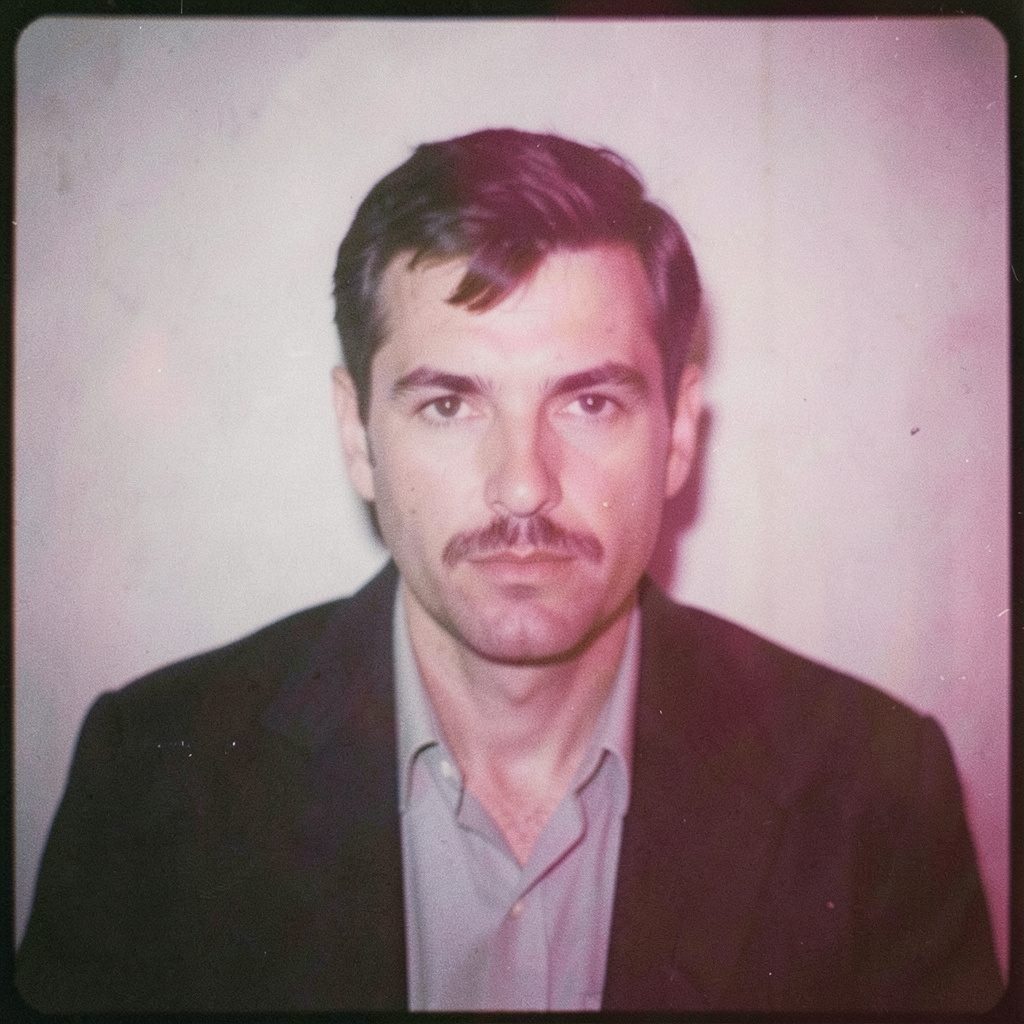
"Photography is not about the thing photographed. It is about how that thing looks photographed."
The contact sheet: learning from your misses
Photography usually preserves what looked successful, yet the frames that failed can be the most revealing part of a roll. A contact sheet places successes and failures side by side, turning isolated images into a sequence. It exposes relationships that a single polished photograph conceals: a glance held too long, a gesture that peaked between exposures, or a background shape that quietly pulled attention from the subject. For a photographer trained in medium-format film and the darkroom, this sheet is more than a selection device. It is a working map of decisions, accidents and visual rhythm.
The useful shift is to treat each rejected frame as evidence rather than an embarrassment. The camera may have missed the intended expression, but it may have caught a stronger relationship between bodies, a rhythm in the architecture or an unexpected distribution of light. Analogue and digital workflows can both support this practice, provided the proof is studied before images become detached from their order. Learning from misses depends on preserving context, noticing patterns and returning honestly to the evidence.
The sheet is a map, not a verdict
The contact sheet descends from the photographic proof: small, numbered images made from negatives so an entire roll could be judged in one view. Its value comes from compression. Details that dominate a full-size print become relationships, repetitions and gaps. A face may be tiny, yet its direction toward another face remains obvious. Exposure shifts across the roll become visible, as do changes in distance, gesture and framing.
Judging a single frame asks, “Is this picture complete?” Reading a sheet asks, “What did the whole encounter do?” That broader question catches the nearly successful expression, the frame that felt empty alone but opens a progression, or the technically clean image that breaks an otherwise powerful rhythm. Selection becomes an editorial act rather than a hunt for perfection.
Scale also changes the diagnosis. A full-screen crop can conceal the information a sheet reveals, such as a repeated horizon, a hand entering one edge and a background that crowds later frames. Viewing a roll at arm’s length encourages peripheral comparison, while a magnified scan supports close inspection. Used together, the overview and the detail reveal whether a problem belongs to one exposure or to the entire approach.
What the missed frames know
A miss can be technical: focus landed on an eyelash, the shutter caught a blink, highlights clipped, or movement blurred the subject. It can also be expressive: the brief was met in every formal portrait, while the strange half-laugh or distracted glance offers more life. Both deserve attention, but for different reasons. The first reveals a control problem; the second may reveal a missed direction in the work itself.
Brisbane’s humid air can slow film drying and make handling marks more likely, while fast summer storms can replace hard directional light within minutes. On an outdoor job, several rejected frames may show exactly when the weather changed. The same sheet can therefore diagnose exposure and reveal a missed opportunity to make a new frame under different light. Near Sydney Harbour, shifting reflections offer a comparable lesson: the image that looks imperfect may record the instant when a commercial portrait acquired movement and place.
Commercial pressure can make these distinctions especially useful. A technically sharp frame may fail the brief because the person looks guarded, while a slightly soft frame may preserve genuine rapport. Rather than forcing both into one hierarchy, record why each category matters: consistency for a corporate campaign, emotional openness for a fashion story, or clean geometry for an architectural series. The miss then becomes a precise question for the next assignment.
A practical marking system
In my Wrocław darkroom, I mark contact sheets with a chinagraph pencil or grease pencil, keeping the original frame numbers visible. The goal is not to produce a beautiful proof but to leave a legible trail of attention. Digital sheets benefit from the same discipline, even when the annotations live in a separate notes file.
- Circle the frame that holds the strongest expression, even if it is not sharp.
- Draw arrows between figures to reveal eye-lines, gestures and repeated shapes.
- Mark exposure, focus or movement failures in the margin with a short reason.
- Write the date, stock, lens and lighting condition along the sheet’s edge.
Those marks should distinguish a preference from a fault. “Weak background” describes a choice about emphasis; “focus on the foreground” describes something the camera actually did. Separating the two makes the sheet useful for craft. It also makes the archive more valuable years later because the note explains what was photographed and what the photographer was trying to see. Colour can separate observations from instructions, but consistency matters more than the chosen pencil or software.
Film, light, and the moving subject
Film compresses decisions into intervals that are easy to misread. A frame marked as missed may belong to a sequence of three exposures; the apparent awkwardness may be the pause before a more revealing gesture. Medium-format negatives offer enough latitude for this kind of comparison, yet latitude does not remove the need for judgement. The technical error and the expressive accident often occupy the same rectangle.
Light changes the grammar of the sheet. Melbourne’s narrow laneways produce abrupt bands of sun and shade, so a portrait can move from one emotional register to another as the subject crosses a doorway. Canberra’s crisp winter light can expose errors in background separation, while allowing subtle posture to register. A broader reflection on visual sequencing and perception is a useful parallel: meaning changes when an image is read beside its neighbours. The sheet teaches the photographer to notice the transition, not merely the destination.
Scanning changes the terms of comparison, though. A flatbed scan may flatten tonal depth or introduce its own artefacts, so evaluate the sheet and the negative before blaming the lens. A test print under controlled light restores density relationships that a screen can exaggerate. The most reliable review moves between digital overview, film proof and a careful print, allowing each method to correct the blind spots of the others.
Patterns that emerge across the sequence
Patterns become clearer when the sheet is read in runs rather than as individual rectangles. A sequence may begin with controlled poses, loosen through an interruption and end with a frame that finally feels inhabited. Another may reveal a lens-to-subject distance that was too intimate for the brief, or a lighting position that repeatedly creates a hand across the face.
- Repeated eye-lines can show where trust or tension is building.
- Clusters of blurred frames can identify a movement that was faster than the shutter.
- Alternating wide and close frames can reveal a change in emotional scale.
- One isolated frame may contradict the set and deserve a different sequence.
The pattern is a hypothesis, not an instruction. Keeping the outlier can be as valuable as discarding it, especially in a conceptual series where disruption is part of the structure. For business portraits, by contrast, consistency may be the point, and an expressive accident may simply show that the subject had not yet entered the visual register the client needed.
Compare consecutive sheets before drawing a firm conclusion about skill. A shift in client direction, weather or location may explain a cluster of errors. Keep those variables beside the frame numbers. When the same weakness appears under several conditions, the evidence becomes stronger; when it disappears after one specific change, that change becomes a practical part of the method.
Sharing misses without losing authority
A client does not need to see every discarded frame. An unedited contact sheet can look like an inability to decide, especially when technical failures are mixed with promising alternatives. The professional task is to organise the evidence: show the strongest image, explain a small group of viable variants and retain the remainder as a record of the shoot’s direction. Clear sequencing gives options meaning instead of turning them into clutter.
This discipline also affects how a photographic brand is presented. The same logic of selection, context and purposeful variation appears in The Business of Photography: Marketing Your Brand. For Australian freelance photographers, that matters in a market where direct-to-client work, small-business campaigns, GST invoices and negotiated usage rights often shape the commercial conversation. Melbourne hospitality and fashion clients may welcome an alternative frame; Sydney corporate and event briefs may require consistency first. A contact sheet can support either brief when the misses are used to clarify the intention rather than displayed as raw evidence.
The same organisation suits internal review. A short note can record the intended mood, the technical constraints, the frames that met the brief and the reasons for rejection. That note turns a personal preference into feedback another photographer could use, while protecting the client from an unedited visual diary.
Returning to the archive
The most instructive sheet is often one made months after the assignment, once the immediate emotional noise has gone. Set the original contact sheet beside the final edit and the camera notes. Which mistakes were isolated, and which recurred? Did the session improve when the subject moved, the light softened or the direction became more specific? This comparison turns anecdote into a clearer account of how work develops.
Archiving also protects the lesson. Keep the sheet, a scan of the marked version, the selected filenames and the final delivery in one folder, preserving the original numbering. For event and fashion work, include the sequence order, because a frame’s meaning may depend on what preceded it. Digital workflows make this easier to lose through renaming and relaying, while film makes it easy to misplace the small proof. A consistent archive turns each project into a benchmark rather than a disposable transaction.
Reviewing sheets seasonally can reveal slow development. Some misses belong to a particular phase or a crowded schedule; others recur because the approach remains untested. Annotations made in the moment become more valuable when revisited without the pressure of the deadline. Their small accumulations can define an artistic signature as clearly as the final portfolio.
Seen this way, a contact sheet is neither a trophy cabinet nor a wastepaper folder. It records where intention and accident met, where they missed one another, and what the eye learned in the distance between them.
Selected Series
A cross-section of commissioned and personal projects spanning fine art, commercial, and conceptual work.
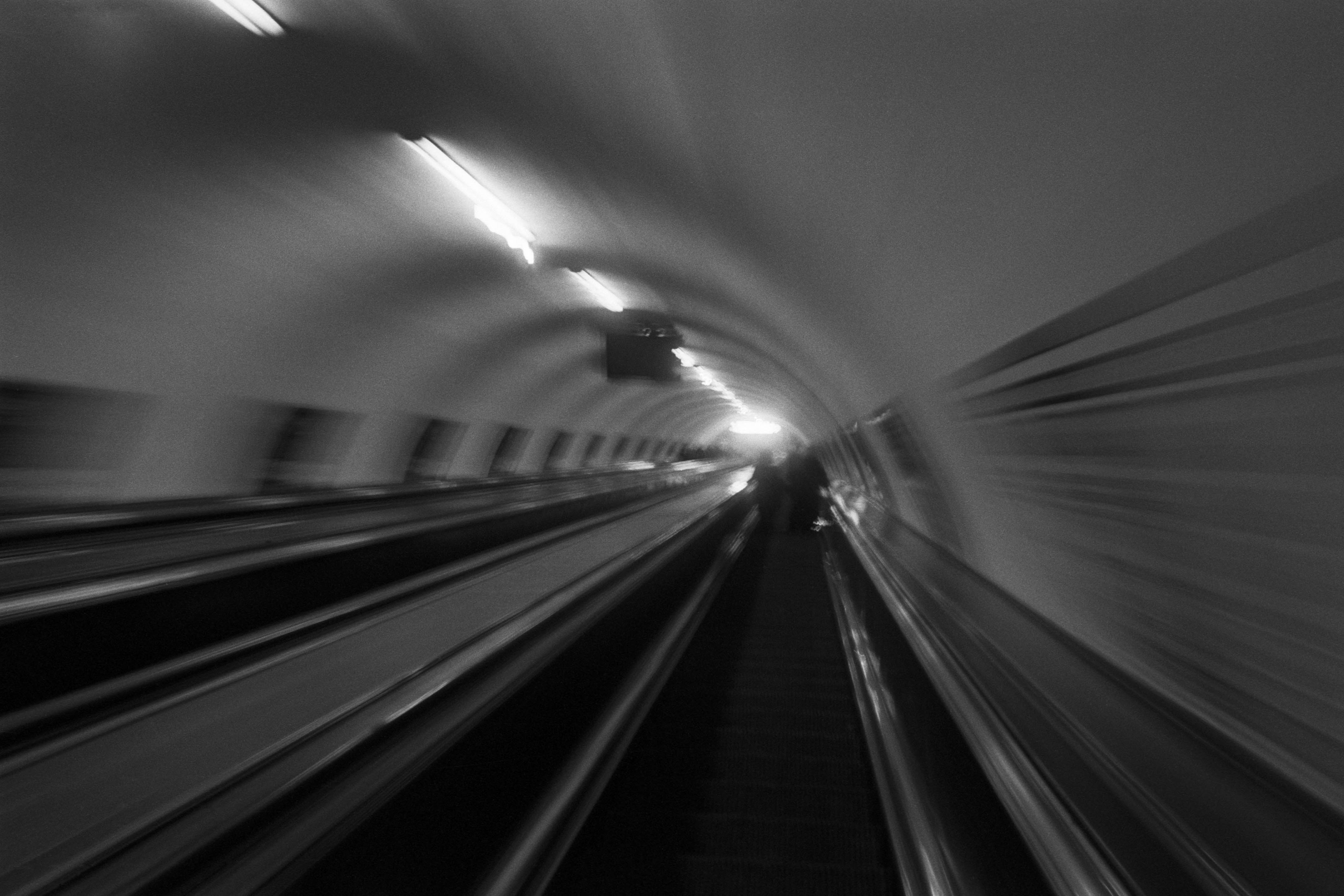
The Wall
2015Winner of the 1st prize & Golden Glass Award at the 11th Photographic Open Championship Olsztyn, and 1st place with the Special Prize of FORMAT magazine at the 3rd Biennial of Art in Piotrków Trybunalski.
View Series →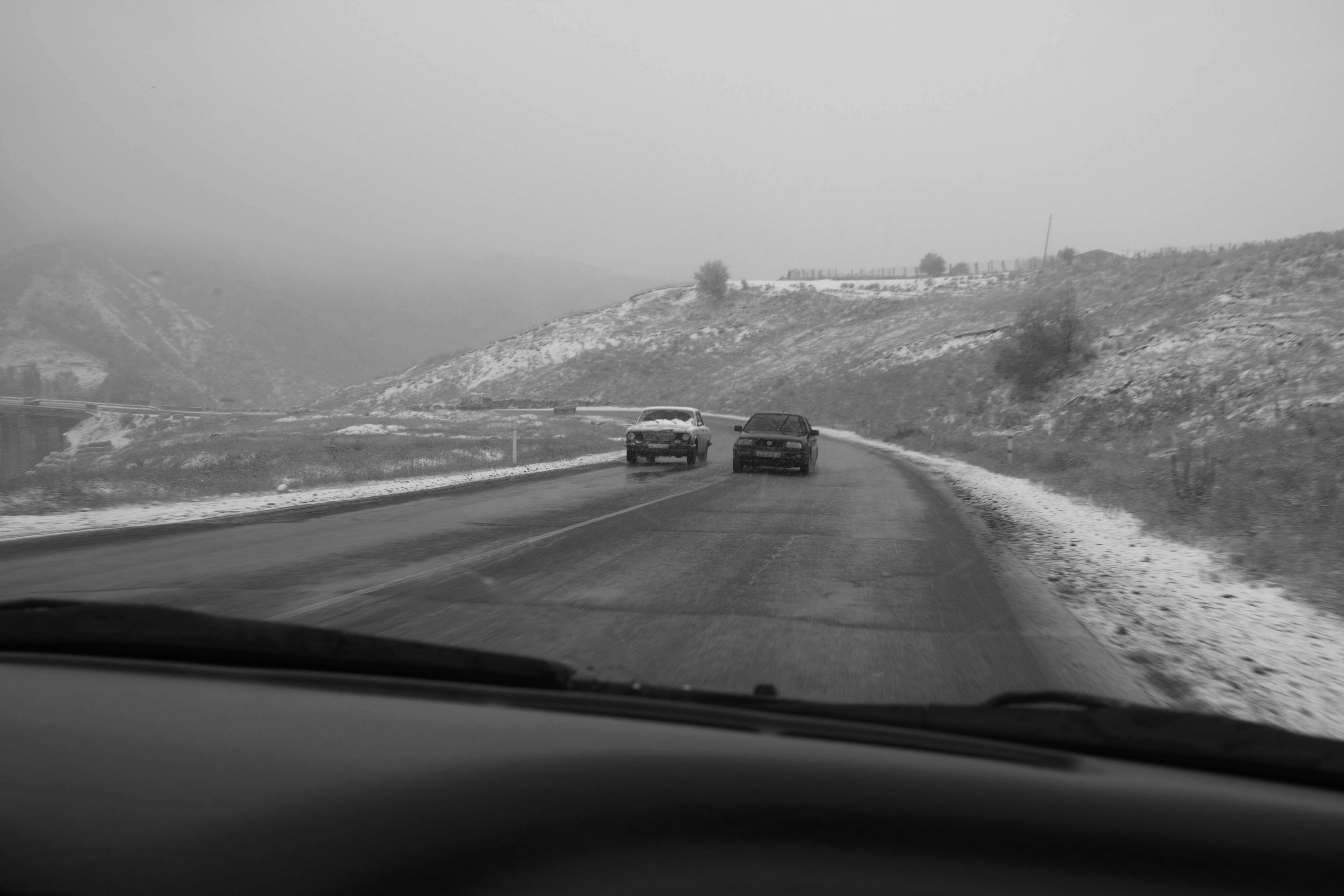
An Engagement Ring
2011A narrative series set in Wrocław in August 2011. Awarded 2nd prize & Silver Glass at the 10th Photographic Open Championship Olsztyn in 2014.
View Series →
Heat Wave
2014A documentary series recording spontaneous events across August and September 2014, capturing the raw energy of a city under the grip of summer.
View Series →