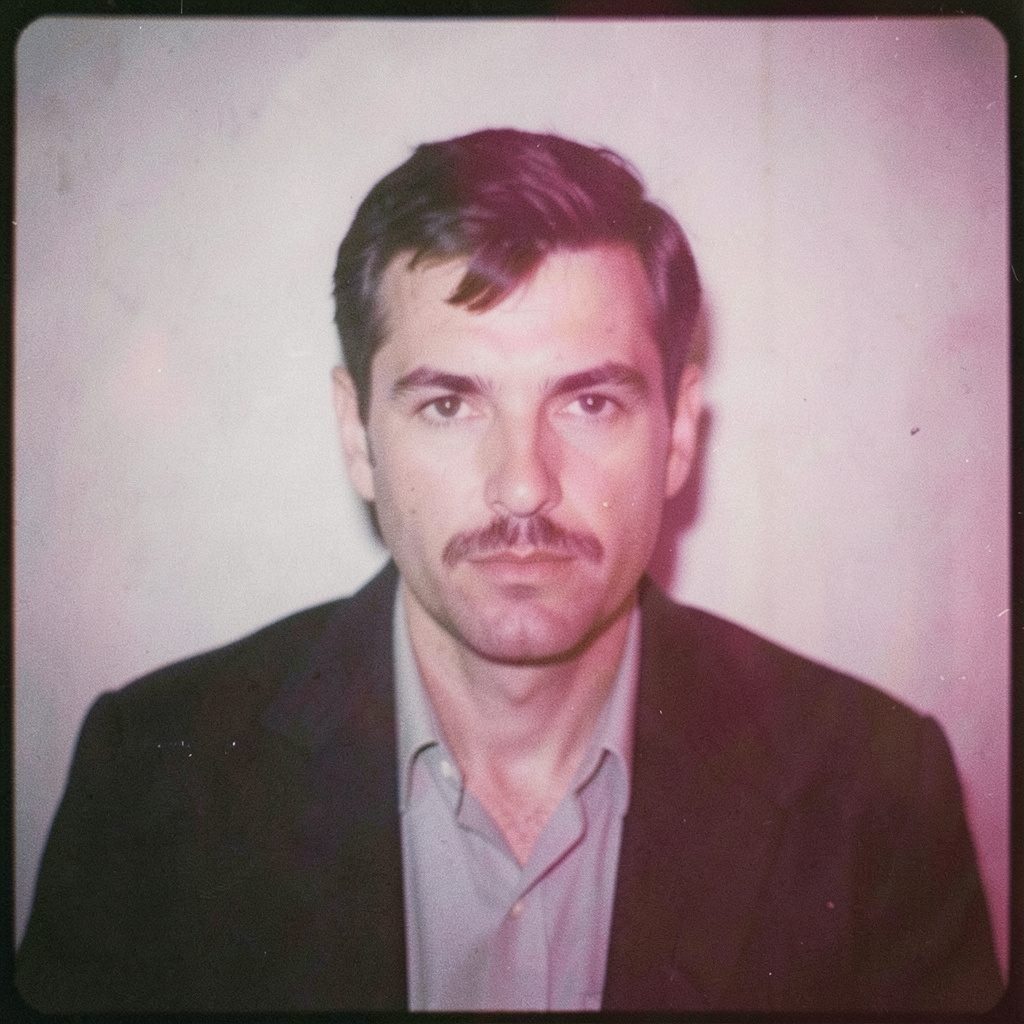
"Photography is not about the thing photographed. It is about how that thing looks photographed."
Double exposure: in camera and in post-processing
A double exposure places two photographs within the same frame. One subject may appear beside another, a moving figure may become translucent, or a landscape may overlap a portrait. The result can suggest memory, movement, or a fragile relationship between identity and place. It is an old photographic device, familiar to practitioners of medium-format film, yet digital tools have made its visual language immediate and highly controllable.
That immediacy has not removed the craft behind the effect. Choosing where the two images meet still requires decisions about light, shape, focus and tonal contrast. A convincing superimposed image does not simply display two pictures at once; it creates a third meaning from their interaction. The approach suits conceptual fine-art photography as readily as it supports atmospheric commercial work, particularly when the goal is to unsettle a familiar subject rather than merely decorate it.
The central distinction concerns process. An in-camera double exposure combines images as the exposure is made, with the film or sensor recording both layers. Post-processing combines them later through editing software or, in a traditional darkroom, by printing more than one negative together. The finished picture may look similar, yet the artist retains different degrees of freedom, contingency and control in each route. A clear comparison begins with how those two exposures are created.
What a double exposure actually changes
The term can describe a physical method as well as a visual effect. A camera with a multiple-exposure setting can take two frames before advancing the film or saving the next digital file. Alternatively, a photographer can leave the shutter open, introduce one subject, then another. Placing a transparency over a second transparency before enlargement produces a related result, although that layered print is made after the original exposures.
Contrast decides whether those layers can coexist. Bright areas of one image can wrap around dark areas of another, while a face may remain legible against a softer field. Focus also guides attention: one layer can be sharp enough to anchor the composition as a second dissolves into motion blur. A useful double exposure therefore needs an underlying hierarchy. Without it, the frame becomes an accumulation of interesting shapes with no clear visual centre.
The emotional effect depends on what the layers share. Two portraits can imply intimacy, instability or a passage of time; a landscape and a figure can make the person feel embedded in the environment. A recurring hand, gesture or silhouette can connect otherwise unrelated scenes. In conceptual series, repetition creates meaning across separate photographs. In commercial work, the same device may communicate energy, fashion or transformation while keeping the intended subject immediately recognisable.
Creating the effect in camera
During an in-camera multiple exposure, the camera normally remains fixed while the subject or light changes. The first exposure establishes a tonal foundation; the second adds another shape, highlight or movement. Some photographers use this to merge a still model with a walking figure, leaving a ghost trail within a single frame. The method rewards rehearsal because the placement of a body, reflection or beam of light cannot be moved after the shutter closes.
Film makes the process materially different from a software composite. Exposure errors, light leaks and uneven illumination become part of the negative, and medium-format grain records the meeting of light on the emulsion. Black-and-white film can simplify the result into highlights, middle greys and shadow, allowing the two exposures to merge without competing colour information. The outcome may be less predictable than a layered digital file, but it often carries a surface and tonal specificity that a clean screen blend cannot imitate.
Darkroom printing extends that process. An internegative or two transparencies can be printed together, then selectively burned or dodged to strengthen one layer and suppress another. Such control is powerful, yet it arrives after the image has already been fixed. The in-camera route preserves a direct connection between the photographed event and the final negative; the darkroom route treats that event as raw material for a new construction.
Composing the effect after the shoot
Digital post-processing changes the order of operations. A portrait can be masked into the highlights of a landscape, while a second scene is blended through a selected tone range. Opacity and soft brushes make the transition between them adjustable, and high-resolution source files allow the composite to be enlarged with confidence. The photographer can test an idea on a laptop before committing to expensive film stock, a location or a particular model.
That control is especially valuable in commercial assignments. A campaign may require the same model to appear in several environments, or a product shot to be integrated with a designed background. Building those layers in software can shorten production and keep colours, crops and approved alternatives consistent. It also permits changes when a client selects a different composition, which matters in a competitive local market where campaigns often move through several rounds of internal review.
Greater control does not make one method artistically superior. A double exposure made in camera can be deliberate, while a software composite can feel spontaneous after careful masking and selection. The relevant questions are whether the layers support the intended idea and whether the process fits the finished context. For documentary or advertising work, transparency about significant manipulation may matter; for an intentionally fictional portrait, preserving the believability of the final image may matter more.
Film, light and tactile character
Light remains the deciding factor in either workflow. If one exposure is several stops brighter than the other, the darker layer may vanish into the highlights or disappear beneath dense shadow. For skin tones, the relationship between the face and the second exposure needs particular care; for glass, metal or water, reflections can conceal one layer even when the overall frame appears balanced. Checking a histogram or density readings is useful, but the printed or screen image is the final test.
Analogue photography gives the photographer a vocabulary of imperfections that are difficult to reproduce convincingly. Irregular grain, a faint flare, softened edges and subtle halation around bright highlights can make a composite feel photographed rather than assembled. Medium-format negatives preserve detail in a way that also helps editors rebuild tonal transitions, yet software cannot recover information that was never recorded. This is why the choice of camera, film and exposure time should come before the editing decision.
A double exposure also benefits from the same principle found in lettering on ceramics: an added layer can clarify the surface beneath it, but only when the two remain in conversation. A painter who allows the glaze or clay to show through a letter creates depth; a photographer can use a passing shadow, veil of mist or second figure to do something comparable. The goal is not maximum complexity. It is a relationship in which every visible element has a reason to remain.
Planning the location and the moving subject
Location is never just a backdrop for this technique. It must supply shapes that will accept a second image, negative space that keeps the composite readable, and light that changes in a useful way. For a shoot anchored to a particular place, Rafal Michalak’s guide to scouting a location offers a practical reminder to assess light, access, surfaces and backgrounds before the camera arrives. A layered image magnifies the smallest weakness in those preparations.
Australian locations offer useful contrasts. On Sydney Harbour, a ferry crossing can add a translucent passenger to a stable view of the water and shoreline, while city lights begin to register as small highlights. Melbourne’s changeable weather and narrow laneways create another kind of opportunity: a tram crossing painted brick, or a pedestrian dissolving beneath a sharp patch of sunlight. In each case, the camera should stay still while the scene supplies movement. Local light, architecture and daily commuting become compositional partners rather than incidental context.
People and privacy require equal attention. Being photographed in public does not grant unlimited permission to publish an image. Australian privacy torts may become relevant where private information or circumstances are exposed and then misused, while consumer and advertising rules can govern the campaign itself. For fashion, event and business portrait commissions, written model releases are sensible practice, especially when the concept implies a personal relationship or an invented event. The permission should match the intended use rather than being treated as blanket consent.
An aerial version needs the same discipline, plus compliance with CASA rules. Those requirements cover separation from people, aircraft and controlled airspace, so a flight around a city or over a crowded beach cannot be treated as a casual camera move. Blending several drone frames may produce an extraordinary translucent cityscape, but the legality and safety of the flight are settled before the aesthetic experiment begins. Creative flight plans still begin with permission, weather and a clear reason to leave the ground.
Matching the method to the brief
Selecting a workflow should begin with the photograph’s purpose, not the novelty of the effect. A business portrait usually needs clarity, trust and a recognisable face; a fashion image may gain energy from a second pose or environmental reflection; a conceptual series may depend on ambiguity. If the brief calls for a clean, repeatable deliverable, a digital composite often provides efficient control. If the aim is an object whose physical process remains visible, an analogue method may offer the stronger artistic argument.
Commercial terms deserve the same precision as the visual concept. In Australia, the Australian Consumer Law can apply to commissioned photography sold to consumers, making clear descriptions, promised delivery and fitness for a stated purpose relevant. A written agreement should identify the final number of images, resolution, colour space, printing options and permitted uses. It should also separate the fee for the shoot from charges for additional concepts, extensive retouching, extended licensing or new usage. These details protect both the photographer and the client when a brief changes.
Finally, the finished file should be treated as the beginning of a record rather than the end of one. Keeping the original negatives, layered working files, colour profiles and a short recipe for each composite makes future enlargement or campaign reuse more dependable. A test print can reveal details that disappear on a bright screen. In a portfolio that moves between fine art, portraiture and fashion, that archive allows the image to evolve without losing the decisions that made it work.
Selected Series
A cross-section of commissioned and personal projects spanning fine art, commercial, and conceptual work.
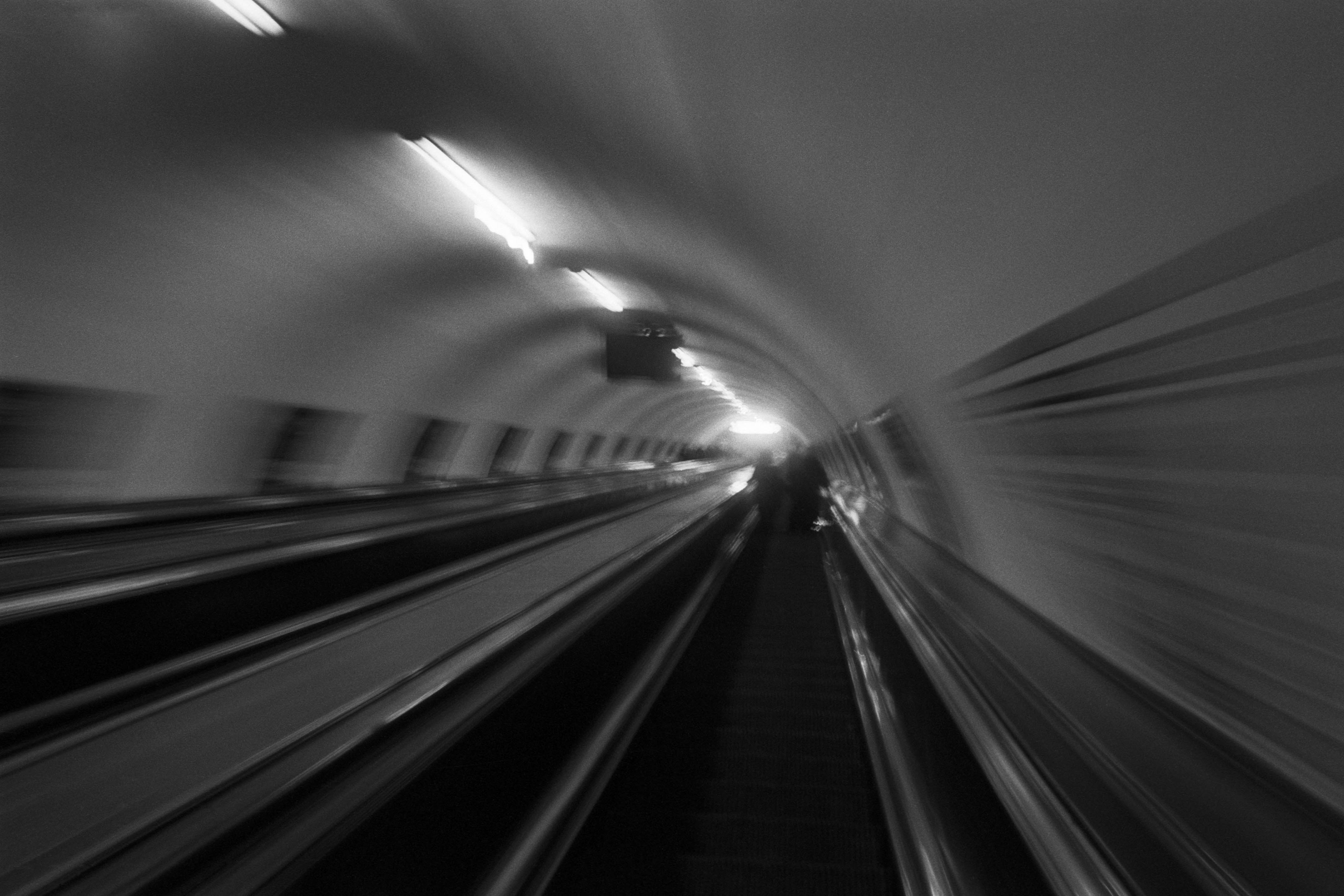
The Wall
2015Winner of the 1st prize & Golden Glass Award at the 11th Photographic Open Championship Olsztyn, and 1st place with the Special Prize of FORMAT magazine at the 3rd Biennial of Art in Piotrków Trybunalski.
View Series →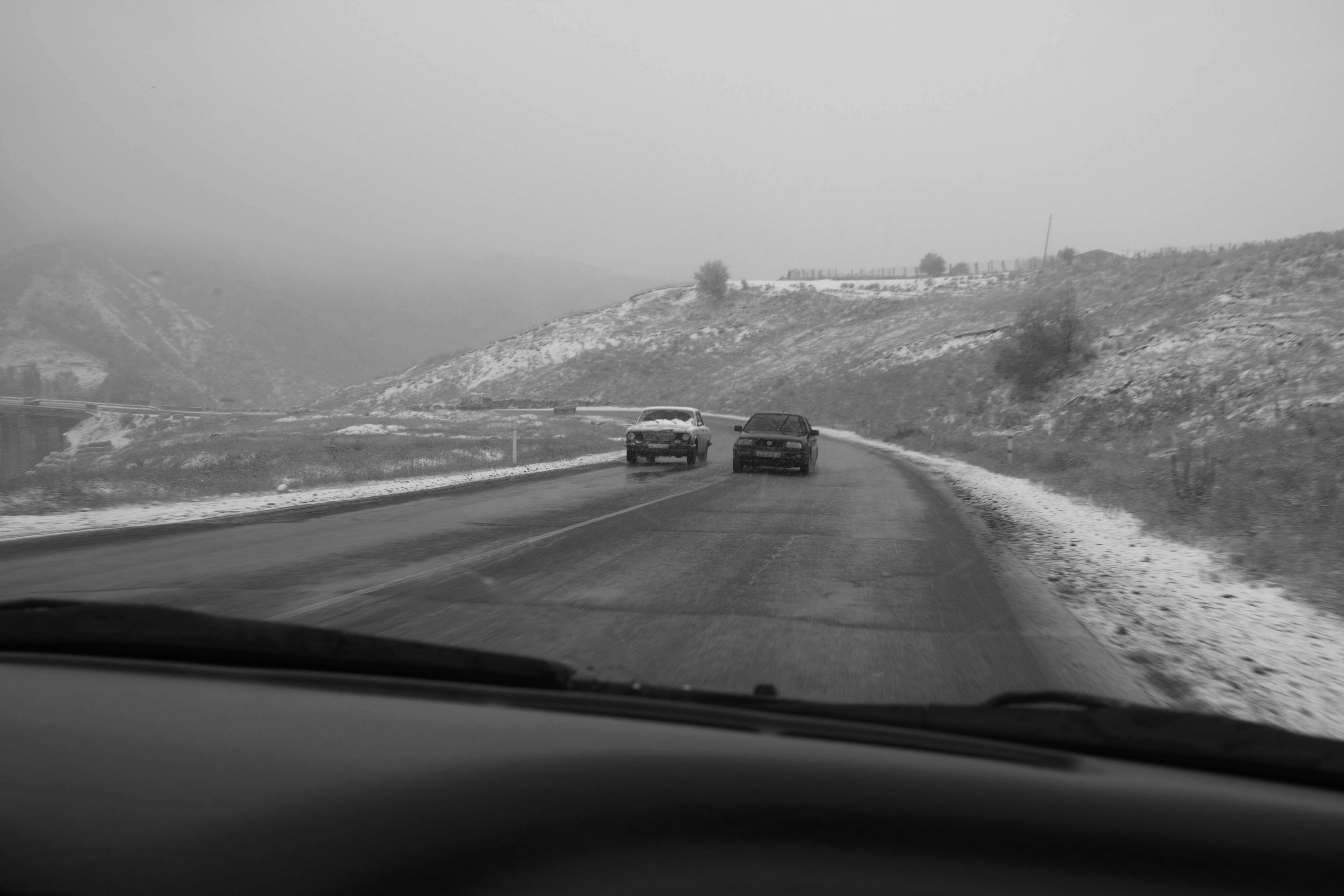
An Engagement Ring
2011A narrative series set in Wrocław in August 2011. Awarded 2nd prize & Silver Glass at the 10th Photographic Open Championship Olsztyn in 2014.
View Series →
Heat Wave
2014A documentary series recording spontaneous events across August and September 2014, capturing the raw energy of a city under the grip of summer.
View Series →