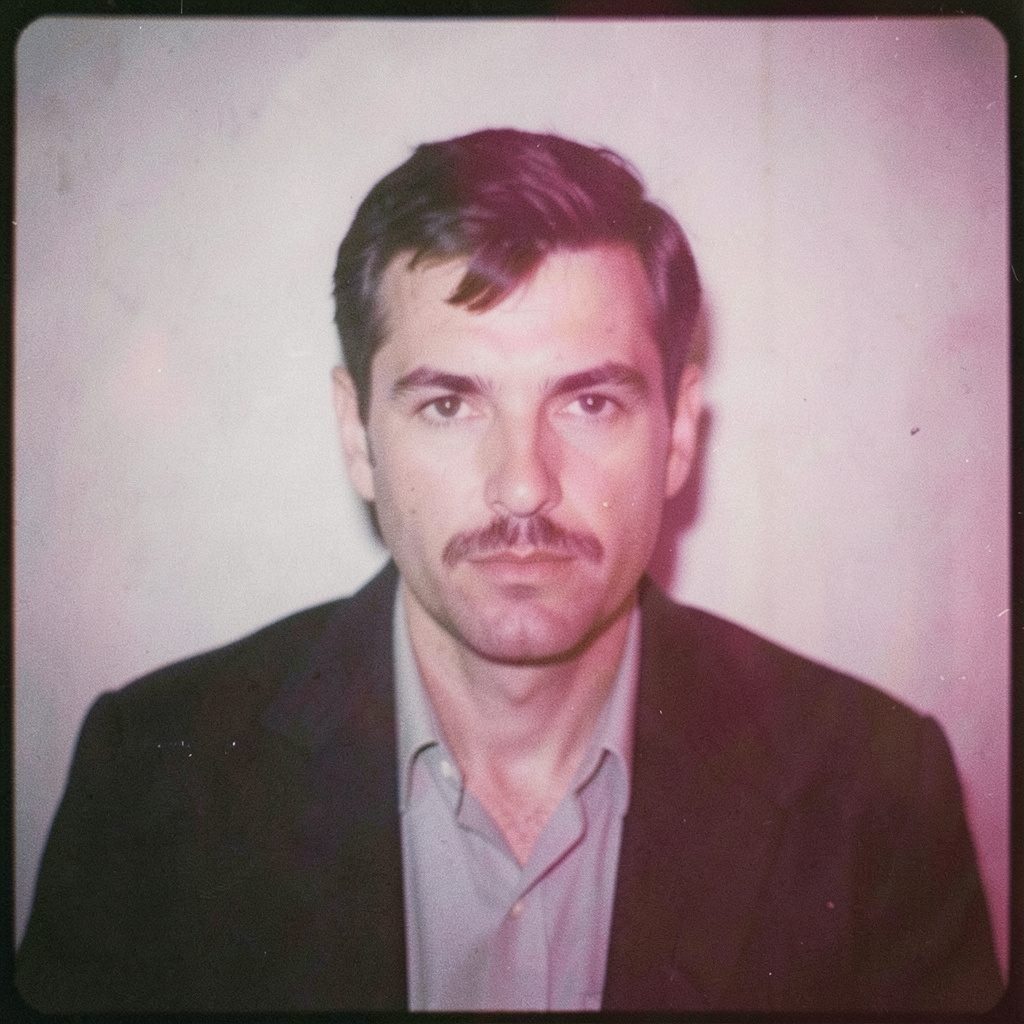
"Photography is not about the thing photographed. It is about how that thing looks photographed."
The art of the group portrait: arranging multiple subjects
A group portrait begins long before anyone enters the frame. The photographer must decide who belongs in the picture, how each person should relate to the others, and what emotional tone the finished image should carry. A successful arrangement balances clarity with spontaneity, making a crowded scene feel deliberate without looking mechanically posed. That balance matters in business portraits, fashion images, event photography, and conceptual series where relationships often matter more than individual perfection.
Rafal Michalak’s Wrocław-based practice draws on medium-format and black-and-white film, darkroom thinking, and digital workflows. The same principles guide both polished client commissions and more atmospheric photographic narratives. Group work is especially revealing because the photographer must shape many bodies at once while preserving the character of each subject. The result should feel natural to the people in it, even when every position, gesture, and interval of negative space has been carefully resolved.
Finding the visual purpose
The first decision is not where to place people but what the photograph is trying to say. A leadership team may require a formal image with clear hierarchy, while a creative team might prefer warmth and informality. A family-style group may need visual intimacy, and a conceptual series may use distance or asymmetry to create tension. Define the purpose in one sentence before arranging anyone. This gives the photographer a compositional standard and gives subjects a shared reason for their presence, reducing the vague feeling that they have simply been lined up for a camera.
Before the session, gather the final headcount, roles, height information, wardrobe notes, and the image’s intended use. Unequal numbers, late arrivals, and changes in the brief can alter the arrangement, so the plan should remain flexible. Rafal Michalak’s reflections on balancing client vision with creative direction offer a valuable reminder: honoring the client’s aims does not mean surrendering control of tone, lighting, or posture. The photographer should explain how each choice serves the brief and invite precise feedback where it affects the outcome.
Building a composition that guides the eye
A useful composition gives the eye a clear route through the group. Stagger rows instead of placing every face on one horizontal line, then vary head height by a few centimetres. Triangular groupings create stability, while a slight opening in the centre can make a large team feel less compressed. Look for accidental tangencies: shoulders touching, heads merging with the background, or an elbow disappearing behind another body. Small shifts often solve these visual collisions without making the subjects appear restless or disordered.
Symmetry suits many corporate portraits because it communicates order and institutional confidence, yet it need not feel severe. Seat or stand people at equal heights, align shoulders carefully, and keep small variations in expression so the image avoids a rigid identification-photo effect. For fashion and conceptual work, asymmetry can be more expressive. One figure may anchor the frame while others form a diagonal or cluster. The rule is intentional variation: every departure from balance should clarify the story rather than introduce random disorder.
Depth gives a group room to breathe. Ask some subjects to stand slightly forward, place others between them, and reserve the rear layer for people who still need to be legible. Negative space can isolate a central figure or signal exclusion; it can also keep an oversized group from filling every edge of the image. Props such as chairs, steps, tables, or architectural ledges can create height differences, but each object should support the composition. Remove or reposition anything that attracts attention without contributing to the group’s visual relationship.
Directing bodies, faces, and relationships
Directing a group requires exact, humane instructions. Say “turn your shoulders a little toward me” rather than asking everyone to “look natural,” and explain which foot should remain forward when it affects the line of the body. Watch the angle of chins, hands, and eye lines; these small details often separate a polished portrait from an awkward gathering. Give the group one action at a time so subjects can concentrate, then repeat it after a brief rest or tonal adjustment.
A useful expression is built in stages, not extracted through repeated calls for bigger smiles. Begin with composed attention, then introduce a specific trigger: a memory, a shared joke, or a quiet prompt directed at one person. Let the laughter travel through the group and catch it at its natural peak. For portraits that require calm authority, ask subjects to lower their shoulders, breathe out, and hold a neutral gaze. These instructions produce a shared mood while allowing different personalities to remain visible.
Relationships need to be visible. In a team portrait, avoid scattering colleagues who work closely; place them near enough for subtle interaction to register. Conversely, formal distance can reinforce a hierarchy. In event groups, identify the people who connect the gathering, whether that means the hosts, speakers, family members, or collaborators. A photographer should notice who naturally leans toward whom and use that behaviour as information. Directing should refine the relationship already present, not impose a false intimacy on people who are merely sharing a room.
Controlling light, wardrobe, and setting
Light determines how much of that arrangement the camera will actually see. Large windows and open shade produce soft modelling, while hard Australian daylight can carve out sockets and create dazzling highlights. With medium-format film and digital capture, expose for the faces and preserve detail in skin, hair, and clothing. Working from a darkroom mindset helps: inspect highlights, check shadow density, and control contrast rather than rescuing every problem in software. Reflectors and careful repositioning are often cleaner than adding heavy processing later.
Wardrobe should be considered as a group design. A restrained palette prevents clothing from competing with faces, while small variations in texture keep the image from feeling uniform. Dark jackets, pale shirts, patterned fabrics, and bright accessories each alter how a person reads against the background and beside one another. Watch for logos, reflective surfaces, and strong colour casts under mixed lighting. For commercial portraits, the clothing must still represent the client’s brand; for fashion or fine-art work, it becomes part of the image’s visual grammar.
The setting should do more than identify a location. In a business portrait, a library, concrete stair, or glass-walled studio can imply values through texture and geometry. For conceptual series, an unexpected room may reveal tension between the people and their environment. Clear sightlines matter especially when the group is large: each face needs separation from the person or object behind it. Before everyone enters, walk the camera position and test the background at lens height. If the background is visually active, simplify the arrangement rather than asking the group to fight it.
Adapting sessions to Australian realities
Australian commissions place the group portrait within distinctive light, weather, architecture, and working customs. Sydney offices often combine glass, harbour outlooks, and bright coastal daylight that can shift within minutes. Melbourne’s compact laneways and changeable skies offer atmospheric depth but demand careful exposure and weather contingencies. Canberra provides civic and institutional architecture with open sightlines and low winter sun. These are practical conditions, not visual stereotypes; they give the photographer problems that can shape a distinctly Australian portrait rather than merely decorate it.
The local event calendar also affects planning. December brings summer heat, outdoor gatherings, weddings, and corporate celebrations, so shade, hydration, and backup indoor space belong in the production plan. At formal occasions, an Acknowledgement of Country may be part of the event protocol, but it should be treated as a spoken cultural practice rather than turned into a staged photographic device. Australian business culture can be relaxed without being casual: creative teams may wear smart casual clothing, while legal, financial, or ceremonial groups may choose conventional suits. The group’s own context should guide the wardrobe.
Commercially, the market values direct communication, punctual delivery, and adaptable service. Clients often need images for annual reports, recruitment, campaigns, investor communications, or internal use, and they may circulate them across several offices. Establish approval roles, usage rights, retouching boundaries, and delivery specifications before the shoot. For teams spread between metropolitan centres and regional branches, consistent instructions become essential. A remote briefing with each department can identify missing colleagues and visual inconsistencies early. In Australia’s dispersed market, such preparation reduces the risk of a costly reshoot and keeps the photographer’s attention on the people in front of the camera.
A rehearsable workflow for portrait sessions
A group portrait becomes manageable when preparation, direction, and technical control share one plan. The sequence below suits business, event, fashion, and fine-art sessions, from the first brief through final capture.
The order can change with the brief, but the principle stays constant: solve structural problems before asking people to hold an expression or a pose. Work in short, clearly explained stages, and preserve enough time for genuine adjustments.
- Define the image’s purpose, audience, mood, and required format in a concise brief shared with every participant before the session.
- Confirm the final names, roles, heights, clothing choices, accessibility needs, and any known conflicts between people who should appear together.
- Scout the location and camera position, checking background intersections, directional light, reflections, shade, and the space required for each group formation.
- Make a simple floor plan showing standing, seated, and elevated positions so assistants can move people quickly without waiting for individual instructions.
- Direct posture and spacing first, then faces and expressions, since repositioning the body usually changes the angle, gaze, and emotional effect of the entire frame.
- Photograph a wide test frame and several close views of the central figures to verify that faces read clearly and no important detail is hidden behind another subject.
- Review sharp representative frames during the session, checking closed eyes, awkward hands, unwanted gaps, and distracting colour or tonal differences before releasing the group.
The finished group image should reveal both collective character and individual presence. Every position, line of sight, and controlled burst of expression contributes to that balance, giving the photograph a sense of unity without erasing the people who make it.
Selected Series
A cross-section of commissioned and personal projects spanning fine art, commercial, and conceptual work.
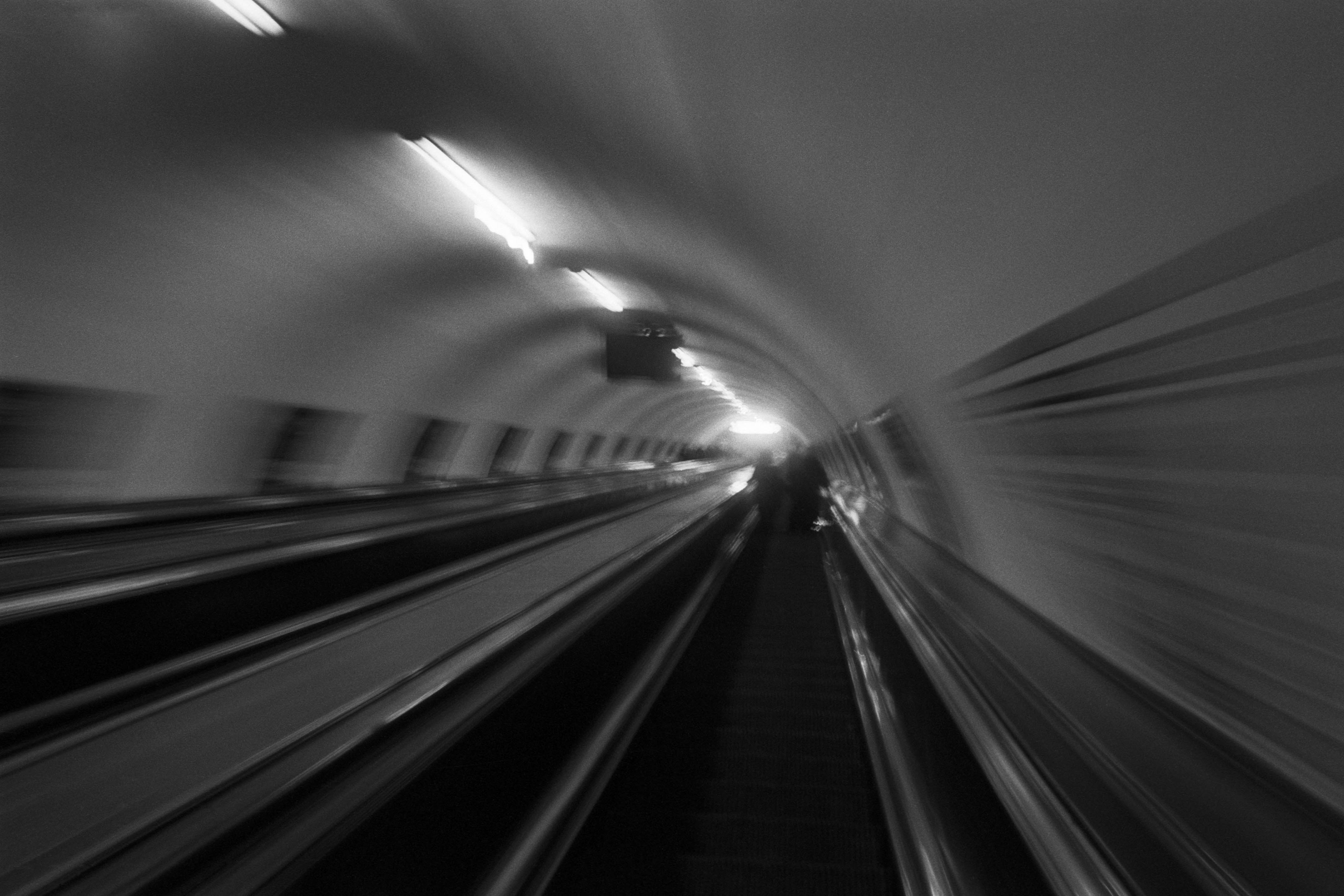
The Wall
2015Winner of the 1st prize & Golden Glass Award at the 11th Photographic Open Championship Olsztyn, and 1st place with the Special Prize of FORMAT magazine at the 3rd Biennial of Art in Piotrków Trybunalski.
View Series →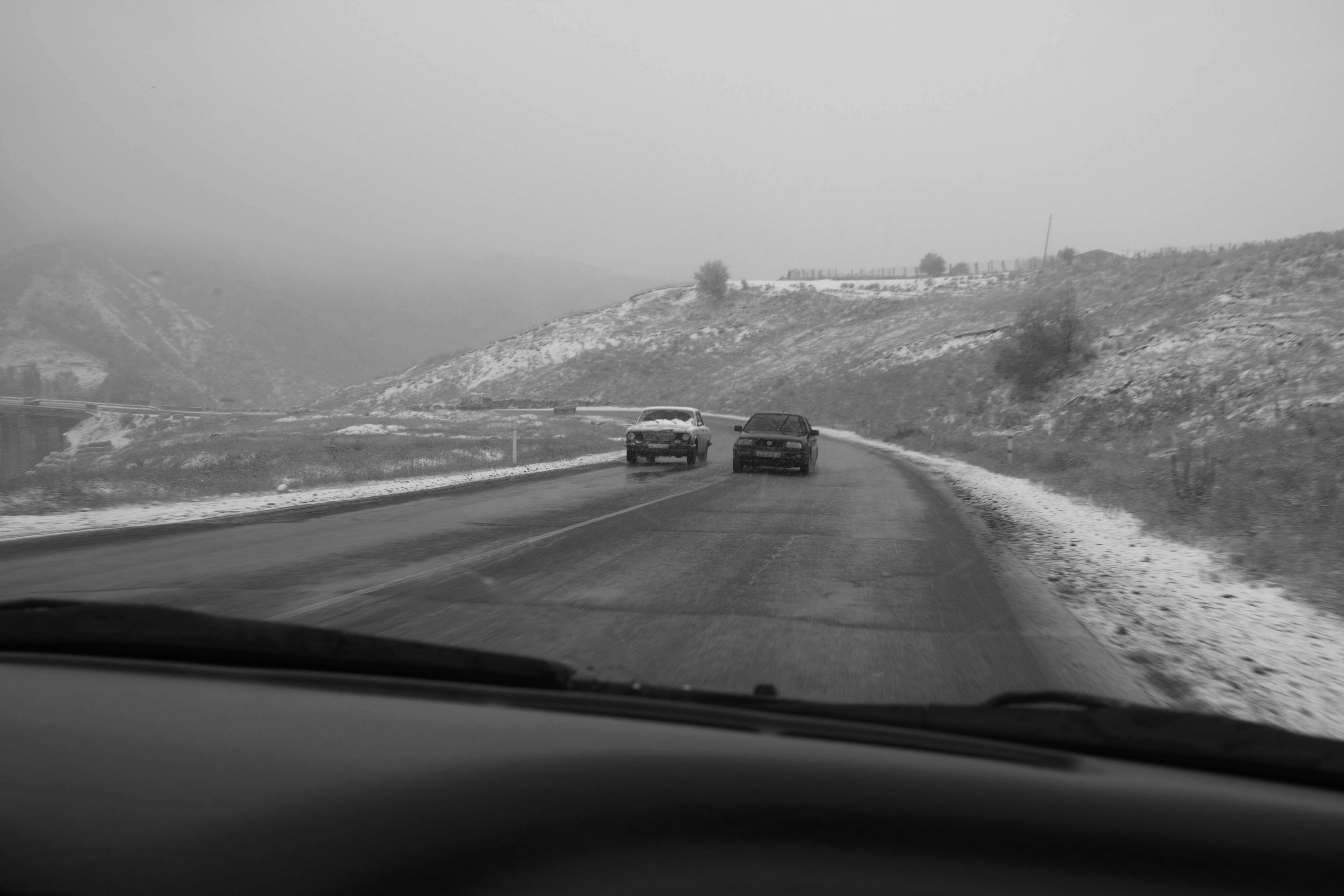
An Engagement Ring
2011A narrative series set in Wrocław in August 2011. Awarded 2nd prize & Silver Glass at the 10th Photographic Open Championship Olsztyn in 2014.
View Series →
Heat Wave
2014A documentary series recording spontaneous events across August and September 2014, capturing the raw energy of a city under the grip of summer.
View Series →