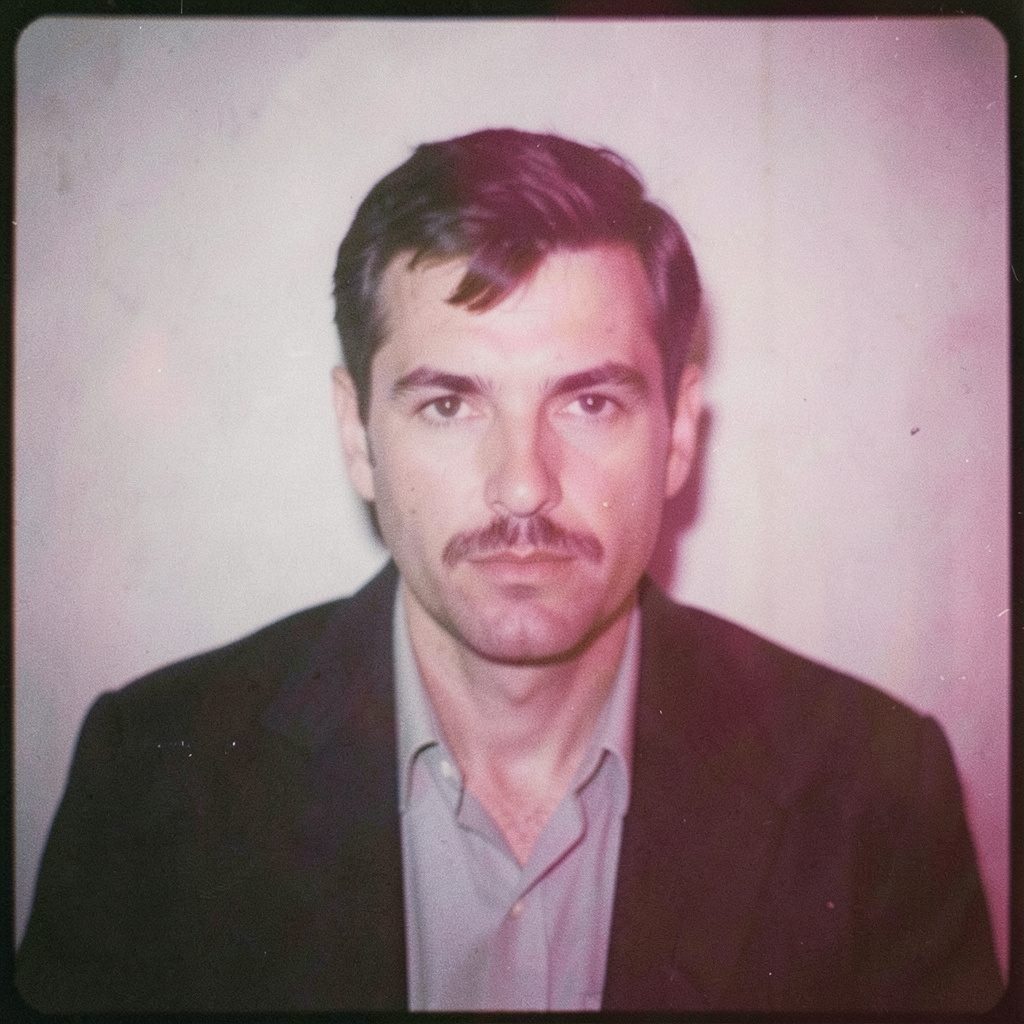
"Photography is not about the thing photographed. It is about how that thing looks photographed."
Low-key portraiture and the power of shadow
Low-key portraiture treats darkness as an active part of the image rather than an absence of information. The emotional impact of low-key lighting in portraits comes from the way it isolates a face, a gesture or a single reflective surface, allowing the viewer to notice feeling before detail. Deep tonal values can suggest mystery, concentration and private thought. They also create space for the sitter, whose expression becomes more important than the environment around them.
In low-key photography, shadow shapes the story as decisively as light. A softly modelled cheek can feel intimate; a sharply divided face can imply tension; a face emerging from darkness can suggest resilience. The technique rewards subtlety because the viewer completes what is partly concealed. That incompleteness can make a portrait feel personal and psychologically rich, especially when the lighting is connected to the sitter’s character rather than applied as a fashionable preset.
For award-winning photographer Rafal Michalak, this approach sits between fine-art image-making and professional portraiture. Based in Wrocław, he works across business portraits, fashion, events and conceptual photographic series, carrying an analogue sensibility into contemporary commissions. Medium-format cameras, black-and-white film and darkroom habits inform his attention to tone, while digital workflows give him the precision needed for commercial delivery.
Australian clients bring a particular visual context to this work. Harsh midday sun, deep shade and reflective glass are familiar features of Australian cities. A controlled studio portrait can therefore feel especially deliberate: it replaces environmental glare with a softer, more intentional form of attention. The result can be polished and cinematic while retaining the honesty of a person photographed in a quiet, concentrated moment.
Shadow as a vessel of emotion
Chiaroscuro, the meeting of light and dark, gives a portrait its emotional voltage. In a low-key treatment, the brightest area may be a cheekbone, an eye or the edge of a hand, while everything else recedes. That visual priority makes the portrait feel selective. The viewer senses that the photographer has chosen what matters and allowed the rest to remain unresolved.
Shadows also alter how authority is read. If the key light falls across the face with clear structure, the sitter can appear assured and composed. If it slips away and the expression carries the frame, the same person may seem contemplative or vulnerable. Neither effect is automatically flattering or severe; context, posture and styling decide whether the mood feels dignified, distant or dramatic.
Portraits made outdoors in Australia show why this distinction matters. The country’s high sun can create hard edges around the nose, dark eye sockets and clipped highlights on the forehead. Moving into shade may restore detail, yet the contrast can remain severe. A photographer can use that native hardness as a reference, then soften and redirect it in the studio to retain graphic strength without making a business portrait look punitive.
Shaping light around the sitter
Controlling low-key light starts with the relationship between the key and the shadow, not with an arbitrary darkness setting. A single main source can be placed above or to the side of the sitter, then allowed to fall across the face. Its quality matters: a larger source creates a more gradual transition, while a smaller source produces defined edges. Distance, diffusion and angle together create the falloff that gives a portrait its mood.
Negative fill is equally important. Black flags, dark walls or simply keeping the opposite side of the face away from stray light deepen the shadows and make the lit area appear more luminous. Without this control, low-key light becomes muddy rather than expressive. A small catchlight can preserve life in the eyes, but it should serve the expression. The brightest glint is not always the most emotionally convincing one.
The face still needs a place to rest. Rembrandt-style modelling, a narrow band of light or an illuminated section of hair can guide the eye without flattening the sitter. Wrinkles, freckles and skin texture should remain readable where they communicate character, yet broad black areas should be inspected at print and screen size. The emotional effect survives when the shadows have shape and the highlights retain detail, rather than when darkness is used to conceal unfinished lighting.
Business portraits with quiet authority
Business portraits live with a useful tension: they must communicate confidence and competence without turning every sitter into the same polished template. Low-key lighting can provide authority because the image feels deliberate, concentrated and visually distinct. Used sensitively, it gives a professional presence quiet depth. The sitter appears capable of occupying space, yet the portrait remains human because the eye is usually given more tonal information than the clothing or background.
Australian workplaces often value an approachable kind of polish, particularly in Sydney and Melbourne, where corporate teams may mix formal client meetings with casual studio culture. First-name familiarity and direct, friendly conversation are common in professional settings. A portrait can reflect that personality by avoiding theatrical severity: retain a measured contrast, a relaxed expression and enough shadow to create character, while keeping the eyes and mouth easy to read.
Consistency also matters when portraits represent a company across teams. The lighting may remain recognisable, but a shift in head angle, key position and background density can stop the set from feeling automated. For a public profile, the guidance on cohesive Instagram sequencing shows how recurring tone and careful spacing can turn separate corporate commissions into a coherent professional presence. That coherence often says more about trust than a single dramatic frame.
Fashion, character and controlled drama
Fashion and character photography can use low-key light to make fabric, tailoring and posture feel cinematic. A dark background allows a jacket collar, metallic earring or illuminated hand to carry the composition. Because much of the frame is held in shadow, movement becomes easier to read: a turn of the shoulder or the tension in a hand may supply the only narrative event. The sitter appears less posed and more observed, even when every element has been carefully art-directed.
A sequence works best when the darkness has a logic. Changing it from frame to frame can reveal a character’s shifting states, while repeating it can create discipline and visual identity. The framework in developing a conceptual series is useful here because it connects image selection, order and intention rather than treating a series as a random accumulation of attractive pictures. Light becomes one of the series’ editing tools, alongside gesture, distance and cropping.
Rafal Michalak’s fine-art practice gives this logic room to breathe. In black-and-white work, luminous edges and textured blacks can carry rhythm without the distraction of colour. The eye moves from one pool of light to another, constructing a sequence that may move from reserve to revelation. A commercial fashion shoot and a personal conceptual project can share this visual grammar while remaining distinct in styling, pacing and purpose.
Events, personalities and candid emotion
At events, available light is rarely neutral. Ceiling spots, coloured LEDs, windows and reception lamps each create different colour temperatures and contrast levels. Low-key portraits made in these spaces can feel immediate because the lighting belongs to the occasion. The challenge is to preserve the atmosphere without losing the face: a restrained key or reflector can rescue an eye from a hard shadow while keeping the background’s social energy intact.
Australian event photography offers strong examples of this contrast. A corporate function in a glass-lined Sydney venue may place faces against bright harbour views, while a product launch in a converted Melbourne warehouse may rely on narrow pools of amber light. At outdoor festivals and community gatherings in Adelaide or regional towns, fading daylight can create a similar tonal drama. The surroundings remain legible, but the portrait becomes more intimate than a general event record.
The most valuable frames often arrive between formal moments. A director pausing before speaking, a designer watching a runway reaction or a guest laughing in a shadowed corner can reveal personality that a carefully posed setup would miss. Low-key treatment can preserve that fleeting quality, provided the light remains flattering enough for the image to function as a portrait. Its power lies in combining the authority of design with the apparent unpredictability of candid emotion.
Darkroom thinking in a digital workflow
Rafal Michalak’s background in traditional analogue photography gives low-key work a tactile foundation. Medium-format negatives reward deliberate exposure, while black-and-white film makes tonal relationships easier to judge without colour competing for attention. Darkroom practice—controlling print contrast, burning selected areas and allowing blacks to remain dense—encourages an editor to look at the whole frame before reaching for local adjustments. Shadows are treated as zones with information, not empty rectangles.
Digital tools support that same discipline. A tethered shooting session can show the precise falloff around an eye or jaw, and modern sensors make it easier to hold detail in selected highlights. The aim is not to imitate a film scan mechanically; it is to preserve the logic of the analogue process. Measured exposure, careful placement and restrained retouching produce cleaner results while keeping the original atmosphere around the sitter.
This approach gives clients flexibility across business, editorial and fine-art outputs. A portrait can begin on film for its grain and tonal depth, then be scanned and refined digitally. A fashion campaign can combine high-resolution digital frames with hand-finished black-and-white studies. Event images can be colour-graded to retain the mood of the room. The constant is not a particular camera but a controlled relationship among light, subject and story.
Reading emotional cues in a finished series
A low-key portrait reveals its intentions through a small number of deliberate visual choices. The balance between illumination and concealment, technical control and apparent spontaneity, should remain visible without making the image feel over-engineered.
Visual signals
- One clear key light establishes the portrait’s visual hierarchy.
- Shadow follows the sitter’s form rather than covering it indiscriminately.
- Catchlights remain selective and consistent with the intended expression.
- Highlights retain texture, from skin to fabric and jewellery.
The strongest emotional effect occurs when these choices agree with the sitter’s presence. A guarded posture calls for restraint, while an open expression benefits from a little more light reaching the eyes. The tonal treatment amplifies behaviour rather than imposing a single personality on it.
Emotional impressions
- Introspection without visible distress.
- Authority without unnecessary harshness.
- Vulnerability protected by dignity.
- Curiosity created through partial concealment.
For audiences in Australia and clients worldwide, that balance between visible character and protected interiority is what makes low-key portraiture endure: it photographs a person with precision while leaving room for the viewer to feel the space around them.
Selected Series
A cross-section of commissioned and personal projects spanning fine art, commercial, and conceptual work.
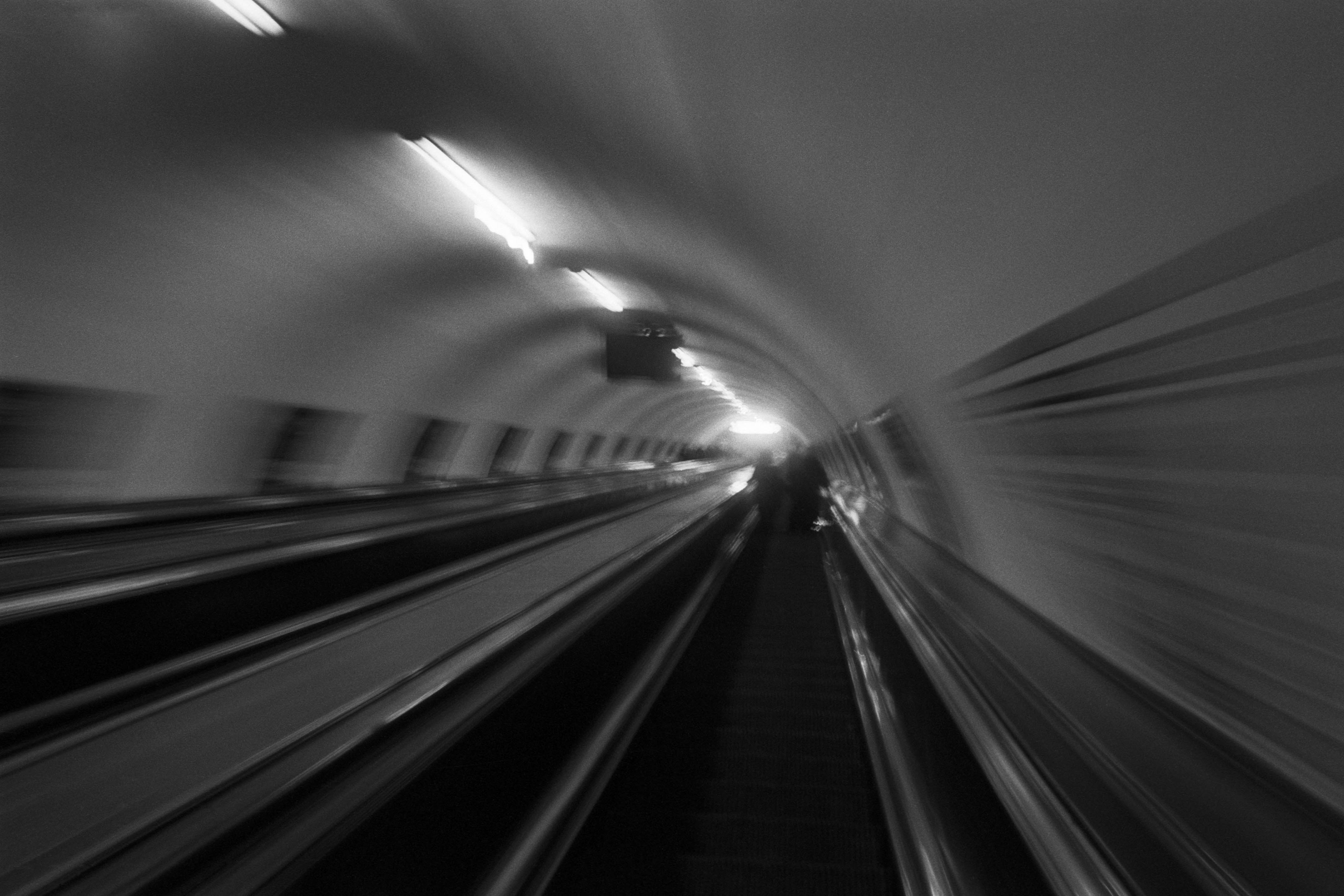
The Wall
2015Winner of the 1st prize & Golden Glass Award at the 11th Photographic Open Championship Olsztyn, and 1st place with the Special Prize of FORMAT magazine at the 3rd Biennial of Art in Piotrków Trybunalski.
View Series →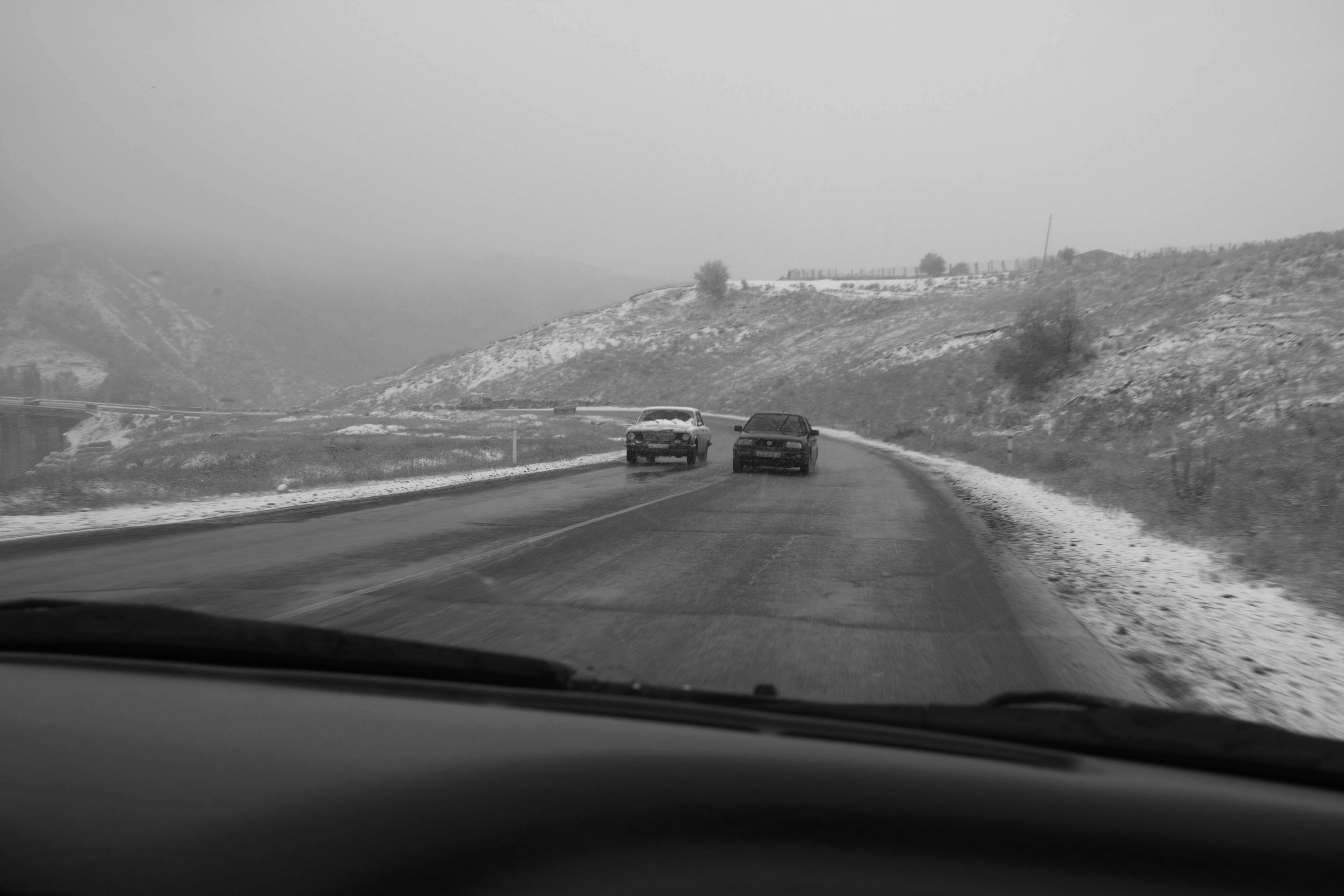
An Engagement Ring
2011A narrative series set in Wrocław in August 2011. Awarded 2nd prize & Silver Glass at the 10th Photographic Open Championship Olsztyn in 2014.
View Series →
Heat Wave
2014A documentary series recording spontaneous events across August and September 2014, capturing the raw energy of a city under the grip of summer.
View Series →