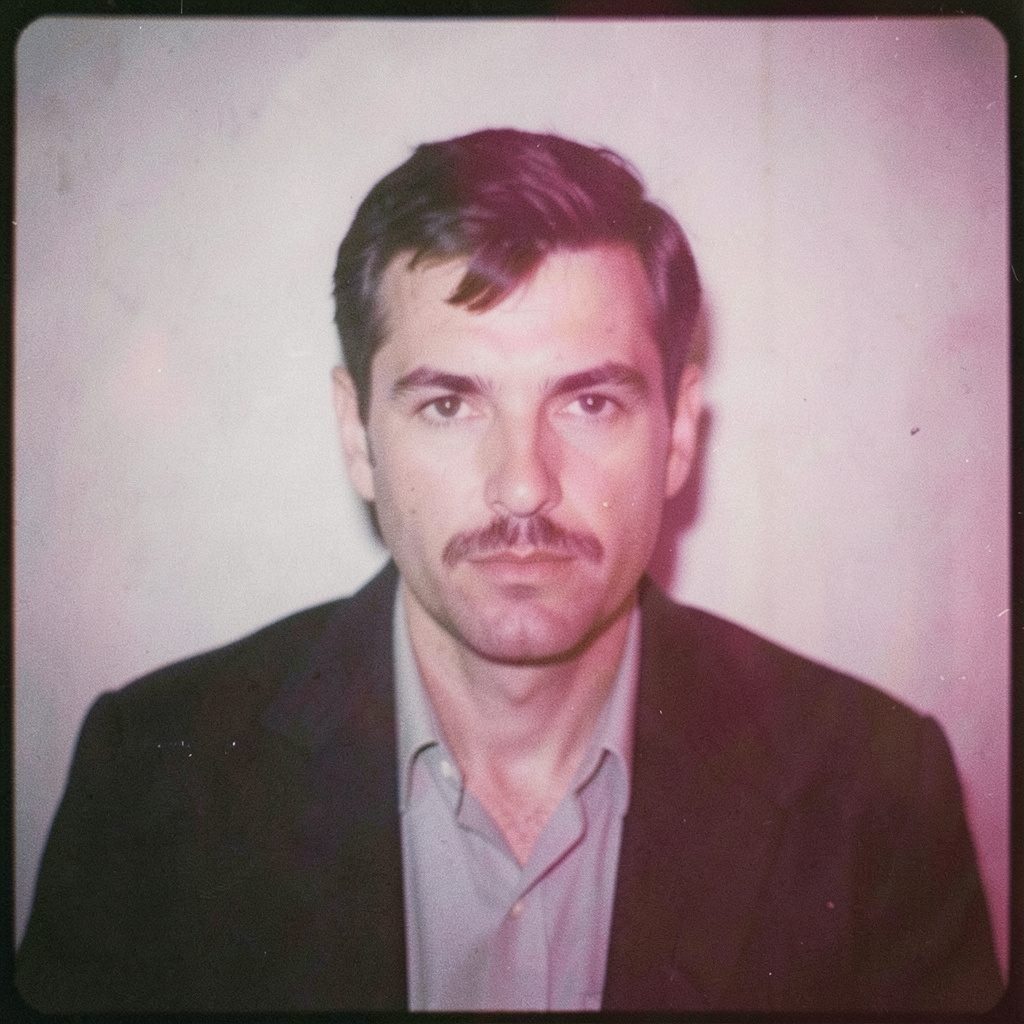
"Photography is not about the thing photographed. It is about how that thing looks photographed."
Ansel Adams and the language of black and white photography
The legacy of Ansel Adams in contemporary black and white photography is not a single visual signature. It is a disciplined way of seeing: landscapes, bodies, buildings and passing gestures are understood through light, tone, texture and emotional consequence. Adams made those ideas central to modern photography, but their relevance has expanded far beyond the Yosemite and Sierra Nevada photographs with which he is most closely associated.
His influence is often reduced to dramatic skies, deep shadows or the broad tonal scale of a print. Those are fragments of a larger method. Previsualization, the Zone System and painstaking print control gave the camera a conceptual purpose before exposure, then provided a means of translating intention into a physical object. Contemporary photographers inherit that process even when the capture comes from a digital sensor and the final edition is made on a wide-format printer.
For Australian photographers, this inheritance meets a varied geography and a pragmatic commercial culture. Sydney’s sandstone surfaces and the eucalyptus country beyond the Blue Mountains offer one kind of challenge; Melbourne’s laneways and changing pedestrian scenes around Flinders Street offer another. The country’s boutique galleries, design studios, corporate clients and direct online market also reward images that feel distinct without relying on colour to carry their impact.
From Wrocław, where Rafal Michalak works across business portraiture, fashion, events and conceptual photographic series, Adams provides a bridge between commercial demands and fine art practice. The connection does not require imitation. It requires a clear response to place, control of tonal relationships and respect for the material life of a photograph. That approach can inform a portrait commission, an abstract series or a limited fine-art edition with equal seriousness.
From previsualization to contemporary practice
Adams helped define photography as a consciously crafted art rather than a simple record of appearances. With Edward Weston, Paul Strand and others in Group f/64, formed in 1932, he promoted sharp focus, full tonal range and the camera’s claim to serious artistic status. The apparent simplicity of a finished monochrome photograph conceals decisions about subject, viewpoint, lens, exposure and printing.
The Zone System made visual decisions more systematic. By assigning tonal values from near-black to near-white, Adams could relate a subject to the light surrounding it. The method did not prescribe an identical result in every place. It created a common language for deciding which details deserved emphasis, which shadows should retain information and where a photograph’s strongest accents belonged.
Contemporary practice can adapt that logic without preserving every mechanical step. A photographer might plan a digital exposure, bracket difficult light or process several takes with different tonal intentions. Previsualization remains valuable because it connects technical decisions to the finished experience. The camera becomes part of a larger sequence of seeing, selecting, refining and presenting rather than the beginning and end of the photograph.
The tonal architecture of black and white images
A successful greyscale image depends on relationships, not isolated values. Adams understood that a deep black gains force beside a luminous grey, while a pale subject can disappear against an equally pale background. The tonal scale gives the eye a route through the frame and determines whether it reads depth, atmosphere, volume or abstraction.
Dodging and burning during darkroom printing made those relationships adjustable. Light could be held within a face, detail could be restored to a shadow and a bright passage could be allowed to approach paper white without losing its structure. This was more than the pursuit of technical perfection. Each adjustment expressed a judgment about what the viewer should notice and how strongly it should be felt.
Digital workflows offer comparable control, although the decisions happen differently. A histogram can reveal clipped highlights or blocked shadows, while selective adjustments can model the effect of controlled exposure and printing. The contemporary lesson from Adams is not to imitate a particular curve. It is to compose with tone from the outset and judge the greyscale image independently of colour.
Technique as a way of seeing
Adams combined technical knowledge with a sensitivity to the character of his materials. He explored film response, developer chemistry, filtration and print paper because each shaped the visible result. That attention remains relevant for photographers working with analogue cameras, medium-format backs and black-and-white film, as well as those building hybrid workflows with digital capture and software-based editing.
The camera remains a tool for organising attention. Choosing a normal lens instead of an extreme wide angle, moving closer to separate planes or waiting for clouds to alter a landscape changes the photograph’s structure before any tonal adjustment begins. Technique, in this sense, is a series of physical decisions about relationship rather than a collection of effects added later.
Digital sensors also encourage a closer study of surfaces; the close observation behind abstract texture prints shows how grain, tonal fragments and edge relationships can become subjects rather than remain incidental detail. Such work aligns with Adams’s emphasis on visual consequence: scratches, weathered walls, fabric and reflected light can carry an entire composition when their patterns are noticed with patience.
Place, memory and environmental responsibility
Adams’s landscape photography was closely connected to his commitment to conservation. His images gave visual form to the Sierra Nevada and helped build public support for the protection of wild places through the Sierra Club and other environmental organisations. The photographs did not simply celebrate scenery. They argued that attention creates a reason to care about what might otherwise be treated as empty space.
That argument has particular force in Australia, where development, mining, drought and fire shape public discussions about the land. An image of the Blue Mountains can register the fragility of eucalyptus country or the pressure carried by its edges. It can also become generic if the landscape is used only as a dramatic backdrop. Place demands specificity through weather, vegetation, distance, local history and the photographer’s physical position.
Memory adds another dimension to this responsibility. A contemporary series might revisit an industrial suburb, photograph coastal erosion or record the changing surfaces of community buildings. Black and white isolates patterns of use and abandonment, allowing a familiar place to become less certain and more psychologically charged. Adams’s legacy encourages the photographer to ask what a landscape carries beyond its appearance.
Portraits, fashion and events in a tonal market
Before becoming celebrated for his expansive landscapes, Adams earned a reputation as a commercial portrait and fashion photographer. That part of his career offers important lessons for commissioned work. A portrait needs more than a technically competent likeness; clothing, posture, expression, background and tonal separation must cooperate to create a convincing presence.
The same principle applies to fashion photography. Without colour to define fabric, skin or styling, shape becomes more visible. Rounded highlights describe the volume of a shoulder, dark folds give structure to a garment and the distance between values separates figure from ground. Melbourne’s fashion and design culture, along with Sydney’s editorial and corporate markets, provides ample opportunity to apply this disciplined monochrome approach to people and clothing.
Events offer another setting for decisive, observational photography. The activity around Adelaide Fringe, corporate functions in Melbourne and family gatherings on Australia Day require quick decisions about light, gesture and composition. The Adams-informed photographer cannot control every element, yet tonal instinct can reveal order within a crowded room. The resulting image may serve a client, an archive or a fine-art series without losing its sense of lived experience.
A working framework for Australian photographers
The most useful inheritance is a practice that joins observation to deliberate refinement. Field exercises can train the eye to see tonal structure before technical equipment is introduced:
- Photograph the same street at three different times of day and compare how the tonal background changes.
- Build a tonal ladder from paper white to dense black, then study how adjacent values affect depth.
- Print one frame with restrained and expansive contrast while keeping the same composition.
- Record a person in profile and three-quarter view to observe how shadow alters perceived character.
These exercises strengthen judgement without prescribing a style. They also encourage photographers to work with the particular light and surfaces found in Australian cities, regional towns and coastal environments.
A tonal intention should survive the move into digital post-production. The following sequence keeps that intention visible:
- Set the black-and-white conversion for overall relationships before adding local contrast.
- Use masks or brush adjustments to shape important tonal transitions.
- Preserve natural texture where it supports the subject rather than applying uniform sharpening.
- Compare the edited file with a smaller proof before preparing a final print.
Printmaking supplies the final stage of interpretation. A silver gelatin print, archival pigment print or contemporary chromogenic process can give the same negative a different physical presence, yet Adams’s central principle remains unchanged: exposure, development, editing and presentation are parts of one continuous act of making. The Australian market for boutique editions, gallery prints and commissioned black-and-white work offers room for that continuity.
Adams’s enduring achievement is not a look that can be copied. It is the conviction that seeing, making and printing belong together. For a practice based in Wrocław or working across Australia’s cities and regional landscapes, that conviction keeps black-and-white photography both historically grounded and open to new forms.
Selected Series
A cross-section of commissioned and personal projects spanning fine art, commercial, and conceptual work.
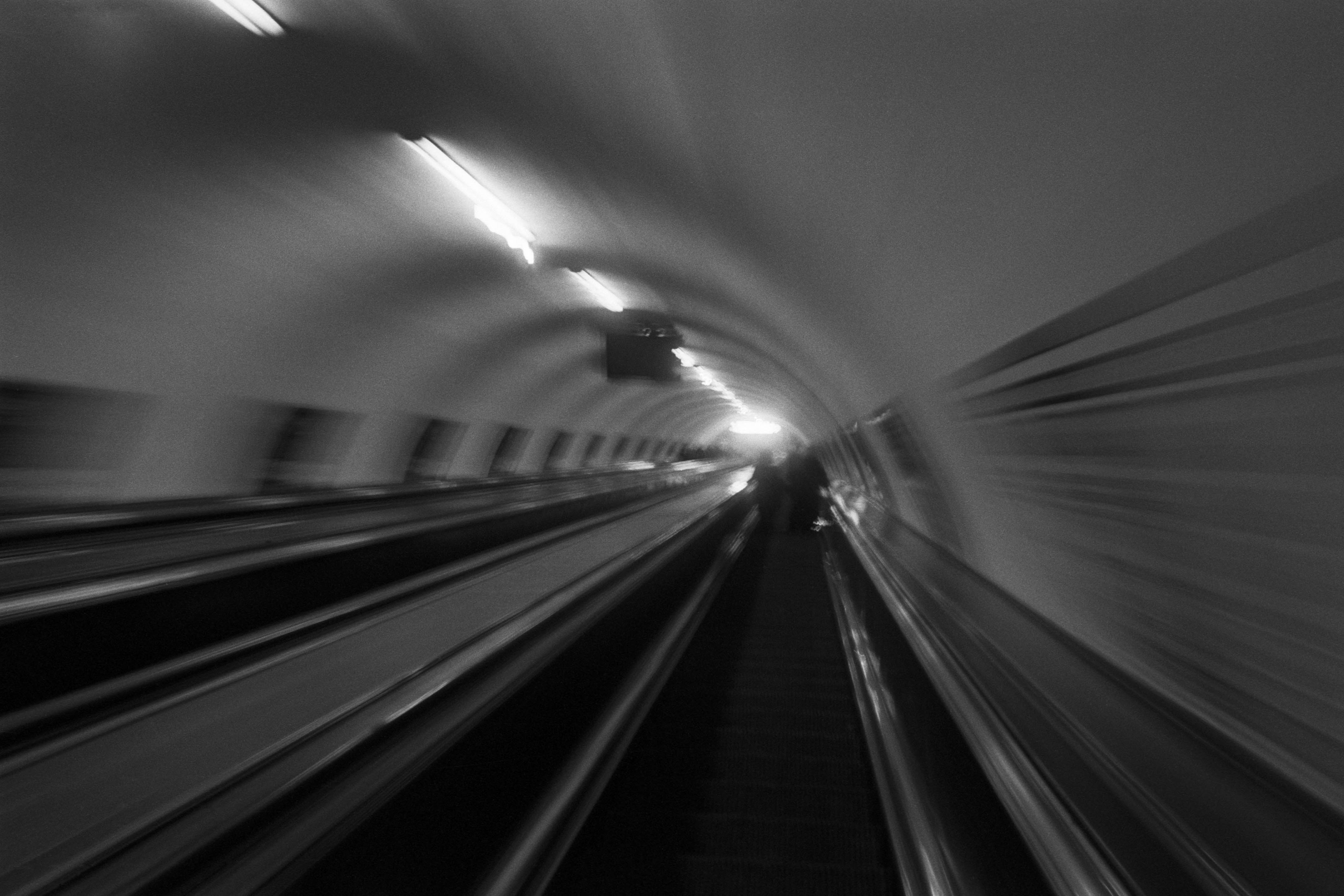
The Wall
2015Winner of the 1st prize & Golden Glass Award at the 11th Photographic Open Championship Olsztyn, and 1st place with the Special Prize of FORMAT magazine at the 3rd Biennial of Art in Piotrków Trybunalski.
View Series →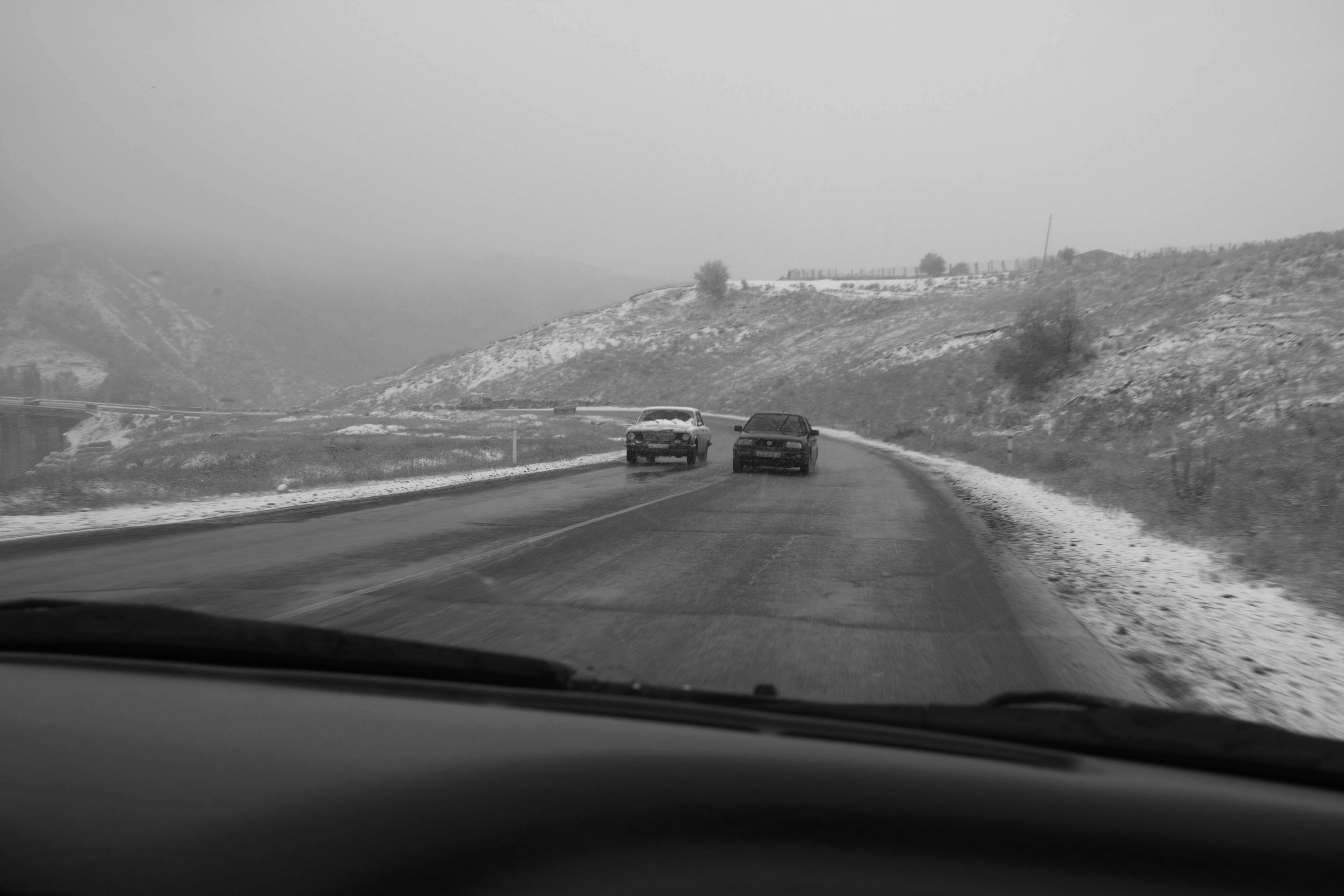
An Engagement Ring
2011A narrative series set in Wrocław in August 2011. Awarded 2nd prize & Silver Glass at the 10th Photographic Open Championship Olsztyn in 2014.
View Series →
Heat Wave
2014A documentary series recording spontaneous events across August and September 2014, capturing the raw energy of a city under the grip of summer.
View Series →