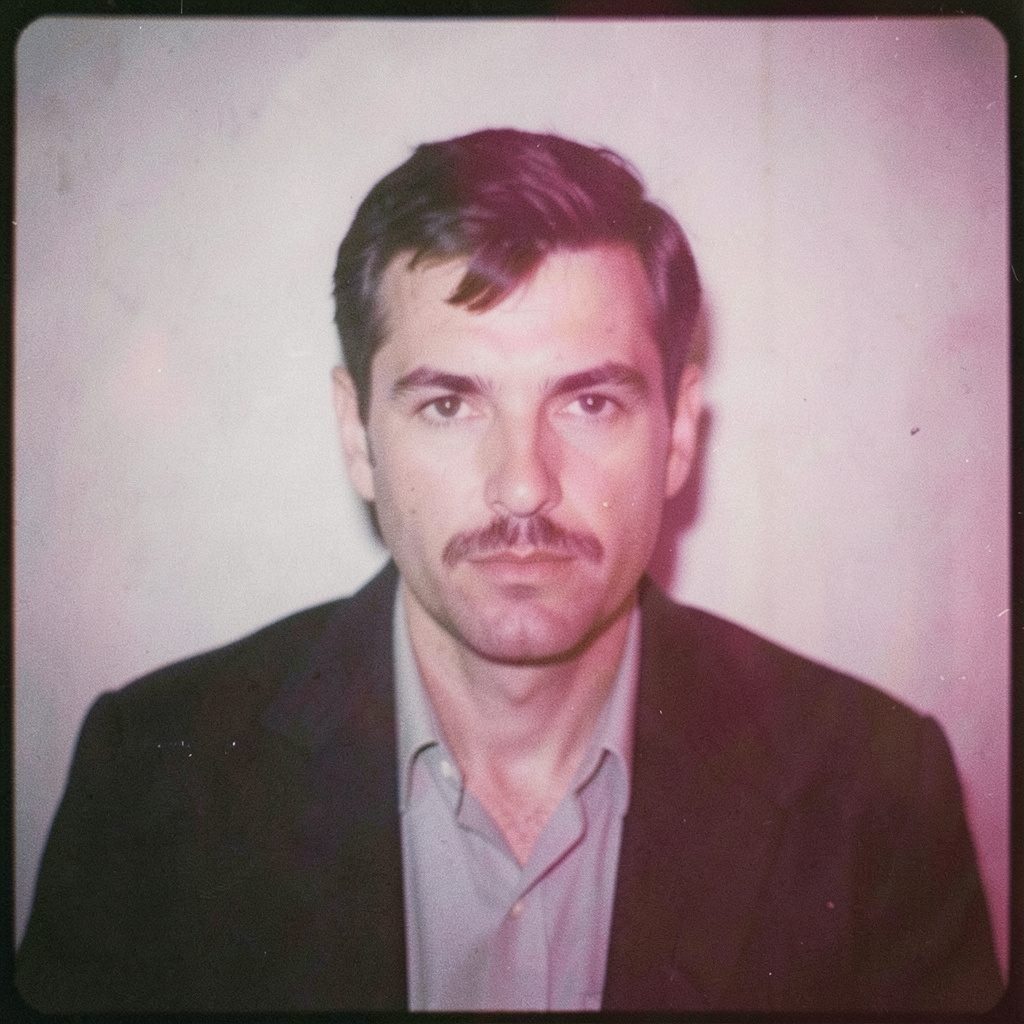
"Photography is not about the thing photographed. It is about how that thing looks photographed."
A Single Frame That Holds a Whole Story
A photograph is rarely just a record of something that happened. Even when the shutter clicks in a fraction of a second, what lands on the negative — or the sensor — is the residue of a decision, a mood, a relationship between photographer and subject. Across decades of practice, I have come to believe that a single image, when made with care, can carry the weight of an entire narrative. It can whisper, demand, comfort, or confront, sometimes within the same frame. For anyone curious about how visual storytelling actually works, the question of how a photo can tell a story leads somewhere deeper than technique. It leads to intention, attention, and the choices made before, during, and after the moment of exposure.
In Australia, light behaves unlike almost anywhere else on earth. Golden hour over Sydney Harbour one day, stark midday white on the salt plains another. Photographers here have learned to read weather and geography as collaborators, not backdrops. From Melbourne's graffiti-laced laneways to the rust-red folds of the Flinders Ranges, every location offers its own grammar. The promise of a single photograph is that it can capture not only what was seen, but what was felt, and translate both for a viewer standing in another country, another season, another life.
The Visual Pause That Outlasts the Moment
A still photograph stops time, and that is its most underappreciated gift. Video can suggest duration, music can imply feeling, but a still image forces the eye to linger. The viewer becomes an accomplice, filling in the moments before and after with their own memory, their own projection. Think of a portrait where the subject is half-turned, looking past the lens. We do not know what they are looking at, and that is precisely why we keep looking. The image asks a question it does not answer.
This is something I have explored in long-running personal projects, where one frame is chosen out of hundreds to carry an entire chapter. Sometimes the chosen image is not the most technically perfect. It is the one that holds a particular emotional density. The same principle applies whether a viewer is standing inside a gallery in Adelaide or scrolling through a portfolio on a screen in Perth or Hobart. A photograph earns its silence by saying enough.
Reading the Frame as a Page of Text
Composition is the grammar of photography. Where a writer selects words and arranges them into sentences, a photographer arranges light, line, and form. Leading lines behave like verbs, carrying the eye through the scene. Negative space functions as the commas and full stops, giving the viewer room to breathe. A strong subject in the right corner of the frame becomes a subject of the sentence, demanding attention through placement alone.
When teaching workshops or reviewing portfolios, I often ask students to describe an image aloud as though reading a short story. Where does the eye land first? Where does it travel next? Where does it rest? If those movements feel natural, the photograph has a narrative structure. If they feel chaotic or aimless, the photograph is still a picture, but it has not yet become a story. In Australian photography, this principle is visible everywhere from the wide horizontal compositions of the outback by photographers like Trent Parke, to the tightly framed street portraits made through steam in a Surry Hills café doorway.
Light as the Vocabulary of Feeling
Light is the vocabulary every photographer must learn to spell with. Direction, hardness, colour temperature, and contrast each carry an emotional charge. A high-key portrait in soft daylight can feel tender, vulnerable, almost suspended. A low-key portrait lit by a single hard source reads as confession, confrontation, or solitude. The same face, the same expression, becomes a different story depending on how the light falls.
In my own work, I often spend more time choosing and shaping the light than I do arranging the subject. There is a quiet kind of honesty in light that cannot be faked. Australians who have stood on the cliffs at Bondi at dawn, or walked through the Daintree at noon, already know this. The sun here is not just illumination. It is atmosphere, weather, mood. To work with it well is to accept that the story a photograph tells is partly told by the climate it was made in.
Why Analogue Still Matters in the Digital Era
Digital convenience has changed almost everything about how photographs are made, but the older traditions retain a stubborn relevance. Working in medium format, in black and white film, in the slow rituals of the darkroom, teaches a kind of attention that speed erodes. Each frame costs more, every decision is heavier, and the discipline of restraint sharpens the eye. A digital sensor might offer a thousand exposures in an afternoon. A roll of film offers twelve or thirty-six, and each one has to matter.
This is not nostalgia for its own sake. It is a deliberate choice to slow down in an industry that prizes volume. A conceptual portrait series built on film reads differently from one assembled from a memory card. The grain, the slight unpredictability of chemistry, the particular way film renders skin tones — these are not flaws, they are inflection points in the visual language. Many of the decisions behind this approach are explored further in a recent interview, where the lineage from Polish portraiture to Australian light becomes surprisingly clear.
Concepts, Fashion, and the Story in the Subject
Fashion photography is often dismissed as superficial, but the best of it is the opposite. A fashion image is a constructed story, deliberately staged, yet charged with enough fiction that the viewer reads it as truth. The clothing is a sentence, but the look, the setting, the gesture, the cropped hand or tilted head — that is the paragraph. Commercial work, when done with this sensibility, becomes almost indistinguishable from fine art, and the boundary between them dissolves into intention.
Conceptual series work goes even further. A single image in a conceptual sequence may look like a portrait, but it is actually a chapter heading, a sentence waiting to be completed by the next frame, the viewer's mind, and the passage of time. Working with dancers, actors, and musicians — disciplines central to Australian cultural life, from the Sydney Dance Company to the independent theatre scene of inner Melbourne — I have watched subjects bring their own stories into the frame. The photographer's job is to hold the space for those stories without flattening them.
Showing and Hiding in the Same Frame
Every photograph is also a record of what was left out. The frame is a decision about what counts, and everything beyond it is sacrificed. This act of selection is where storytelling becomes most powerful. To show everything is to describe nothing. To show almost nothing is to suggest everything.
In Australia, this principle takes on a particular resonance. The country's landscapes are vast, often empty, and that emptiness is part of their meaning. A horizon line that runs unbroken for kilometres tells a different story than a crowded laneway stall in Queen Victoria Market. The skill of the photographer is to recognise which kind of emptiness serves the story and which needs to be filled. Sometimes the most important element in an image is the part that is absent, the figure who has just stepped out of frame, the gesture that happened a second too early or late.
From Print to Conversation: How an Image Travels
A photograph is rarely finished when the shutter closes. The print is where the image becomes physical, the screen where it becomes shareable, the gallery where it becomes public. Each surface changes the story the image tells. A silver gelatin print, dark and textured, behaves differently on a gallery wall in Brisbane than a high-resolution file viewed on a tablet in a regional town. The viewing context is part of the meaning.
Today, a single image can travel across the world in hours, gathering captions, commentary, and reinterpretation along the way. That is an extraordinary gift for any storyteller, and it places new responsibility on the maker. To make a photograph that survives the journey, that still holds its story after a thousand shares, requires a kind of patience similar to writing a sentence that survives translation. Slow construction, exact word choice, and a clear idea of what must remain even when everything else drifts.
Practical Habits for Building Photographs That Mean Something
For photographers who want their work to carry narrative weight rather than simply document, a few habits tend to help more than any equipment upgrade. These have been tested in studios, on location, and across years of editorial, fashion, and conceptual work, and they remain as relevant on a misty Perth winter morning as they are in any controlled studio environment.
- Return to a subject more than once. The first frame is rarely the truest.
- Choose your light before you choose your lens. Mood lives in the illumination, not in the glass.
- Restrict yourself deliberately. Shoot one roll, one card, one series at a time.
- Make prints. A photograph on a wall tells you things a screen never will.
- Edit ruthlessly, and then edit again. The story sharpens with subtraction.
Selected Series
A cross-section of commissioned and personal projects spanning fine art, commercial, and conceptual work.
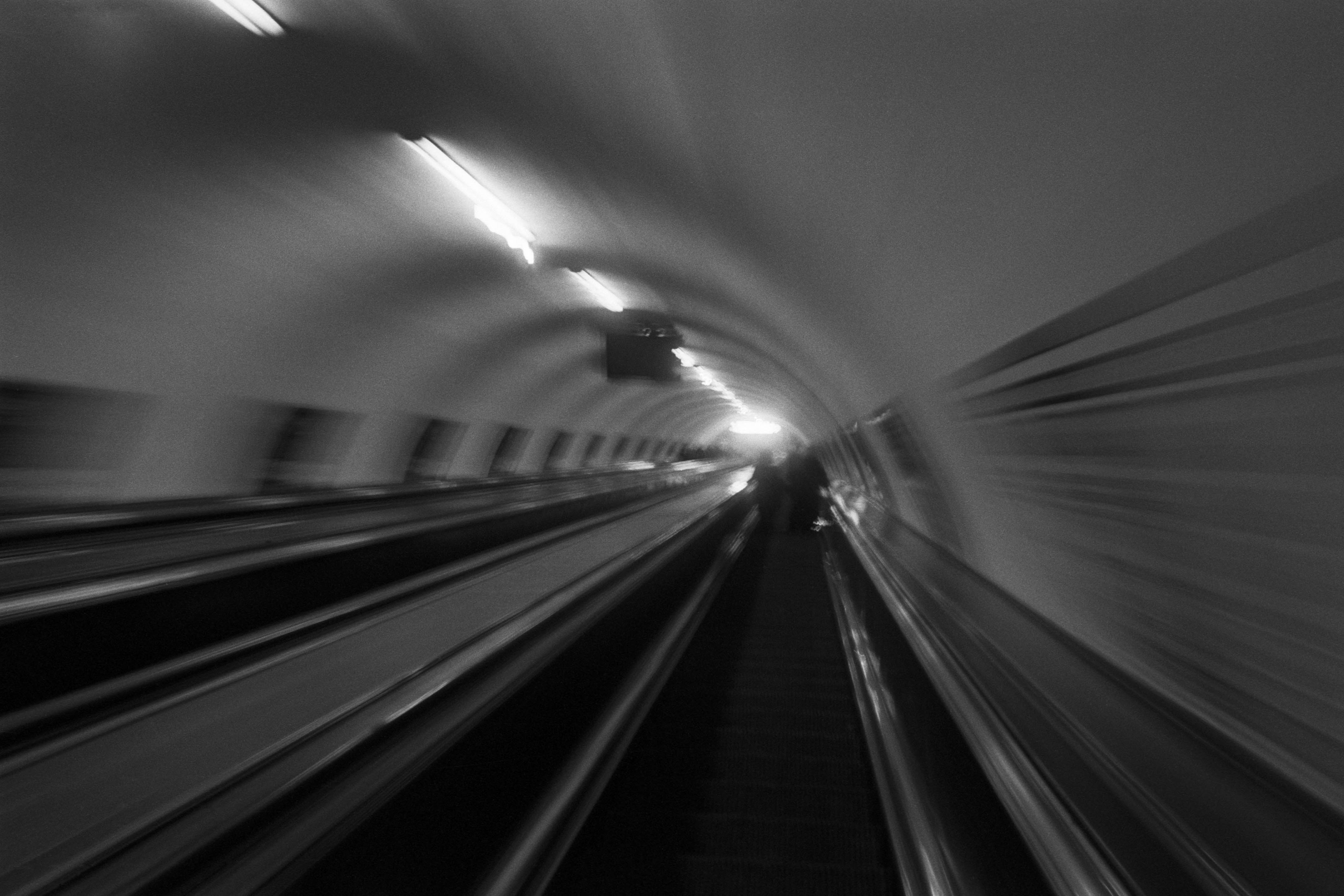
The Wall
2015Winner of the 1st prize & Golden Glass Award at the 11th Photographic Open Championship Olsztyn, and 1st place with the Special Prize of FORMAT magazine at the 3rd Biennial of Art in Piotrków Trybunalski.
View Series →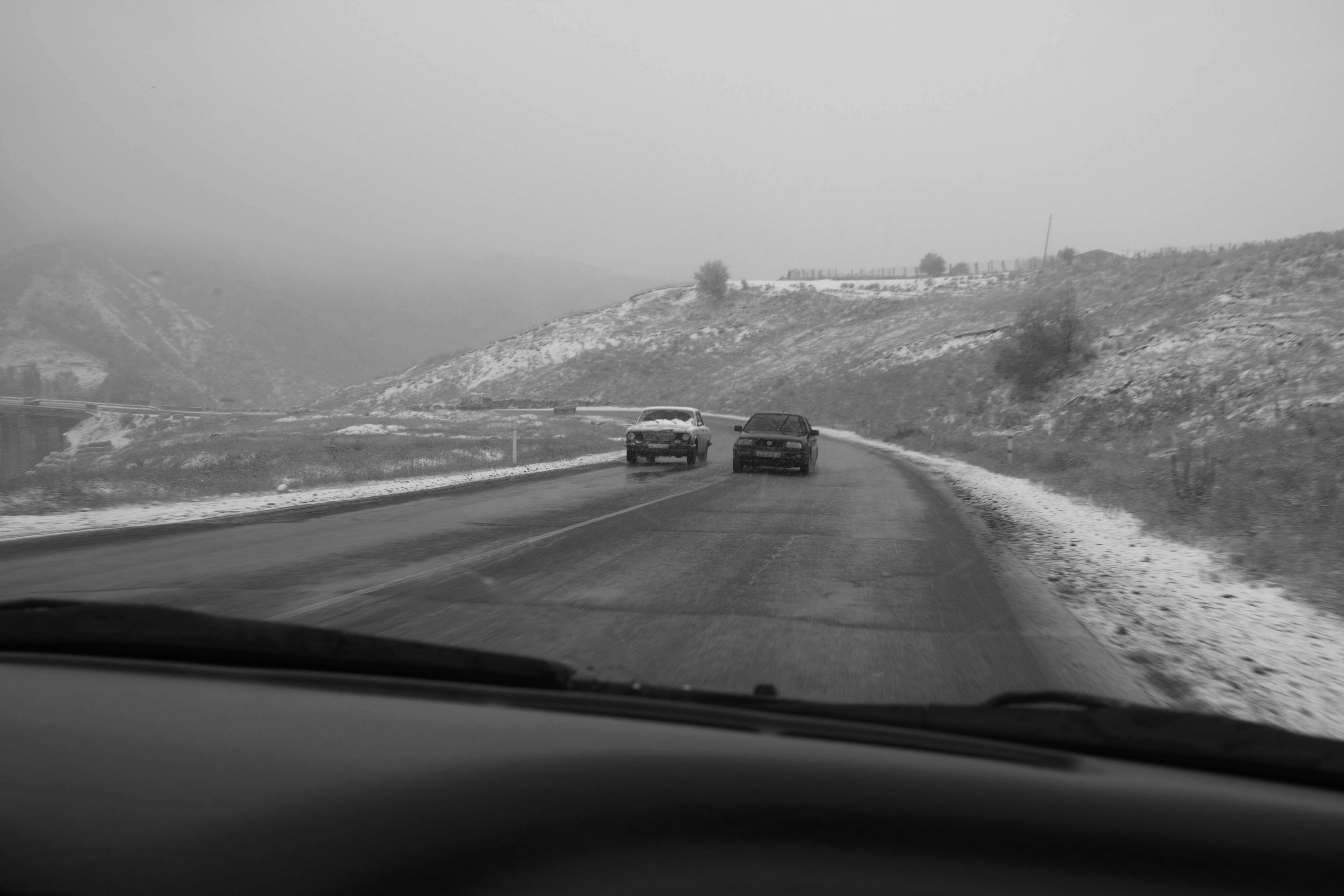
An Engagement Ring
2011A narrative series set in Wrocław in August 2011. Awarded 2nd prize & Silver Glass at the 10th Photographic Open Championship Olsztyn in 2014.
View Series →
Heat Wave
2014A documentary series recording spontaneous events across August and September 2014, capturing the raw energy of a city under the grip of summer.
View Series →