"Photography is not about the thing photographed. It is about how that thing looks photographed."
The power of shadows in black and white composition
Black and white photography gives shadows an unusually active role. Without colour to describe atmosphere, season or surface, an image depends on luminance, shape, texture and the intervals between light and dark. A shadow can conceal information, direct attention, establish depth or create an emotional pause. In a carefully composed frame, darkness is not an absence of detail; it is part of the subject.
For photographers working in portraits, fashion, events and conceptual series, tonal control can turn an ordinary scene into a memorable visual statement. This is especially relevant in Australian environments, where strong sunlight, reflective architecture and long coastlines produce bold contrasts. Whether the final image is made on medium-format film, in a darkroom or through a digital workflow, shadow remains one of the most precise tools for shaping meaning.
Seeing darkness as a compositional element
A shadow has a physical source, but its visual function can be independent of that source. It may form a diagonal across a wall, repeat the outline of a railing or divide a face into competing planes. These shapes create structure before the viewer identifies the literal object that caused them. Strong compositions often begin by recognising this pattern rather than by concentrating on the subject alone.
Negative space is closely related to shadow design. A dark area surrounding a pale figure can isolate the subject and make a portrait feel quiet, private or theatrical. Conversely, a narrow strip of black beside a face may introduce tension because the eye imagines what cannot be seen. The photographer controls the balance between revelation and concealment through exposure, framing and the placement of highlights.
Hard light produces distinct edges and graphic silhouettes, while diffused light creates gradual tonal transitions. Both can be effective. The choice depends on whether the image needs a crisp, architectural quality or a softer, more psychological atmosphere. In Melbourne laneways, for example, a low winter sun can project angular shadows from balconies and street signs, giving a simple portrait an almost constructed background.
Light direction, tonal range and visual rhythm
The direction of light determines how shadows describe form. Side lighting reveals texture across skin, fabric and masonry, while top lighting can compress the features and deepen the eye sockets. Backlighting reduces the subject to a contour or leaves a rim of brightness around the body. Front lighting is often considered simple, yet it can be useful when the surrounding environment supplies the shadows and the subject needs to appear direct and unguarded.
Exposure decisions should preserve a meaningful relationship between the brightest highlight and the deepest tone. If every dark area is opened up, the image may lose its visual hierarchy. If all shadows become solid black, the frame can feel abrupt unless that density is deliberate. In film photography, the negative, development and printing process all affect this tonal range. A photographer who understands the darkroom can decide whether a shadow should retain delicate information or become a decisive block of black.
Rhythm emerges when light and dark forms recur across the frame. A row of windows can echo the pattern of a subject’s clothing; tree shadows can repeat the gesture of a posed arm; alternating pavement and sunlight can lead the eye towards an event performer. This repetition gives a monochrome image movement even when the camera is perfectly still. In commercial portraiture, such rhythm can also align a person with the geometry of a workplace or brand environment.
Portraits shaped by concealment and reveal
Black and white portraiture benefits from restraint. A face does not need to be evenly illuminated to communicate confidence, vulnerability or authority. Partial shadow can suggest a private thought, while a broad pool of light may make the sitter appear open and accessible. The direction of the gaze, the edge of the shadow and the visible texture of the skin work together to create a psychological reading.
For photographers exploring this approach, black and white portraiture offers a useful point of reference for considering film, contrast and the expressive potential of reduced colour. Analogue materials respond to light with a distinctive tonal character, and medium-format negatives can hold subtle transitions that reward careful printing. Digital cameras can provide comparable control, but the visual result still depends on how the photographer observes and interprets light.
A portrait session in Sydney or Brisbane may involve intense daylight outside and controlled illumination inside. Window light can be shaped with curtains, flags or a nearby wall, while a reflector can return only enough brightness to prevent the shadow side from disappearing. The aim is not to remove contrast, but to make each tonal decision support the person’s presence. A business portrait can remain professional while using a shadow line to create depth and individuality.
Shadows in Australian places and visual culture
Australia offers varied conditions for monochrome work. The glare of Perth’s midday sun creates compact, dark shadows beneath trees and buildings, while Hobart’s changing weather often produces softer modelling and reflective streets. In Adelaide, broad façades and verandahs can create long horizontal bands of shade. These local differences affect the pace of observation: a photographer may wait for a particular angle of sun, cloud cover or passing figure before making the exposure.
Everyday habits also shape the available imagery. People move between bright pavements and covered shopping arcades, pause beneath bus shelters, gather at weekend markets and seek shade during the hottest part of the day. These transitions create natural moments of contrast. At a coastal event, a white marquee may act as a giant reflector, while the surrounding sand and water push the exposure towards a brighter register. At an inner-city function, dark interiors and glass walls can produce layered reflections and silhouettes.
The local commercial market has its own visual expectations. A law firm in Canberra may want a restrained portrait series with clear facial detail, while a fashion label in Melbourne may prefer deep blacks, sculptural poses and a more experimental editorial language. Event photography in Brisbane, Sydney or the Gold Coast must often work quickly under mixed lighting, from stage LEDs to fluorescent rooms. A flexible photographer can preserve a consistent monochrome treatment without flattening the character of each location.
Practical and legal awareness matters during commissions. In Australia, photographing people in public places is generally possible, but privacy, trespass, contractual restrictions and venue policies can still affect a shoot. Commercial use of a recognisable person’s image usually requires an appropriate model or talent release, especially when the image supports advertising. Cultural sites and private properties may impose their own rules, and drone or controlled-airspace work can involve Civil Aviation Safety Authority requirements. Good preparation protects both the subject and the photographer’s creative intent.
From capture to finished monochrome image
The final image begins before the shutter is released. A photographer can visualise the scene in terms of zones: the brightest highlight, the dominant mid-tone, the important shadow and the areas that can fall away. This method helps prevent distracting bright patches from competing with the subject. It also encourages a slower form of composition in which the frame is organised by tonal weight rather than by colour.
Film choice, metering and development influence how shadows behave. Underexposure may intensify mood but can remove useful texture from hair, clothing or background surfaces. Slightly generous exposure followed by controlled processing may produce open, nuanced shadows, though the result depends on the material and intended print. In a digital workflow, raw files allow adjustment of highlights, blacks and local contrast, but excessive clarity or noise reduction can make skin and shadow transitions appear artificial.
A disciplined editing process protects the image from unnecessary effects. Convert to monochrome with attention to colour-channel relationships, since the original colours determine how different surfaces translate into grey. A red garment and a green wall may appear similar unless their luminance is adjusted carefully. Local dodging and burning can strengthen the intended path through the frame, while a restrained grain treatment may connect digital files with the tactile character of analogue work.
For professional delivery, the output should suit its purpose. A gallery print may favour a broad tonal scale and carefully managed paper surface; a campaign image may require consistent contrast across a complete set; a website portfolio needs files that remain clear on varied screens. Archiving the original negative or raw file, the processed master and the final export supports future licensing and reliable reproduction. The strongest shadow treatment remains convincing because it survives these changes without losing its structural purpose.
Practical ways to direct shadow in a shoot
Shadow is easier to control when the photographer treats the environment as equipment. A concrete wall, awning, curtain, reflector or dark jacket can alter the light without adding complicated technology. Small movements may change the composition dramatically: shifting a subject half a metre can place the eyes in brightness, move a shadow across the cheek or remove a distracting highlight from the background.
The following working principles help develop a consistent monochrome style:
- Observe the scene before raising the camera, identifying the dominant light source and the darkest meaningful shape.
- Use side light to reveal texture, but check that important facial features retain enough separation from the background.
- Allow some areas to become quiet or nearly black when they strengthen the subject’s outline and do not hide essential information.
- Compare hard and diffused light on the same subject to understand how edge quality changes mood and form.
- Meter for the part of the image that carries the story, then review highlights and shadow detail rather than relying on brightness alone.
- Edit in relation to the complete series, keeping contrast and tonal character coherent across portraits, fashion images or event coverage.
- Consider the final medium early, since paper, screen brightness and print scale all influence how darkness is perceived.
The best results usually come from intention rather than maximum contrast. A delicate grey shadow can be more expressive than a dramatic black shape when the image concerns intimacy, memory or uncertainty. Equally, a near-silhouette can give a fashion photograph the graphic force required for a campaign. The decision should arise from the subject, the setting and the story the frame needs to carry.
In black and white composition, shadows give photographs their architecture and emotional temperature. They separate planes, conceal distractions, establish rhythm and guide attention through the frame. From the hard sunlight of Perth streets to the subdued interiors of a Hobart studio, the photographer’s task is to recognise what darkness can contribute and then preserve it with care. When light and shadow are treated as equal materials, a photograph becomes more than a record of appearance: it becomes a deliberate arrangement of seeing and withholding.
Selected Series
A cross-section of commissioned and personal projects spanning fine art, commercial, and conceptual work.
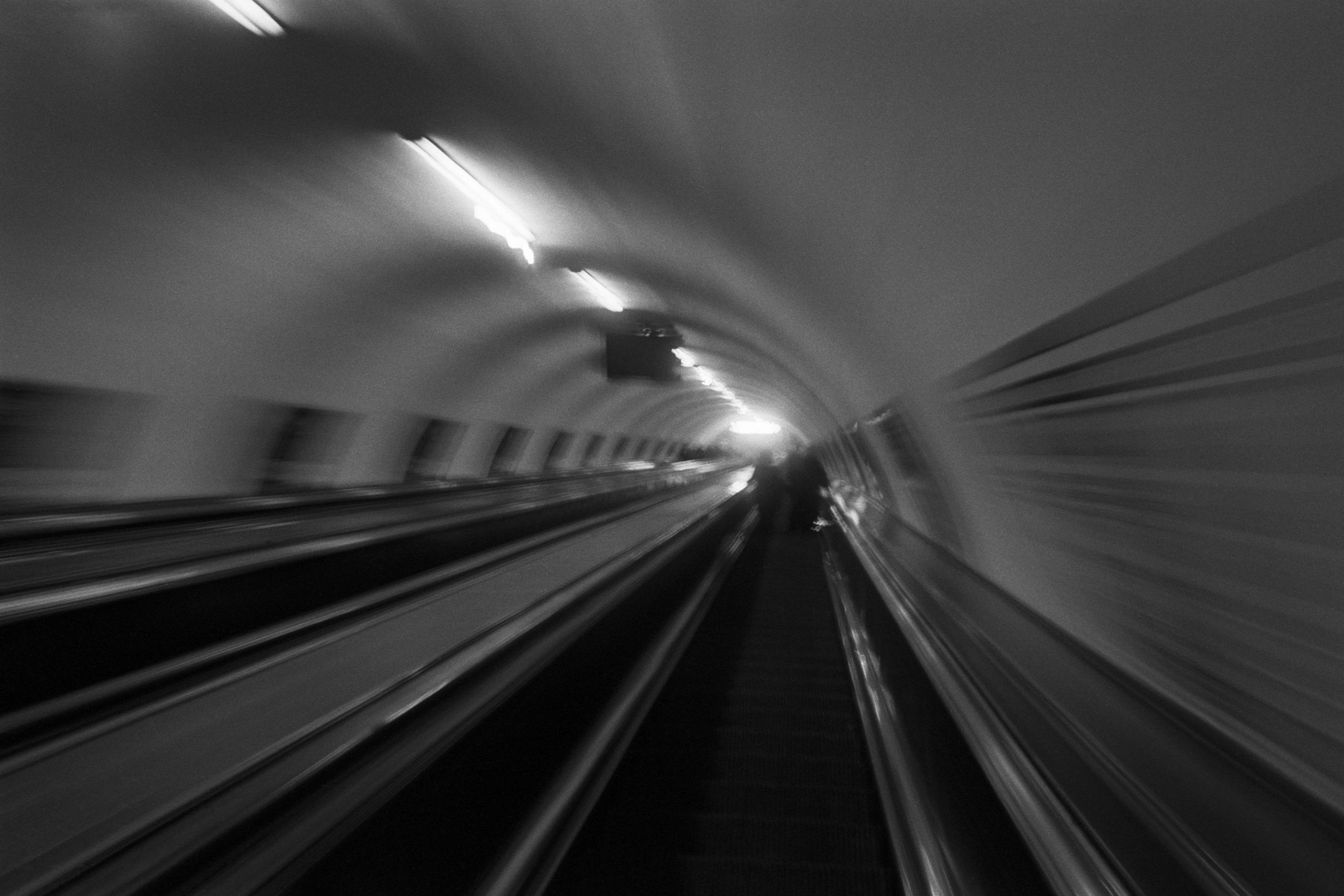
The Wall
2015Winner of the 1st prize & Golden Glass Award at the 11th Photographic Open Championship Olsztyn, and 1st place with the Special Prize of FORMAT magazine at the 3rd Biennial of Art in Piotrków Trybunalski.
View Series →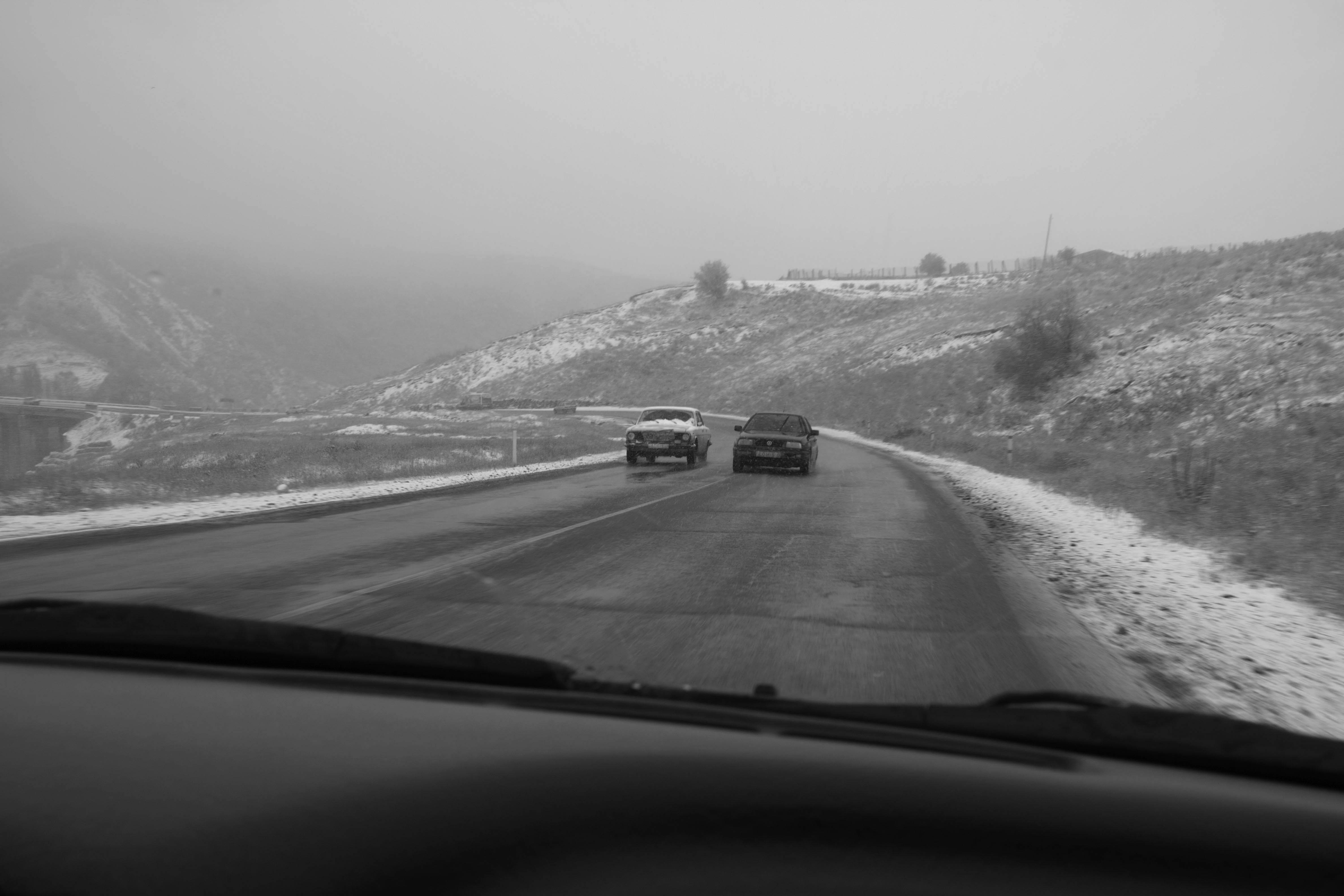
An Engagement Ring
2011A narrative series set in Wrocław in August 2011. Awarded 2nd prize & Silver Glass at the 10th Photographic Open Championship Olsztyn in 2014.
View Series →
Heat Wave
2014A documentary series recording spontaneous events across August and September 2014, capturing the raw energy of a city under the grip of summer.
View Series →