"Photography is not about the thing photographed. It is about how that thing looks photographed."
Building meaning through a narrative photo essay
A narrative photo essay is built from a sequence of images that carries an idea, atmosphere or human story across time. It is different from a collection of attractive photographs. Each frame has a role, and the relationship between photographs creates meaning that no single image could hold on its own.
The process begins well before the camera is lifted. A photographer needs to identify the central subject, understand its setting, establish trust with the people involved and decide what kind of visual language will best express the story. Research, access, timing and editing are as important as exposure, composition and technical control.
For an Australian audience, the setting can shape the work in highly specific ways. The hard summer light of Perth, the changing weather around Melbourne, the crowded urban rhythm of Sydney or the subtropical atmosphere of Brisbane all offer different visual conditions. Local customs, distances and permissions also affect how a documentary or conceptual series develops.
A strong photo essay can be created for a gallery, publication, cultural organisation, brand or private commission. It may use medium-format film, black-and-white negatives, digital files or a combination of analogue and contemporary methods. The essential task remains the same: to transform observation into a coherent visual narrative.
Finding the story beneath the subject
The first stage is to move beyond a broad subject and find the underlying story. “A coastal town” is a location, not yet a narrative. “How seasonal work changes a coastal town after the tourists leave” contains tension, time and human consequence. A useful premise suggests what the photographer will look for, what may change and why the audience should remain attentive.
Research can include conversations, archives, maps, news reports, previous visual projects and visits without a camera. This early observation reveals recurring details: a particular gesture, a workplace routine, a neglected building, a family tradition or a contrast between public identity and private life. These elements become possible visual motifs rather than arbitrary decoration.
The photographer should also define the scale of the project. A short editorial series may require a focused account of one person over a few days, while a long-form body of work might follow a community through a year. For a large commercial or cultural commission, preparing for a large-scale commission helps clarify expectations, resources, production schedules and the relationship between creative ambition and practical delivery.
A written treatment keeps the project grounded. It can describe the subject, intended audience, visual mood, access requirements, ethical considerations and likely final format. This document does not need to dictate every photograph. Its purpose is to provide direction while leaving space for discoveries made in the field.
Building access and a visual point of view
Access determines the depth of a photographic story. A subject who feels observed as a person rather than used as material is more likely to reveal unguarded moments. Introductions should be transparent, especially when photographing workplaces, homes, young people or communities with a history of being represented by outsiders.
Consent is an ongoing process rather than a single form. People may agree to a portrait but feel differently about its use in a gallery, advertising campaign or international publication. A clear conversation about purpose, distribution, anonymity and the right to withdraw protects both the participant and the integrity of the work.
Visual decisions should follow the story. A close portrait can communicate intimacy, while a distant figure within a large landscape may suggest isolation or social pressure. Repeated angles, empty spaces, reflections, shadows and changes in scale can create a visual grammar. The choices become more persuasive when they are consistent without becoming predictable.
The photographer also decides how much of the work will be directed. A constructed scene may be appropriate for a conceptual series or a fashion story, while a documentary project may depend on minimal intervention. These approaches can coexist if the audience is not misled about what has been staged, observed or reconstructed.
Choosing equipment and working methods
Equipment should serve the narrative rather than announce itself. A compact digital camera may be ideal for moving through a crowded Melbourne laneway, while a medium-format system can produce a considered portrait with a rich sense of texture. Large cameras can slow the encounter and encourage concentration; smaller cameras can allow a photographer to work quietly and respond quickly.
Film changes the rhythm of a project. Limited exposures encourage attention before the shutter is released, and the interval between photographing and seeing the result can preserve uncertainty. Black-and-white film may reduce visual distractions and emphasise form, gesture and tonal relationships. Colour film or digital capture can be essential when signs, clothing, landscape or artificial light carry narrative information.
Traditional darkroom principles remain valuable even when the final work is produced digitally. Careful exposure, controlled contrast, local adjustments and a respect for the original atmosphere help prevent excessive processing. A hybrid workflow might involve shooting medium-format film, scanning the negatives, refining tonal values digitally and producing archival prints.
Technical consistency matters during a long project. The photographer should record film stocks, lenses, lighting conditions and file settings, then maintain reliable backups. In Australia, remote assignments can involve long drives between regional towns, limited access to processing and sudden changes in weather, so a practical kit may include spare storage, power solutions, protective cases and a clear data-management routine.
Photographing time, place and human detail
A narrative sequence needs variety. Establishing photographs show where the story takes place; portraits introduce people; detail images reveal objects, surfaces and habits; transitional frames communicate pauses, movement or emotional shifts. The strongest essays often include quiet images that seem secondary at first but provide connective tissue between more decisive moments.
Time can be recorded literally through changing light, repeated visits or seasonal transformation. It can also be suggested through traces: an unfinished meal, worn work gloves, a closed shop, a child’s drawing or a room rearranged after someone has left. These details allow the viewer to infer what happened before and what may happen next.
Australian conditions offer distinctive opportunities for this approach. A project following workers in Darwin may be shaped by wet-season humidity, while a story in Adelaide could use dry heat, wide streets and pale surfaces as recurring visual elements. Around Sydney, ferry routes and harbour light may connect separate lives; in regional Queensland, distance and road travel may become part of the narrative structure.
Respect for place is especially important when photographing Aboriginal and Torres Strait Islander communities, cultural practices or Country. A photographer must follow local protocols, seek appropriate guidance and avoid treating cultural knowledge as visual content available for extraction. The story is stronger when its production reflects care, accountability and genuine collaboration.
Editing the sequence into a story
The contact sheet is where a collection of photographs becomes an essay. Begin by reviewing everything without trying to select a final sequence immediately. Mark images that carry emotion, information, ambiguity or visual energy. Then look for repetition, gaps and photographs that are individually impressive but weaken the wider rhythm.
A useful sequence often has an opening image that establishes a question rather than explaining everything. The middle can introduce complexity, contrast or intimacy, while the final frame may remain unresolved. Chronological order is useful for some stories, but emotional, visual or thematic progression may create a more compelling structure.
Editing is a process of subtraction. A photograph may be beautiful and still belong outside the project if it repeats information already present. Similar portraits, identical compositions or several images with the same emotional temperature can flatten the pace. Alternating dense and quiet frames gives the viewer room to absorb what has come before.
Test the edit in the form in which it will be experienced. A wall exhibition, printed book, website gallery and magazine spread each produce different relationships between images. Captions can provide essential context, but they should not explain what the photograph already communicates. A short artist statement can identify the central concern without closing every possible interpretation.
A useful reference point can come from studying how established photographers balance portraiture, place and detail; this visual reference demonstrates how a portfolio can present distinct bodies of work while retaining a recognisable authorial sensibility. Research should inform decisions rather than encourage imitation.
Presenting the finished photographic essay
Presentation affects how an audience enters the story. Fine-art prints can give tonal depth and physical presence, while a digital gallery can support sound, text, video or a geographically dispersed audience. For an Australian commission, the final format may need to work across an agency presentation in Sydney, a cultural venue in Canberra and an online campaign viewed on mobile devices.
Print production requires decisions about paper, scale, borders, framing and viewing distance. A sequence of small black-and-white prints can create intimacy, whereas large colour photographs may immerse the viewer in a landscape or interior. Proofs should be viewed under realistic lighting because a print that looks balanced on a monitor may appear too dark or too flat in a gallery.
Commercial projects require a clear distinction between the commissioned deliverables and the photographer’s broader artistic practice. A business portrait series may need consistency across executives, while a fashion campaign may require precise control of styling, location and retouching. The photographer can still preserve narrative depth through gesture, environmental context and a deliberate sequence.
For local clients, practical communication matters as much as visual quality. Confirm shoot dates in Australian time zones, allow for public-holiday closures, check location permits and plan around school holidays or major events such as the Melbourne Cup period. In a country where travel between cities and regional areas can be substantial, realistic scheduling protects the mood of the work and the people contributing to it.
A completed narrative photo essay should feel larger than its production notes. The viewer may never see the research, discarded frames, darkroom tests or conversations behind it, yet those layers remain present in the final arrangement. When subject, form and sequence support one another, photographs become a sustained act of attention rather than a series of disconnected moments.
Selected Series
A cross-section of commissioned and personal projects spanning fine art, commercial, and conceptual work.
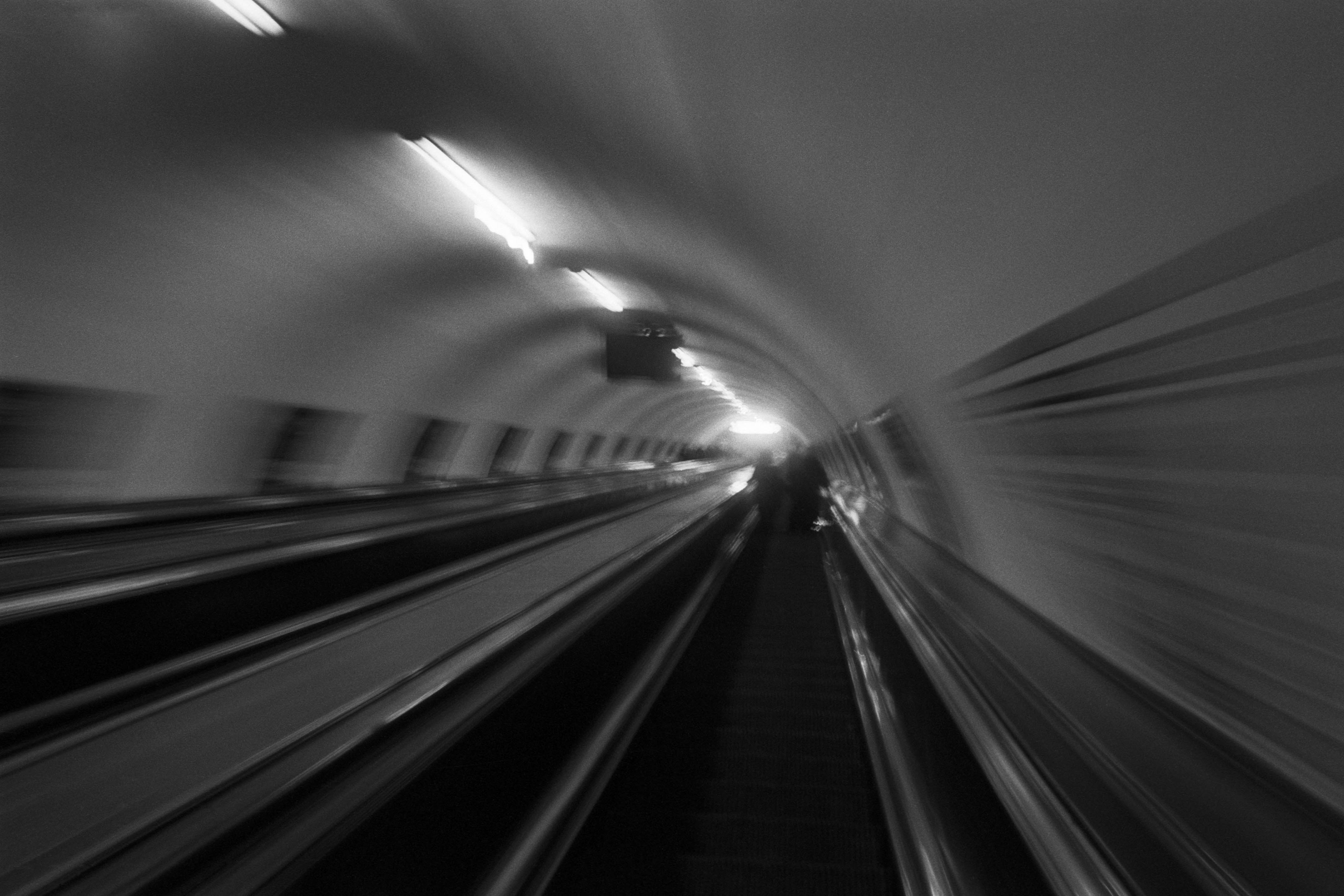
The Wall
2015Winner of the 1st prize & Golden Glass Award at the 11th Photographic Open Championship Olsztyn, and 1st place with the Special Prize of FORMAT magazine at the 3rd Biennial of Art in Piotrków Trybunalski.
View Series →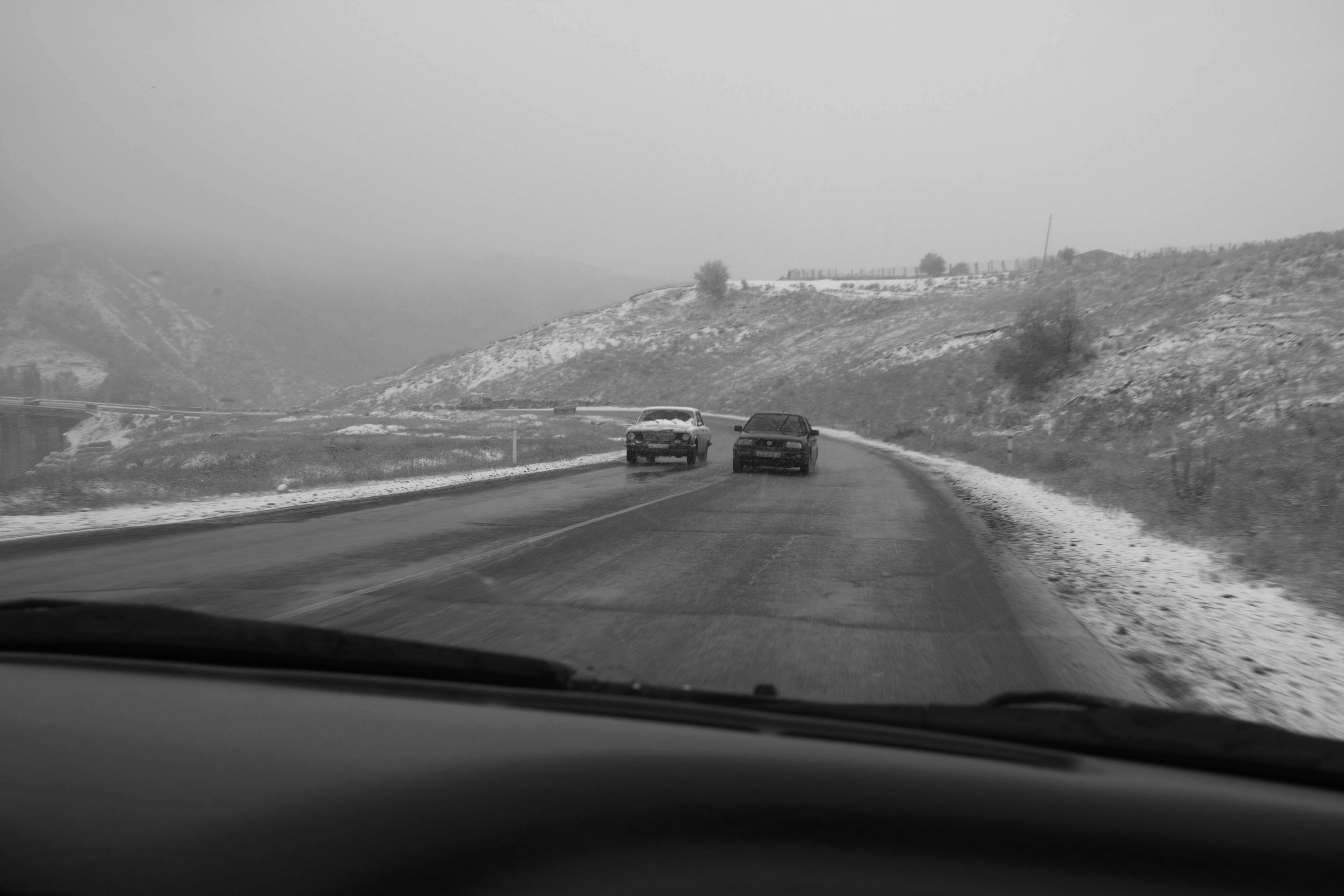
An Engagement Ring
2011A narrative series set in Wrocław in August 2011. Awarded 2nd prize & Silver Glass at the 10th Photographic Open Championship Olsztyn in 2014.
View Series →
Heat Wave
2014A documentary series recording spontaneous events across August and September 2014, capturing the raw energy of a city under the grip of summer.
View Series →