"Photography is not about the thing photographed. It is about how that thing looks photographed."
The Story Behind an Award-Winning Photograph
An award-winning photograph rarely begins with the moment the shutter is released. Its real story starts earlier, in the decisions that shape the image: what to remove, what to leave unresolved, how to direct a subject, and when to trust an imperfect frame. For me, photography is a conversation between preparation and accident, grounded in the physical qualities of film and refined through careful digital work.
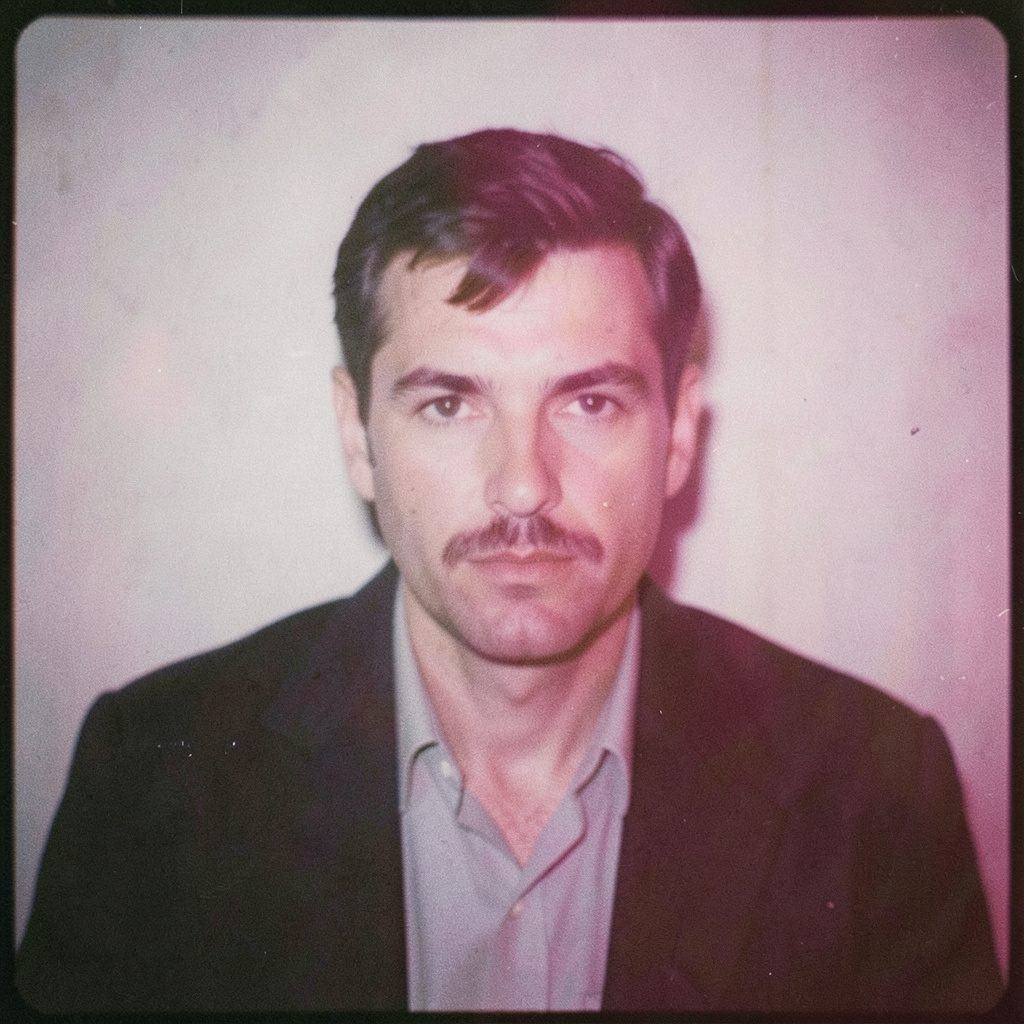
The photograph I am discussing here grew from that tension. It was made as a conceptual portrait, yet its emotional force came from ordinary human behaviour rather than spectacle. The subject, the location, the light, and even the mistakes became part of one visual language. Looking back, I can see how the final image was built through many small choices that would interest anyone commissioning a portrait, fashion story, or commercial series in Australia.
The Idea Before The Image
The original concept was concerned with identity under observation. I wanted to create a portrait that felt intimate without becoming confessional, and controlled without appearing artificial. Instead of presenting the subject as a polished professional, I looked for a moment when their public appearance seemed to loosen. The resulting image held a quiet sense of resistance, as though the person was deciding how much of themselves to reveal.
That distinction matters in portrait photography. A technically accurate face can still produce a lifeless picture if the person is simply performing for the camera. I began with conversations rather than poses, asking about memories, routines, and the environments in which the subject felt most comfortable. Those exchanges helped establish a visual direction while allowing the final expression to remain spontaneous.
The setting was deliberately restrained. A limited background, sculptural shadow, and carefully placed negative space gave the frame a contemplative quality. I was not trying to document a room or create a fashionable location portrait. I wanted the surroundings to function as psychological space, allowing the viewer to sense a story without receiving every detail.
Film, Texture And The Decision To Wait
I chose a medium-format film camera because its slower process encouraged attention. The larger negative recorded a subtle range of tones, from dense blacks to delicate highlights, while the physical size of the frame gave the portrait a calm, considered presence. Working with film also changed my relationship with time. Each exposure carried a cost, so I watched more carefully before pressing the shutter.
Black-and-white film was essential to the mood. Colour would have directed attention towards the room, clothing, and skin tones; monochrome reduced those distractions and concentrated the image around gesture, texture, and light. I wanted the photograph to feel outside a specific season or trend, with a visual character that could sit comfortably in a gallery, a printed publication, or a thoughtful brand campaign.
The decisive frame was not the most theatrical one. It arrived after the subject had relaxed and I had stopped trying to force the idea into place. There was a small shift in posture, a change in the eyes, and a pause that made the image feel psychologically open. That pause is often where the strongest portrait appears. A photographer has to recognise it quickly, but also create enough trust for it to happen.
The Unplanned Element
A controlled shoot can still benefit from uncertainty. During this session, changing light altered the contrast across the subject’s face. The shift was initially inconvenient because it moved away from the even, graphic quality I had imagined. Once I saw the new pattern, however, I understood that the harder shadow gave the portrait greater tension and made the subject appear less easily understood.
I have learned to respect difficult conditions because they can reveal possibilities that a plan does not contain. My reflections on shooting in extreme weather come from the same belief: preparation is vital, yet rigid control can prevent a photograph from becoming alive. Weather, unexpected movement, technical limitations, or a subject’s changing energy may all become meaningful parts of the final frame.
That does not mean accepting every accident. The photographer still has to decide whether an irregularity strengthens the image or merely distracts from it. In this case, the altered light gave the portrait a stronger internal structure. I adjusted the position of the subject, waited for the shadow to settle, and made fewer exposures. The photograph became more precise because I responded to the disruption rather than fighting it.
From Negative To Finished Print
The darkroom stage was where the image found its final rhythm. I processed the negative with attention to the balance between shadow detail and highlight density, knowing that the face had to remain legible without losing its mystery. A negative can contain a great deal of information, but the finished print depends on how that information is interpreted.
I made several test prints and changed the exposure in small increments. The difference between a grey, passive background and a deep, absorbing one was surprisingly slight in seconds, yet substantial in feeling. Dodging and burning allowed me to guide the eye towards the face while preserving the surrounding darkness. These techniques were not corrections in the narrow sense; they were part of translating the original emotional intention into paper.
The final digital file followed the same principles. Scanning the negative gave me flexibility for publication, exhibition submissions, and professional presentation, but I avoided excessive retouching. Skin texture, grain, and minor tonal irregularities helped retain the photograph’s physical origin. For commercial clients, a digital workflow can provide consistency across formats while still preserving the character of analogue capture.
Why The Image Resonates Across Markets
An image can win recognition for formal reasons, but its lasting value usually comes from emotional clarity. Viewers responded to the portrait because it left room for interpretation. They could read vulnerability, confidence, distance, or concentration into the same expression. The photograph did not explain the subject; it invited the viewer to spend time with them.
That quality is relevant to the Australian market, where visual communication often has to work across very different contexts. A founder in Sydney may need a restrained portrait for an annual report, while a designer in Melbourne may want something more experimental for a campaign. In Brisbane, Perth, or Adelaide, an event commission might require quick, approachable images alongside more considered editorial frames. The visual language changes, but authenticity remains valuable.
Practical expectations also shape a successful commission. Australian clients commonly need images supplied in several crops for websites, LinkedIn profiles, press releases, and social platforms. A portrait intended for a company profile may need generous negative space for copy, while a fashion image may be delivered for both print and mobile display. Planning these uses early protects the artistic concept from last-minute compromises.
Legal clarity is equally important. In Australia, copyright generally belongs to the creator unless an agreement changes that position, so a commercial client should discuss licensing, usage duration, territory, and exclusivity before the shoot. Privacy obligations can also matter, particularly when an organisation handles personal information or photographs people in sensitive settings. Clear releases and written terms protect the subject, the client, and the photographer without replacing the trust established on set.
Carrying The Method Into A Commission
The award-winning image changed how I approach commissioned work, but it did not make every shoot look the same. A business portrait should still reflect the person’s role and character, just as a fashion series should respond to its garments, styling, and audience. The transferable principle is to find a visual decision that serves the individual rather than applying a signature style mechanically.
For clients in Australia, planning should account for local conditions. Bright summer sun, sudden coastal weather, and strong ultraviolet exposure can affect both people and equipment, while interiors may shift quickly between window light and air conditioning. A session scheduled around an early morning commute in Sydney or a busy Melbourne workday also needs an efficient rhythm. People often arrive after coffee, public transport, or a long meeting, so a short period of conversation can be as useful as an elaborate lighting setup.
I bring analogue cameras, digital equipment, and a willingness to adapt, but the essential tool remains observation. Before shooting, I consider how the image will be used, who needs to feel represented by it, and what atmosphere will make the subject credible. The strongest result is rarely created by adding more equipment. It comes from removing distractions until the photograph can hold the attention of a viewer.
Principles I Carry Into Every Shoot
- Begin with a clear emotional intention, then leave room for an unplanned response.
- Choose film, digital capture, or a combination according to the subject and final use.
- Discuss licensing, privacy, delivery formats, and image usage before the session.
- Build enough time for conversation, especially when a subject is unfamiliar with being photographed.
- Treat changing light and weather as creative information rather than automatic problems.
The photograph’s recognition gave it a public life, but the lesson I value most remains private and practical: an image becomes convincing when every part of its making supports the same feeling. The concept, the waiting, the negative, the print, and the final file all need to speak together. That is how a single frame can move beyond documentation and become a lasting visual statement.
Selected Series
A cross-section of commissioned and personal projects spanning fine art, commercial, and conceptual work.
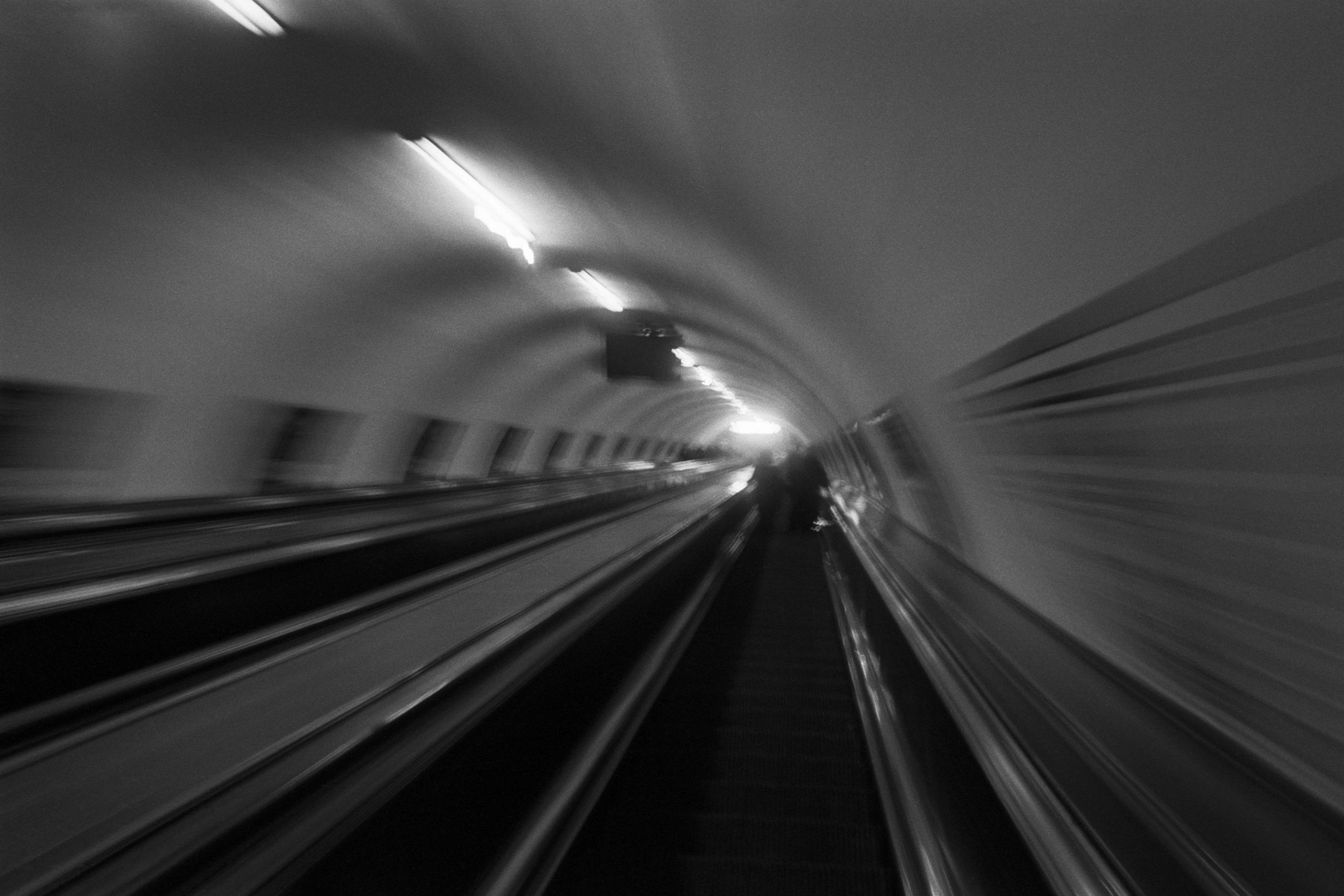
The Wall
2015Winner of the 1st prize & Golden Glass Award at the 11th Photographic Open Championship Olsztyn, and 1st place with the Special Prize of FORMAT magazine at the 3rd Biennial of Art in Piotrków Trybunalski.
View Series →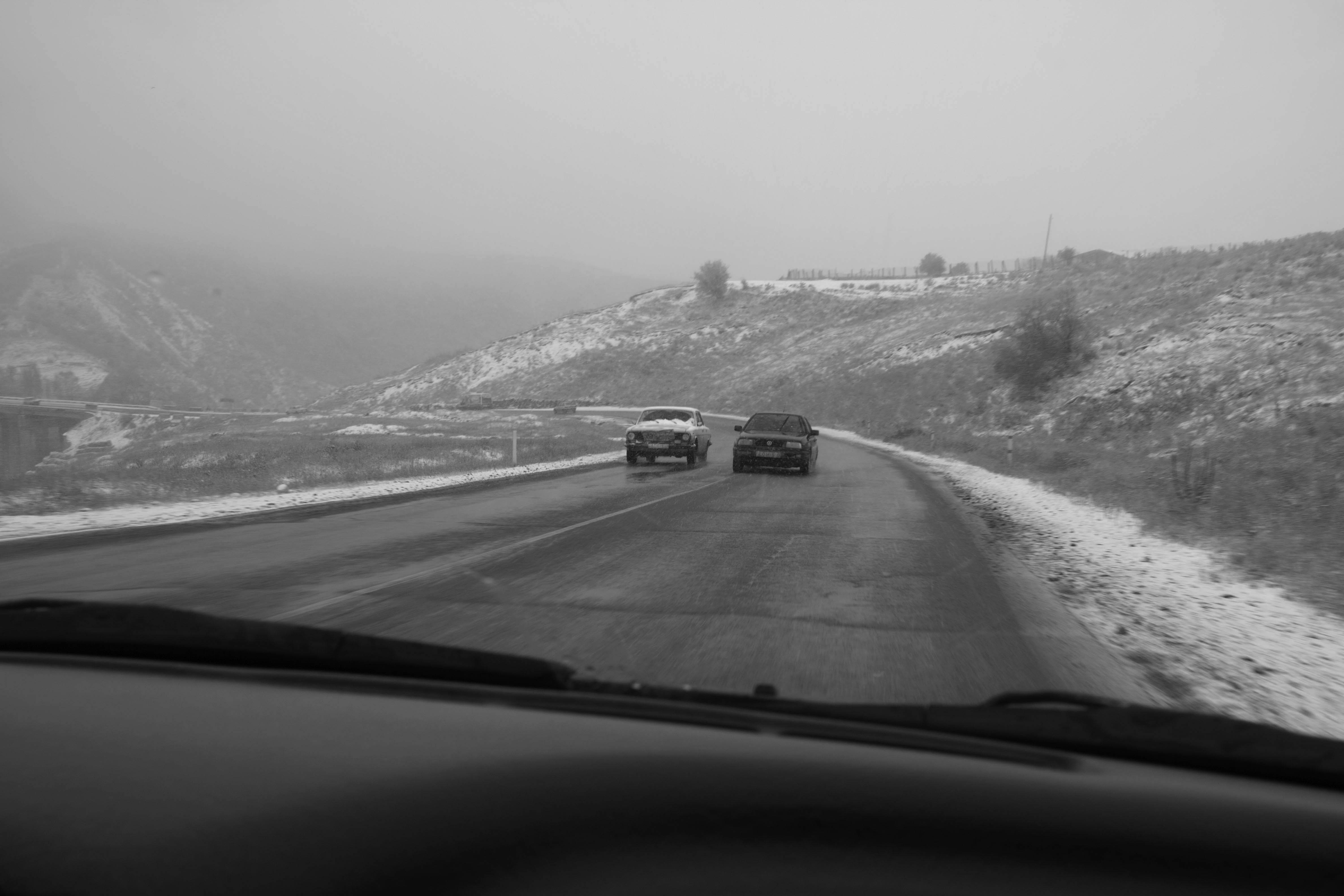
An Engagement Ring
2011A narrative series set in Wrocław in August 2011. Awarded 2nd prize & Silver Glass at the 10th Photographic Open Championship Olsztyn in 2014.
View Series →
Heat Wave
2014A documentary series recording spontaneous events across August and September 2014, capturing the raw energy of a city under the grip of summer.
View Series →