
"Photography is not about the thing photographed. It is about how that thing looks photographed."
The value of printing small: why size isn't everything
Size is often treated as a measure of value in photography. A large print fills a wall, commands attention, and appears suited to the importance of an image or the prestige of the photographer. Yet physical scale does not determine emotional depth. A small print can reveal subtle gestures, delicate tonal transitions, and compositional details that become almost invisible when an image is enlarged beyond its most effective proportions.
The value of printing small: why size isn't everything is ultimately a question of intention. It asks what the photograph needs to communicate, how closely it is likely to be viewed, and what kind of relationship should develop between the image and the person looking at it. For a Wrocław-based photographer working across fine art, portraiture, fashion, events, and conceptual series, small-format output is not a lesser option. It is a deliberate way of shaping attention.
Smallness rewards a slower encounter
A small photograph tends to create intimacy because the viewer cannot absorb it all at once. Its boundaries make the act of looking more deliberate. Rather than dominating a room, the print waits, drawing the eye through tonal contrast, gesture, texture, and carefully preserved areas of emptiness. The image becomes an encounter rather than an architectural feature.
This intimacy can be particularly effective in portraits. A closely observed expression may carry more authority in a modest frame than in a monumental enlargement. Business portraits benefit from this restraint because they often need to communicate character rather than status. A small, precisely printed face can suggest confidence, concentration, and individuality without becoming theatrical.
Small prints also resist the visual speed encouraged by oversized displays. When every detail cannot be grasped immediately, the viewer looks again. That repeated attention can make a quiet image deepen over time. Instead of delivering one emphatic impact, the work creates a sustained, contemplative rhythm.
Scale changes the emotional temperature
The dimensions of a photograph influence how its content is interpreted. Wide landscapes may feel immersive when printed large, while a narrow or vertical composition can become more concentrated and psychologically charged at a smaller scale. Reduction compresses visual information, removing distractions and making relationships between forms more pronounced.
This does not mean that every photograph becomes stronger when reduced. Some images depend on spatial immersion, architectural scale, or the physical impact of a broad panoramic field. A fashion image may need room for the movement of fabric, while an event photograph may derive energy from a crowd extending beyond the frame. The appropriate size is determined by the structure and purpose of each photograph.
A useful distinction lies between the image’s subject and its visual breathing space. If a portrait is surrounded by excessive paper or empty wall, attention may drift beyond the sitter. A smaller print can tighten that relationship. Conversely, an image built around isolation may require a little more space around its central form. Scale works best when it supports the photograph’s internal logic rather than disguising weak composition.
The print preserves touch, grain, and time
In my practice, analogue processes and darkroom principles remain central to how photographs are made and understood. Medium-format and black-and-white film encourage decisions about exposure, focus, grain, and tonal range before an image reaches the print. That physical history remains relevant when the final work is modest in size.
A small silver or pigment print can preserve the tactile character of the negative without making it appear merely miniature. Film grain becomes a quiet surface texture, while subtle gradations across skin, fabric, or atmosphere reward close inspection. The size of the print does not erase these material qualities; it often makes them easier to perceive.
Darkroom test strips and contact prints also offer a lesson in useful reduction. They show how information reads at different scales and which passages require more emphasis. A contact sheet may reveal the rhythm of a complete series, while a selected enlargement allows a single frame to unfold in detail. Working between those modes helps distinguish what a photograph contains from what it merely appears to contain at first glance.
The result is a print that does not compete with the original object for attention. Its smaller dimensions bring the viewer closer to the image itself: the edge of a shadow, the texture of skin, the density of a black area, or the slight tension in a gesture. Physicality is not added later as decoration; it is part of how the photograph communicates.
Choosing a size that serves the image
Size should follow the narrative, medium, and likely setting of the work. A conceptual series may work especially well as a group of small prints because repetition becomes more visible. The viewer can move between related frames, noticing changes in posture, setting, light, or memory. The individual images retain their independence while forming a larger mental structure.
This approach is explored in identity and memory, where the relationship between photographic series and personal history becomes central to the presentation. Small prints can encourage a sequential reading, allowing the viewer to notice links and ruptures rather than consuming each frame as an isolated illustration.
For commercial work, the same principle requires adaptation. A business portrait may be placed on a desk, in a reception area, or within a carefully designed office, where a smaller image can feel integrated rather than imposed. Fashion photographs can shift between detail and atmosphere depending on whether they are presented as editorial sequences or campaign images. Event work often gains clarity through selective framing.
Material choices matter as much as dimensions. Paper surface, black density, highlight detail, and mounting style all influence how a print is received. A deep matte black can lend a small portrait gravity, while a textured fibre paper may make a conceptual image feel more tactile. Framing can either extend the photograph into the room or preserve the intimacy of a self-contained object.
Small editions with lasting presence
Small editions offer another reason to consider modest dimensions. When each print is produced in a limited run, attention shifts toward the specific object in the viewer’s hands. The edition number, paper, process, and artist’s mark become part of the work’s identity. Scale and scarcity reinforce one another, but neither needs to become excessive for the piece to feel valuable.
A small print can also occupy space economically without appearing disposable. It may rest in a private collection, accompany a carefully edited body of work, or sit within a hotel, gallery, studio, or corporate environment. Its restraint allows it to coexist with architecture, furniture, and other objects. The photograph enters daily life without demanding constant attention, remaining available for repeated discovery.
This balance between visibility and accessibility is what makes small printing a serious creative decision. It can offer proximity, concentration, and material richness while avoiding the assumption that greater size produces greater significance. The most convincing small print does not look like a large photograph reduced for convenience; it feels complete at the dimensions chosen for it.
For viewers and subjects alike, that completeness creates a more meaningful relationship with the image. A photograph need not overwhelm its surroundings to hold a room. It can communicate through precision, intimacy, and the quiet confidence of knowing exactly how much space it needs.
Selected Series
A cross-section of commissioned and personal projects spanning fine art, commercial, and conceptual work.
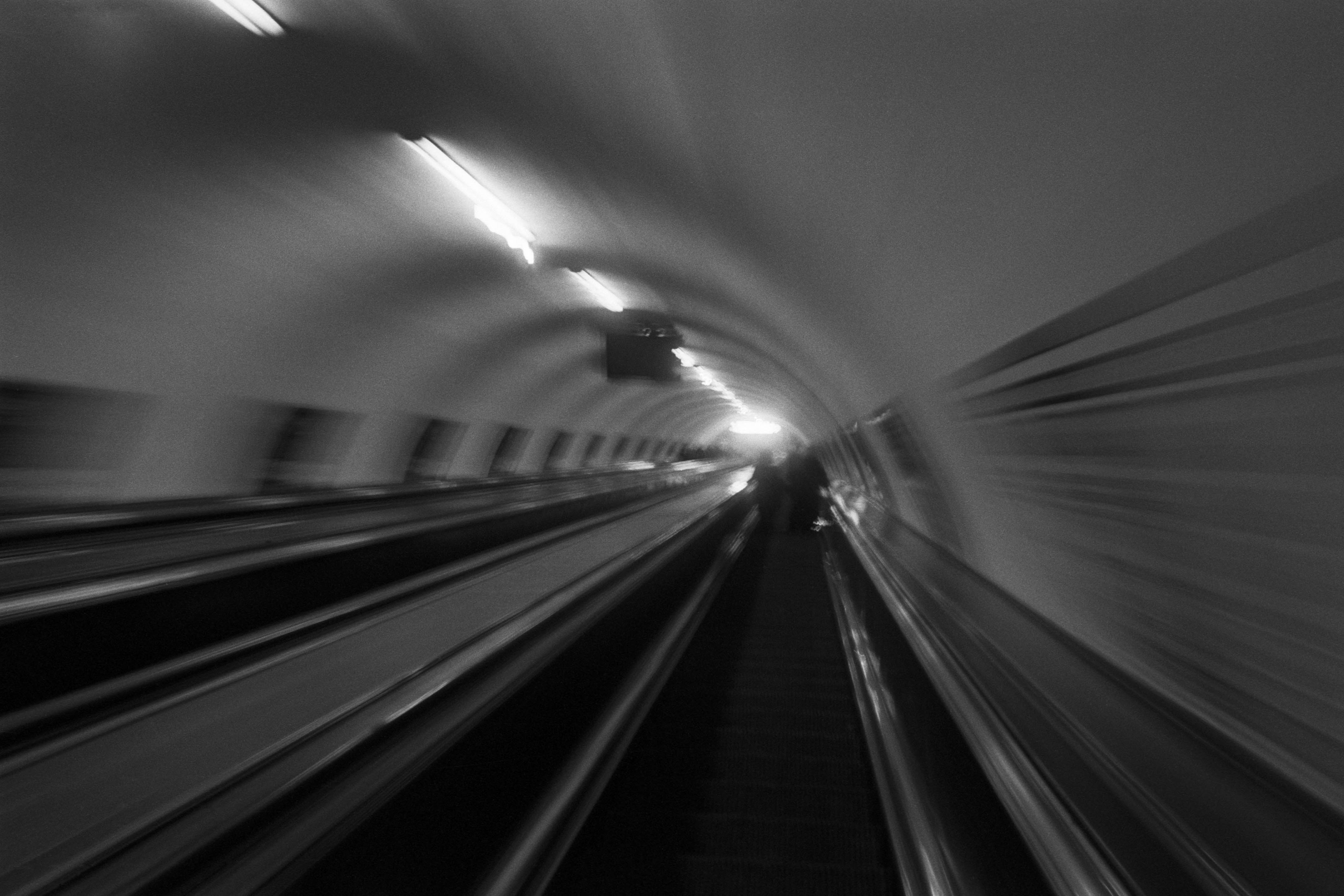
The Wall
2015Winner of the 1st prize & Golden Glass Award at the 11th Photographic Open Championship Olsztyn, and 1st place with the Special Prize of FORMAT magazine at the 3rd Biennial of Art in Piotrków Trybunalski.
View Series →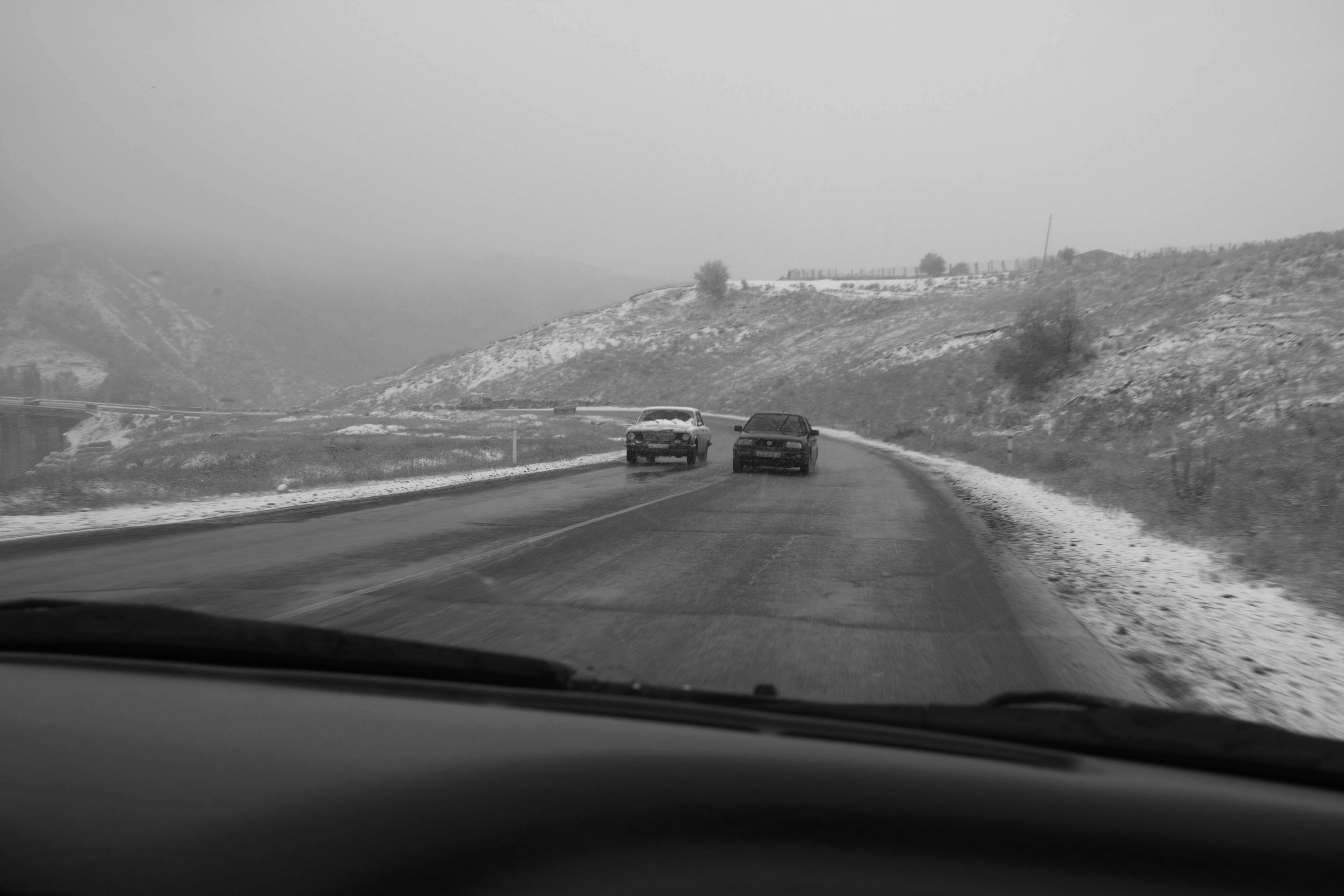
An Engagement Ring
2011A narrative series set in Wrocław in August 2011. Awarded 2nd prize & Silver Glass at the 10th Photographic Open Championship Olsztyn in 2014.
View Series →
Heat Wave
2014A documentary series recording spontaneous events across August and September 2014, capturing the raw energy of a city under the grip of summer.
View Series →