"Photography is not about the thing photographed. It is about how that thing looks photographed."
A portrait measured in years
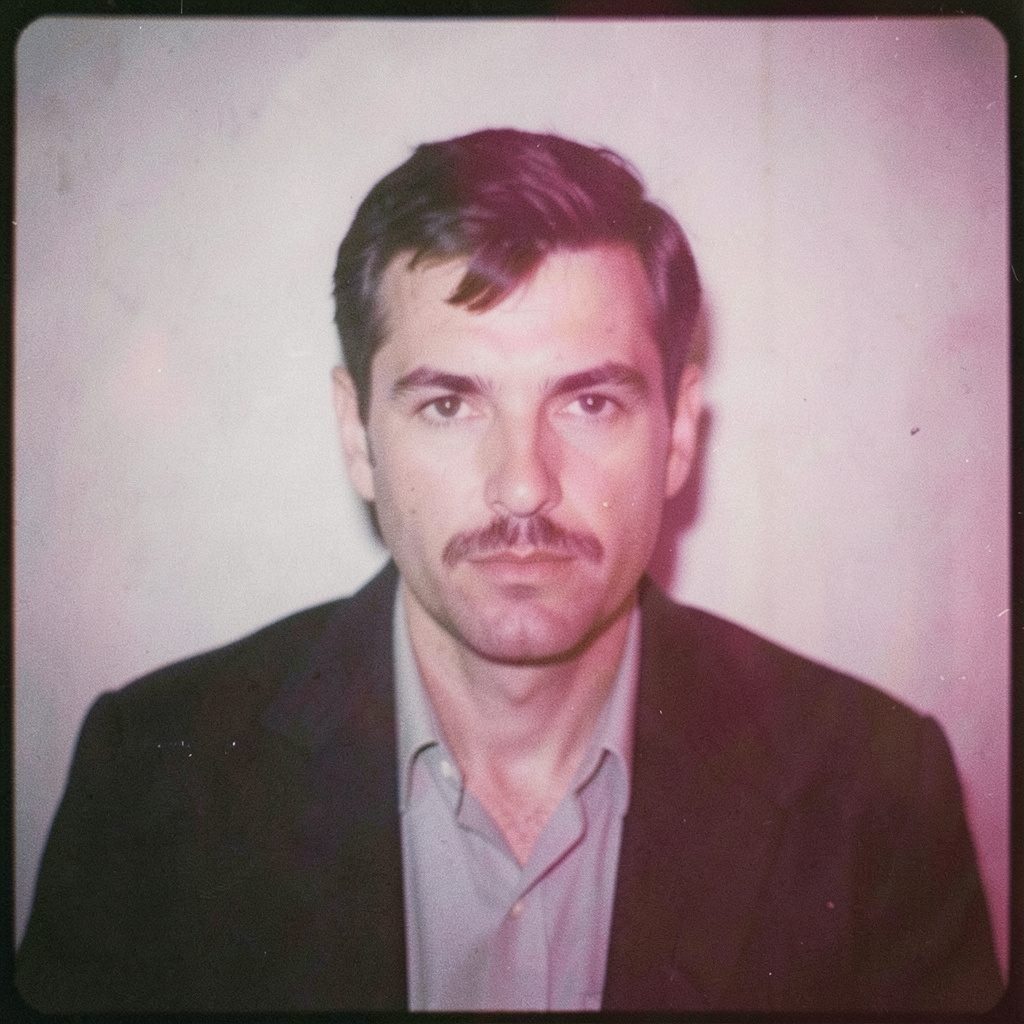
What I learned from photographing the same model over five years was not how to repeat a successful portrait. It was how attention changes when a first meeting becomes a working relationship. In 2019, a Melbourne creative director commissioned me for a campaign that needed a trustworthy, natural face. The brief called for polish without stiffness. Mara, a ceramicist with steady hands and an unhurried manner, gave us both.
The commission was meant to end with a polished image, but it became an annual studio ritual and then a five-year photographic series. I photographed Mara in Melbourne and Wrocław, first for commercial assignments and later for work with no immediate client. Across those years, I revised my idea of a good portrait. The camera recorded her face, but it also recorded the trust, hesitation and shared decisions that shaped each sitting.
The first session set the terms
Her first portrait was made in a converted warehouse studio in Collingwood, where the laneway outside carried the low rattle of trams and deliveries. The room had white brick, tall windows and a roller door that let in sharp rectangles of morning light. Mara arrived early, placed her bag on a stool and asked whether she should look serious. I had prepared two clean backdrops, a softbox and a black reflector.
The campaign brief wanted consistency, so we began with the safe language of commercial portraiture: shoulders squared, chin angled, eyes just off the lens. Mara was good at it. That was the problem. Her expression was composed but gave away nothing. When I showed her the first proofs, she said, “Good as gold, but it feels like a company profile.” Her plain Australian directness was more useful than a long attempt to coax a dramatic mood.
On the contact sheet, the technically strongest frame looked empty. I had softened the window light, corrected every stray hair and asked her to hold the expression for a fraction longer. The frame I kept returning to caught her lowering one hand after a pause. It was not beautiful in the conventional campaign sense. It was, however, the first moment when she seemed present rather than performed. I understood then that the project would depend less on a look than on how she and I worked together.
Trust arrived before the finished picture
By the second year, Mara no longer arrived as a collection of outfits and poses. She brought her own interests into the sessions, particularly the tactile process of making ceramics. In one Melbourne studio, we photographed her at a wheel, learning the rhythm of opening clay. She had adapted a beginners’ wheel-throwing guide for her own classes and was generous about explaining where beginners usually lose control.
That assignment changed the pictures. The circular movement of the wheel gave her hands a task, while concentration replaced the usual fixed smile. Instead of asking her to invent emotion, I could ask about the point where centred clay starts to wobble, or how pressure differs from speed. The resulting portraits felt less like illustrations of confidence and more like records of skilled work. Their quietness came from the activity, not from an effort to appear quiet.
Trust developed through conversation, including arguments. Mara sometimes rejected a frame I liked, saying, “That’s you, not me,” and she was right. Commercial clients valued the clean campaign image, so I kept those files and printed the more experimental frames for my own practice. This division was not a rejection of commercial work. It taught me that a commissioned portrait can meet a brief while the surrounding work develops a separate integrity.
Film exposed the performance
Film sharpened that trust because it removed the feeling that every second had to be captured. I used my 6×7 medium-format camera and black-and-white film for the personal series, developing the negatives in my Wrocław darkroom. A 400-speed roll gave me fewer exposures, but each one demanded a decision about gesture, contrast and the position of the body. A technically imperfect frame often held more life than the carefully corrected image.
The case for black-and-white in modern portraiture remains persuasive: without the distraction of colour, tone, texture and expression have to cooperate. Working this way also made me more deliberate about light. The pale wall beside Mara’s dark sleeve became a shape; the shine on wet clay became a small highlight; her face could move between almost nothing and deep shadow. I stopped thinking of black-and-white as a nostalgic filter and returned to its original purpose, organising attention.
The contrast between film and digital became useful rather than ideological. I used digital capture for campaign variations, colour references and fast selections, then applied those lessons to the film sessions. Film gave the series its pacing; digital kept the business responsive. Neither process was treated as morally superior. Each served a different question: whether the image could hold its character, and whether the client could receive the right version on schedule.
Darkroom work also changed how I evaluated a portrait before it became final. On a print, an expression that looked subtle on a screen could reveal itself as tension, while a small area of blocked shadow could swallow the eyes. I learned to protect those moments instead of correcting them into neutrality. Looking at Mara across five years, I noticed that a familiar face could become stranger and more specific at the same time.
The working notes behind the series
The photographs became more coherent when I recorded what happened around them. After each session, I made short notes on gestures, interruptions and choices that the final frame could not explain. The same list often provided the title for the next sitting:
- Her hands: Mara wiped clay from her fingers before touching her face, leaving a faint mark near her jaw that no retoucher would have missed.
- The pause: She looked toward the window before answering a question, and that brief shift often contained more presence than her posed expression.
- Her working voice: She discussed lighting as a working problem, asking for less glare and more room to move, rather than praising the equipment.
- The refusal: When an image felt too flattering, she said, “Leave it,” and I learned to protect that boundary even if a campaign wanted the opposite.
On the commercial side, the lesson was equally practical. Clear paperwork and a disciplined handover mattered as much as intuition in the studio. My working checklist now covers:
- Model release: Confirm the model’s identity, age and consent to the specific categories of commercial use being commissioned.
- Usage terms: Record the client, territory, duration, media and renewal conditions separately from the act of taking the photograph.
- Final files: Supply the agreed retouched master, selected crops, colour or monochrome derivatives, and an archived contact sheet.
These checks are not bureaucratic padding. They prevent a successful portrait from becoming awkward later, particularly when images made for one campaign are reused in another context. The same discipline now shapes my business portrait, fashion and event work: a clear brief, an agreed use and enough attention to let the person remain present.
Carrying the collaboration across continents
Melbourne’s light can change sharply between a cloudless morning and a cool afternoon, while Wrocław’s low winter sun enters a room at a completely different angle. I build a simple lighting plan into each session, then remain ready to abandon it. On one visit, the Melbourne sky darkened before lunch and we moved from the laneway studio to a window in a shared warehouse with a warmer practical lamp.
The travel also affected how we communicated. A small case of ceramic forms travelled from Melbourne to Wrocław for the later still lifes; one arrived chipped, and we kept the damage visible rather than disguising it with another object. Around the studio, our vocabulary stayed plain and practical. Mara might say, “That’s not quite it,” and I would ask what she saw. There was no need to turn the exchange into a performance of disagreement. Clear language gave the pictures more room.
The Australian market made the commercial boundaries especially visible to me. Melbourne agencies and independent art directors often work around hard launch dates, and a late change can affect the photographer, stylist and model. I now price studio time, travel and image usage before agreeing to a date, then keep the agreed terms in writing. For regional work, accommodation and travel time need to be allowed for; a metropolitan day is not a country day.
Remote reviewing helped, but it did not replace the studio. We scheduled review calls at hours that suited both of us, then made a final selection together on the day. That habit saved unnecessary reshoots and prevented a client favourite from overriding the portrait’s actual character. As our collaboration matured, the business process became less visible to Mara and more meaningful to me. Trust had entered the paperwork, not only the photographs.
The final frame was not an ending
In the fifth year, Mara arrived in Wrocław with the same wheeled case she used for her classes, now filled with new pots and two deliberately cracked test pieces. We met in a quiet studio with tall north-facing windows. Rather than repeat the first campaign setup, she asked to make something while I worked. I photographed her hands centring clay, then asked her to step away from the wheel and face the window.
The frame I chose was made during that transition. Her face was partly turned from the light, one hand still extended from the work and her expression carrying neither the careful smile of our first meeting nor the deliberate seriousness of the campaign brief. It felt unsettled because it was specific. I saw fatigue there, along with concentration and the ease of someone comfortable enough to be interrupted.
Looking back at the five years, I can see that the project produced two kinds of image: photographs made to a brief and photographs made through a relationship. Both require preparation, but they depend on different kinds of accuracy. A commercial portrait must satisfy its stated purpose. A personal portrait must retain the reason the photographer and subject kept meeting.
The lasting lesson was to protect that reason. Time did not make Mara more predictable; it made our working process more sensitive. I learned when to direct, when to wait and when to put the camera down. A photograph can remain visually consistent while the person inside it continues to change, provided the relationship has enough patience to notice.
Selected Series
A cross-section of commissioned and personal projects spanning fine art, commercial, and conceptual work.
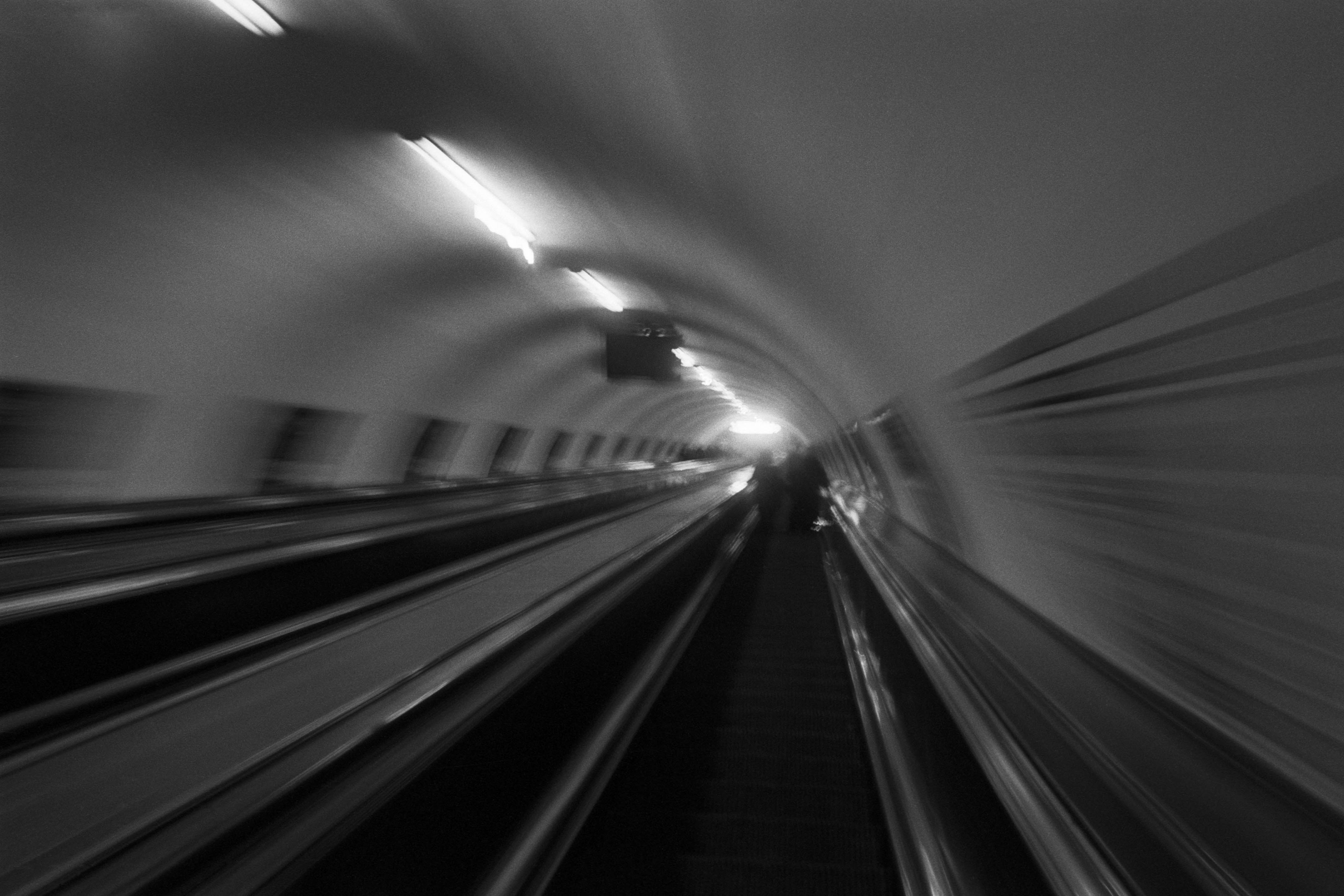
The Wall
2015Winner of the 1st prize & Golden Glass Award at the 11th Photographic Open Championship Olsztyn, and 1st place with the Special Prize of FORMAT magazine at the 3rd Biennial of Art in Piotrków Trybunalski.
View Series →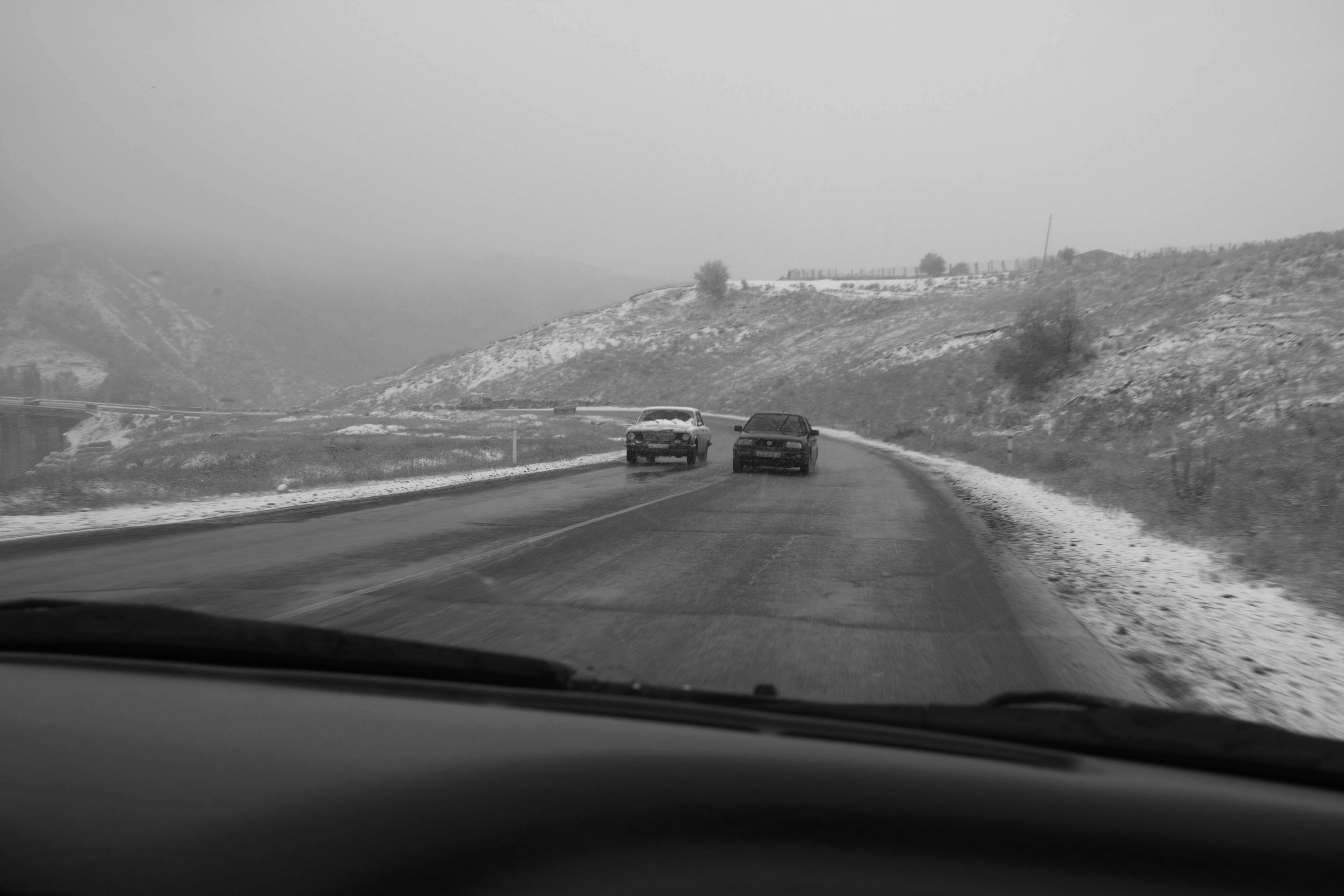
An Engagement Ring
2011A narrative series set in Wrocław in August 2011. Awarded 2nd prize & Silver Glass at the 10th Photographic Open Championship Olsztyn in 2014.
View Series →
Heat Wave
2014A documentary series recording spontaneous events across August and September 2014, capturing the raw energy of a city under the grip of summer.
View Series →