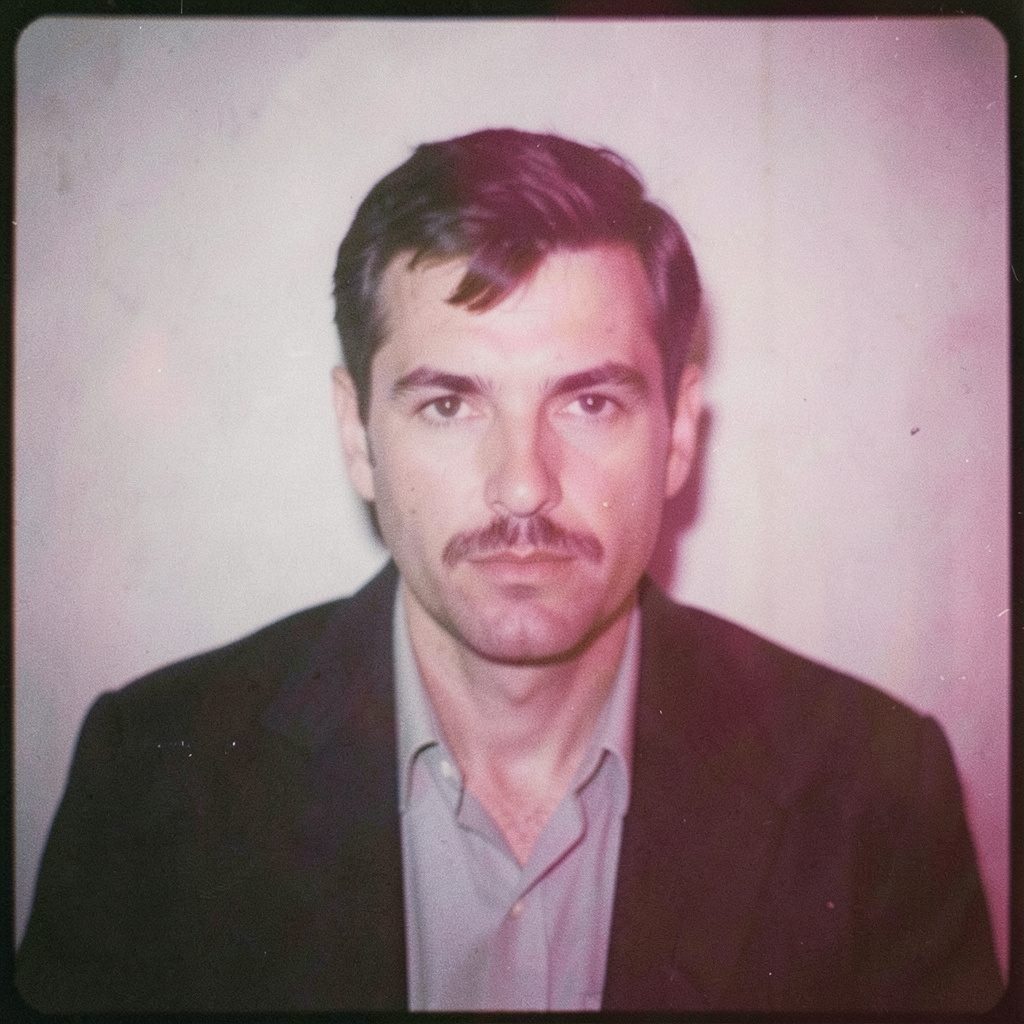
"Photography is not about the thing photographed. It is about how that thing looks photographed."
Why I Choose Film Over Digital for Personal Projects
My personal projects are the part of my practice where process matters as much as the final image. A commissioned portrait may need speed, flexibility and immaculate files, so digital is often the sensible tool. A personal series asks for something different: time to watch, wait and notice. When I pick up a film camera, I am choosing a slower relationship with photography, one shaped by finite exposures and the physical presence of light.
That relationship is especially valuable when I am working in Wrocław, but it travels easily into the Australian landscape I often encounter through travel and correspondence. The hard southern sunlight, sudden cloud along the coast and sharp changes between a bright day and a dim afternoon create conditions that reward attention. Film forces me to respond to those conditions rather than assume they can be corrected later. It also gives the photographs a subtle material character that feels connected to place.
I do not treat digital as an enemy or a lesser way of working. I scan negatives, adjust colour and make careful prints, using digital tools where they improve the result. My preference is about where the decisive creative act begins. On a personal project, I want the camera, the exposure and the darkroom to remain part of the conversation instead of delegating all decisions to an instant preview.
The same attitude changes how I meet people. Australians often describe their cities with an appealing directness, and conversations can move easily from practical matters to dry humour. Rather than filling every silence with a frame, a slower camera helps me wait for a glance, a gesture or the rhythm of speech. In Melbourne laneways, around Sydney’s coastal paths or during a long drive between regional towns, attention becomes the real subject of the work.
A Different Kind of Attention
Digital photography encourages abundance. I can make hundreds of frames and judge them on a display, but personal work usually grows in another direction. For an ongoing series, I need a limit that makes each exposure accountable. A roll of film places a visible edge on the project. Once those frames are gone, I cannot replace a missed gesture with a cleaner capture. That prospect concentrates the mind without turning the process into anxiety.
With a film camera, I also lose the luxury of instant technical confirmation. The meter may be right while the background falls into shadow or a pale dress catches every stray reflection. I have to read light rather than trust it completely. On a medium-format body, the focus screen becomes a tool for arranging planes rather than simply tapping a subject into focus. The camera asks for a physical fluency that develops over repeated use.
This kind of slowness can sound impractical until it is compared with the hidden cost of editing thousands of similar pictures. A personal project needs enough space for accident, surprise and reflection. Watching fewer photographs can reveal how I actually see. In Australia, that awareness is sharpened by light that changes quickly from one block to the next and by spaces that reward a measured walk. Looking becomes active work rather than passive framing.
Constraints That Encourage Seeing
The constraints of film sharpen judgment because they cannot be wished away. Shutter speed, aperture, reciprocity and the dynamic range of the stock determine what can survive. On location, I may choose a slower shutter to hold a little motion, expose for a bright sky and let a face sink into shadow, or decide that a silhouette tells the truth better than a fully rendered expression. These are physical decisions with consequences rather than effects applied afterwards.
A digital camera can rescue an awkward moment by capturing everything immediately, which is valuable in events and commercial work. In a personal series, that rescue can weaken the photograph’s meaning. A blurred hand may describe movement more honestly than a frozen yet artificial gesture. A clipped shoe or unexpected flare may expose the instant in which the scene exceeded my plan. I still edit the scan, but the raw negative retains evidence of the event rather than merely a record of my intent.
This approach avoids romanticising mistakes or praising damage for its own sake. I separate accidents worth investigating from errors that simply need repeating. A useful photograph can be imperfect technically and exact emotionally. I also find value in BHC Laysmith’s work as a reminder that clarity can arise from a point of view rather than from flawless surfaces. Film gives me a framework in which that point of view has to emerge through choices.
The Excitement of Not Knowing
The most unusual part of shooting film is the interval before I know whether an idea worked. Exposure offers a promise rather than proof. I may spend a day following someone through bright streets, return with a roll and remain unsure whether the pictures contain a series or a handful of unrelated observations. The wait strips away the satisfaction of immediate selection. It asks me to trust the process long enough for a clearer idea to emerge.
That uncertainty interrupts the completionism built into a digital workflow. It is easy to keep collecting, sharpening and replacing until every image behaves. A roll resists that pressure. On a contact sheet, repetitions matter: the same hand returns in a slightly different position, a background figure appears once too often, and the strongest frame may sit beside three quiet failures. Looking at all of them together reveals the story’s tempo as well as its gaps.
When I photograph conversation, the delay is especially useful. Australian speech often moves through understatement, a raised eyebrow or a quick “no worries” before returning to a practical point. Those small shifts can carry more character than a formal pose. Film makes me slow the exchange to two or three frames rather than firing at every movement. The goal is to avoid manufacturing spontaneity and instead notice when someone becomes natural because they have forgotten the camera is there.
Building an Analogue Practice
Film has made my digital editing more deliberate. The darkroom taught me that a print is not rescued simply by adding contrast everywhere. I decide which tones hold the story, where detail should remain and how much empty paper the image needs around it. Those principles transfer to screen work, even when the file arrives through a scanner. The key is selectivity: shaping relationships between values rather than applying the same adjustment to every photograph.
My own move from digital back to film was gradual rather than absolute, and the practical turns are described in My Journey from Film to Digital and Back Again. Film now sits beside digital rather than replacing it. Medium format gives me space and stillness; 35mm encourages movement and faster decisions. Black-and-white film is especially useful when colour would compete with gesture, shape or expression. I choose among these formats according to what the subject demands rather than which process appears more authentic.
In the studio, that means keeping a disciplined archive from exposure to print. I record the frame, lens, filter and meter reading, then scan at a colour-managed setting and make a contact sheet before choosing enlargements. A scanned negative is not the end of the analogue process. It is a new document that can be adjusted without erasing the original decisions. This hybrid workflow gives me continuity: the physical negative remains the source, while digital files make careful comparison, correction and long-distance presentation possible.
Keeping Film Personal
I keep analogue work away from the logic of constant content. A personal film project has a beginning, a period of silence and an end. I choose a subject, format and finite quantity of material, then allow the images to develop without an algorithm demanding novelty. This boundary is valuable in a culture where professional feeds reward speed and volume. A personal series can be slow because it is made to be looked at later rather than announced immediately.
Australian commercial briefs still reward responsiveness. Portrait, fashion and event photographers are expected to deliver a large edited selection quickly, support same-day previews and prepare crops for social campaigns. Digital workflows are central to that market, and I respect those expectations. Film belongs in the other part of the week: self-initiated studies, quiet portraits and long-form visual narratives that do not need to compete for immediate attention.
That separation also shapes how I work with other people. Film can encourage patience, but patience does not replace consent. I explain the pace, offer time and avoid treating cultural settings as sources of texture. Any project involving Aboriginal communities or culturally specific places requires permission, appropriate collaboration and attention to who controls the story. The final photograph matters, yet so does the trust that allowed it to exist. By choosing film for personal work, I protect a space where attention is deliberate, uncertainty is useful and the image has to earn its place after the frame is made.
Selected Series
A cross-section of commissioned and personal projects spanning fine art, commercial, and conceptual work.
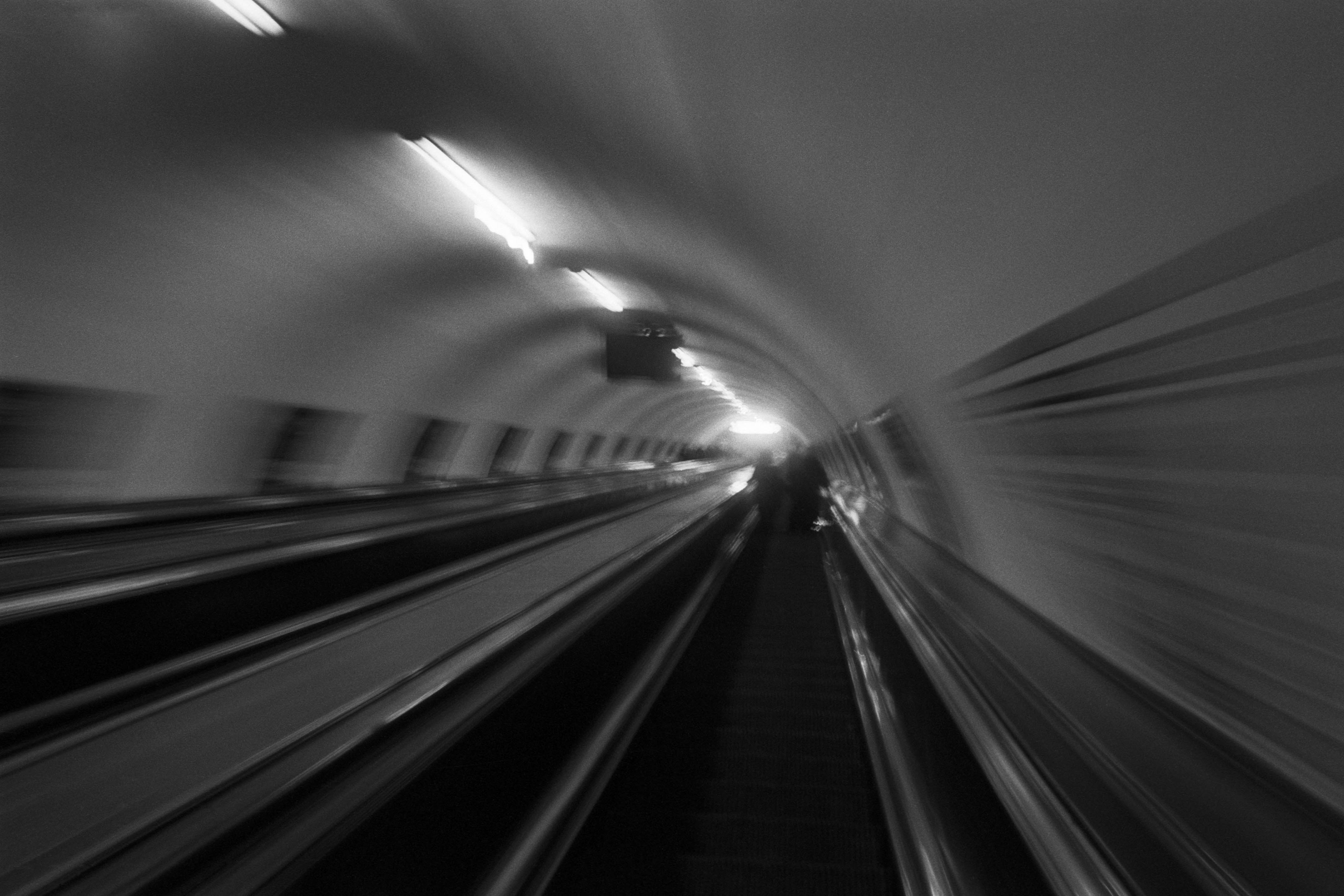
The Wall
2015Winner of the 1st prize & Golden Glass Award at the 11th Photographic Open Championship Olsztyn, and 1st place with the Special Prize of FORMAT magazine at the 3rd Biennial of Art in Piotrków Trybunalski.
View Series →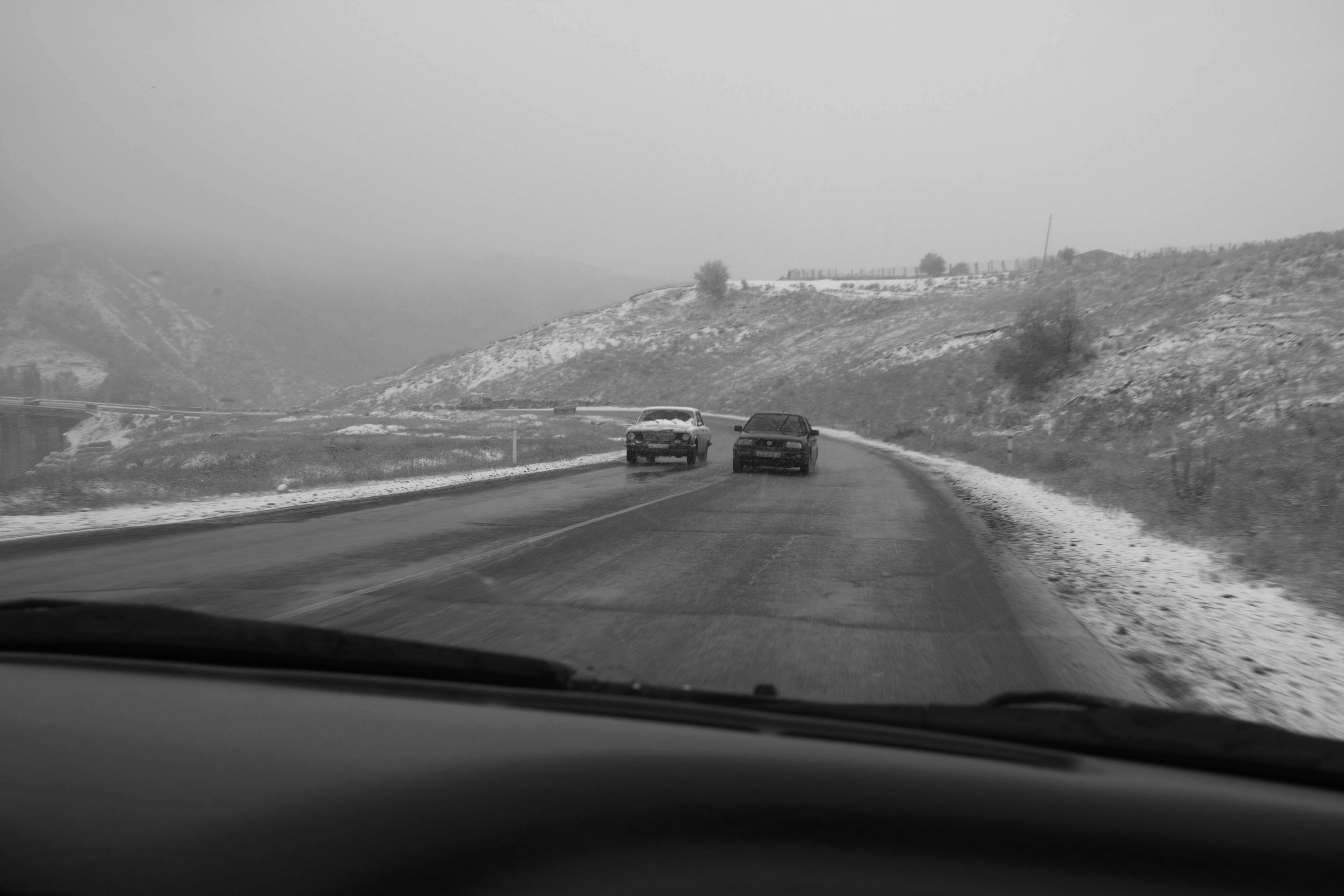
An Engagement Ring
2011A narrative series set in Wrocław in August 2011. Awarded 2nd prize & Silver Glass at the 10th Photographic Open Championship Olsztyn in 2014.
View Series →
Heat Wave
2014A documentary series recording spontaneous events across August and September 2014, capturing the raw energy of a city under the grip of summer.
View Series →