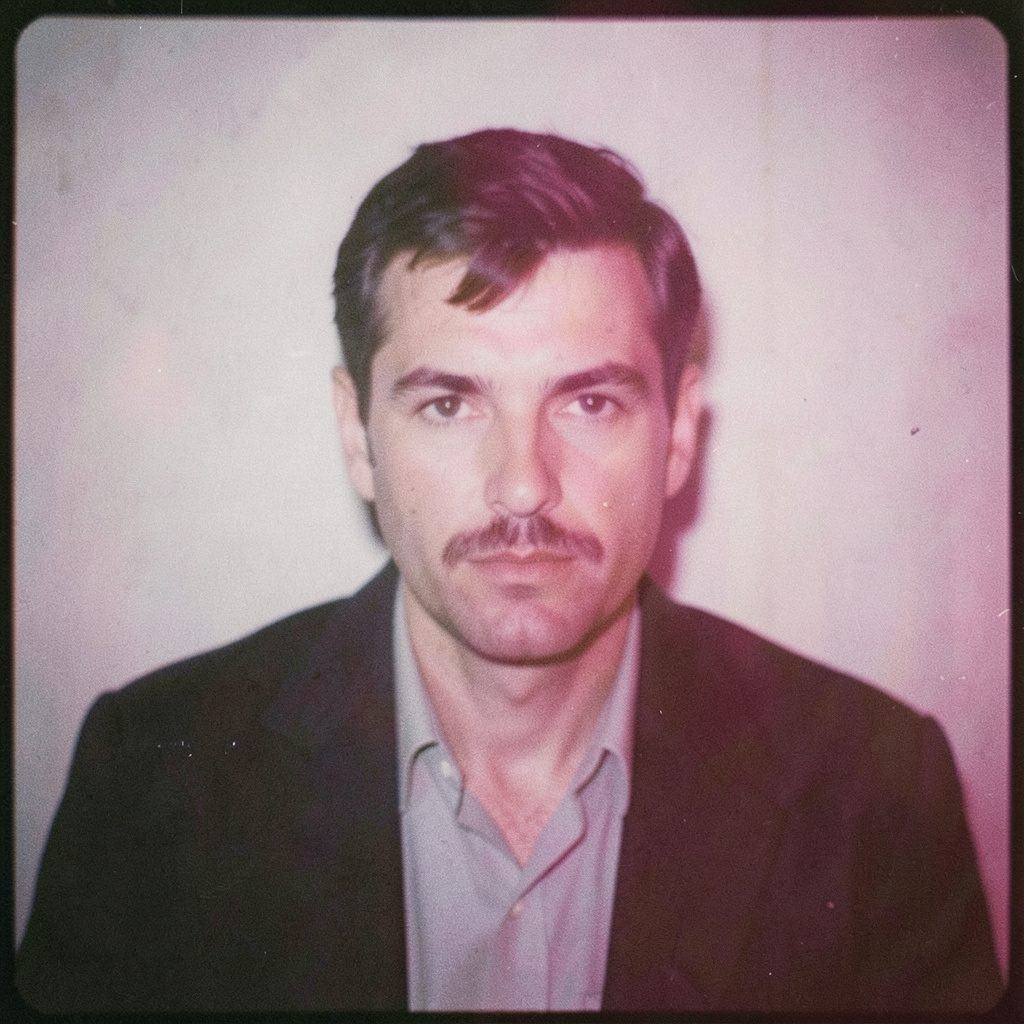
"Photography is not about the thing photographed. It is about how that thing looks photographed."
Why I Prefer Manual Focus for Portraiture
Portraiture is often described as a search for expression, but the photograph begins earlier, in the quiet decisions made before the shutter is released. Focus is one of those decisions. It determines whether the viewer meets a subject’s eyes, studies the texture of a face, or notices an intentional plane of softness around the figure. For me, manual focusing creates a more deliberate relationship between seeing and photographing.
My practice is shaped by medium-format cameras, black-and-white film, darkroom principles and digital tools used with restraint. Working in Wrocław, Poland, I photograph business portraits, fashion, events and conceptual series, adapting the process to each subject without losing its tactile character. Manual focus for portraiture is not a rejection of modern autofocus; it is a choice that gives me greater control over attention, timing and the emotional character of an image.
Focus Becomes A Creative Decision
Autofocus is exceptionally capable, especially when a subject is moving or a session needs to progress quickly. Yet the system makes decisions according to programmed priorities: an eye, a face, a contrast edge or a selected tracking zone. Those decisions are useful, but they may not correspond with the visual meaning I want to give a portrait. Manual focus keeps that responsibility in my hands.
When I turn the focusing ring, I am deciding which part of the person should carry the image. The nearest eye is often the natural choice, although a portrait may become more expressive when focus rests on the eyelashes, a hand, a piece of jewellery or the edge of a profile. A narrow depth of field can make a small shift significant. I prefer to make that shift consciously rather than accept the camera’s first interpretation.
This approach is especially valuable in conceptual photography, where precision is sometimes less important than controlled ambiguity. A face can emerge gradually from shadow, or a subject can appear suspended between sharpness and blur. Manual focusing allows that uncertainty to be designed rather than treated as a technical accident.
A Slower Pace Creates Better Presence
Portrait sessions benefit from moments in which nothing appears to happen. The subject adjusts their posture, breathes, looks away and then returns to the camera. These pauses can feel less productive in a fast digital workflow, but they often produce the most natural expressions. Manual focus reinforces that slower rhythm because each frame requires a small act of attention.
The process also changes how I communicate. Rather than photographing continuously while waiting for software to recognise a face, I observe the subject and anticipate the moment when posture, light and expression align. That anticipation helps build trust. A person sitting for a business portrait may initially offer a polished professional expression, but a quieter interval can reveal something more genuine.
This is relevant to Australian corporate portraiture, where a photographer may work with executives, founders or creative professionals during a tightly scheduled day in Sydney or Melbourne. Efficiency still matters, especially when a session is arranged around meetings. Manual focus does not mean wasting time; it means using the available time with a clear visual purpose.
Film Teaches The Value Of Commitment
Analogue photography makes the relationship between focus and commitment particularly clear. A roll of medium-format film contains a limited number of exposures, and each frame carries a material cost. There is no instant sequence of nearly identical images from which to select a safe option. The photographer has to assess distance, composition and expression before pressing the shutter.
With black-and-white film, tonal structure often becomes more important than colour information. A highlight on the cheek, the separation between dark hair and background, or the glint in an eye may determine whether the portrait feels alive. Manual focus allows me to place sharpness within that tonal arrangement, while the slower process encourages closer observation of texture and light.
The darkroom extends this discipline. When an image is developed and printed, small decisions become visible in a way that a quick screen preview may hide. Focus, grain, contrast and the shape of a shadow begin to work together. Even when I photograph digitally, I carry that analogue awareness into the session: every frame should have a reason to exist.
The Eyes Are Important, But They Are Not Everything
Contemporary cameras often prioritise eye detection, and for many portraits that is a valuable starting point. The eyes are central to communication, especially in a straightforward headshot. Still, a portrait is not always improved by maximum sharpness on both eyes. The direction of the gaze, the angle of the head and the relationship between the subject and background can all change the appropriate point of focus.
A fashion image may call for focus on a veil, a collar or the line of a shoulder. In an environmental portrait, the face might sit slightly outside the sharpest plane so that the location contributes to the story. For an event photograph, a hand holding a microphone or a gesture between two people can matter more than a perfectly sharp eye. Manual focus gives me the freedom to follow the idea of the image.
This is one reason collaboration matters. Hair, makeup, wardrobe and styling affect where attention travels within the frame. I value the practical exchange described in makeup artists and stylists, because a small adjustment to texture or silhouette can change the visual priority of a portrait. Focus then becomes part of a wider conversation between the camera and the creative team.
Manual Control Helps In Difficult Light
Portraits made in available light often contain mixed colour, reflections and uneven contrast. A window may create a bright strip across the face while the background remains subdued. A polished office can introduce reflections that confuse autofocus, and a dark studio set may offer too few reliable edges for rapid tracking. Manual focus remains predictable in these situations.
Australia offers striking examples of this challenge. The strong midday sun in Brisbane can create hard shadows and sharp highlights, while Melbourne’s changeable weather can turn a planned outdoor session into a study of soft cloud and sudden glare. In Sydney, a portrait near glass towers or the harbour may include reflections that compete with the face. I would rather work with those conditions deliberately than allow the focus system to jump between surfaces.
Manual focus is also useful when photographing through foreground elements such as curtains, plants or architectural openings. The camera may select the nearest object, even when the subject is meant to remain the emotional centre. By focusing myself, I can place the plane of clarity behind the obstruction and retain the atmosphere without losing the portrait’s intention.
The Technique Demands Physical Awareness
Manual focusing is more reliable when it is supported by an understanding of distance, lens behaviour and depth of field. I need to know how quickly a subject can move before leaving the sharp plane, how a particular lens renders an out-of-focus background, and how close I can work before the composition becomes unstable. These are physical questions, not merely menu settings.
On a medium-format camera, the appearance of shallow focus can be distinctive. The transition from sharpness to blur may feel gradual and spacious, giving the portrait a calm separation from its surroundings. On a digital camera, magnification, focus peaking and a bright viewfinder can assist, but they do not replace judgement. The final decision still comes from comparing the image in front of me with the image I am trying to make.
Concentration is part of the technique. I use a quiet internal sequence: establish the composition, estimate distance, refine focus, wait for the expression and release the shutter. That repeated sequence keeps the body involved. Reading about mental control methods also reminds me that attention is trainable; a portrait photographer’s focus begins with the ability to remain present.
The Right Choice Depends On The Assignment
Manual focus is not a rule that should govern every portrait session. A wedding reception, a live performance or an event in a crowded Melbourne venue may demand autofocus tracking and a high frame rate. When people are moving unpredictably, technology can protect the photographer from missed opportunities. The important point is to understand why a tool is being used rather than treating it as a measure of professionalism.
For a commercial campaign, the choice may depend on the client’s schedule, the movement required by the concept and the consistency needed across a series. Australian brands often work across large distances, with teams travelling between Sydney, Melbourne, Brisbane and Perth. A portrait session may need to deliver a precise set of images before a product launch or the end of the financial year. Manual focus can fit that environment when the visual language is controlled and the subject is positioned carefully.
In a business portrait, a clean connection with the camera usually matters more than a visibly experimental technique. I can use autofocus when it supports that connection, then return to manual operation when the composition becomes more exacting. The method should serve the portrait, the sitter and the assignment.
Precision Should Support Human Connection
The strongest reason I prefer manual focus is that it links technical precision with human attention. I am less inclined to photograph mechanically when I have to decide where the focus belongs. I notice the subject’s breathing, the tension in their shoulders and the instant when a guarded expression begins to soften. The camera becomes part of a conversation rather than a device operating at a distance.
That connection is important in every kind of portrait, from an artist photographed in a Wrocław studio to a professional preparing a LinkedIn image in an Australian office. A successful portrait should feel intentional without appearing forced. The viewer may never know whether the image was focused manually, but they can sense when the photographer was fully engaged with the person in front of the lens.
Manual focus for portraiture gives me a useful form of resistance against automatic habits. It slows the process enough to make each frame considered, while leaving room for instinct, accident and emotion. Whether the final photograph is a grainy black-and-white print, a carefully lit fashion image or a polished commercial portrait, the focus remains where it should be: on the relationship between vision and presence.
Selected Series
A cross-section of commissioned and personal projects spanning fine art, commercial, and conceptual work.
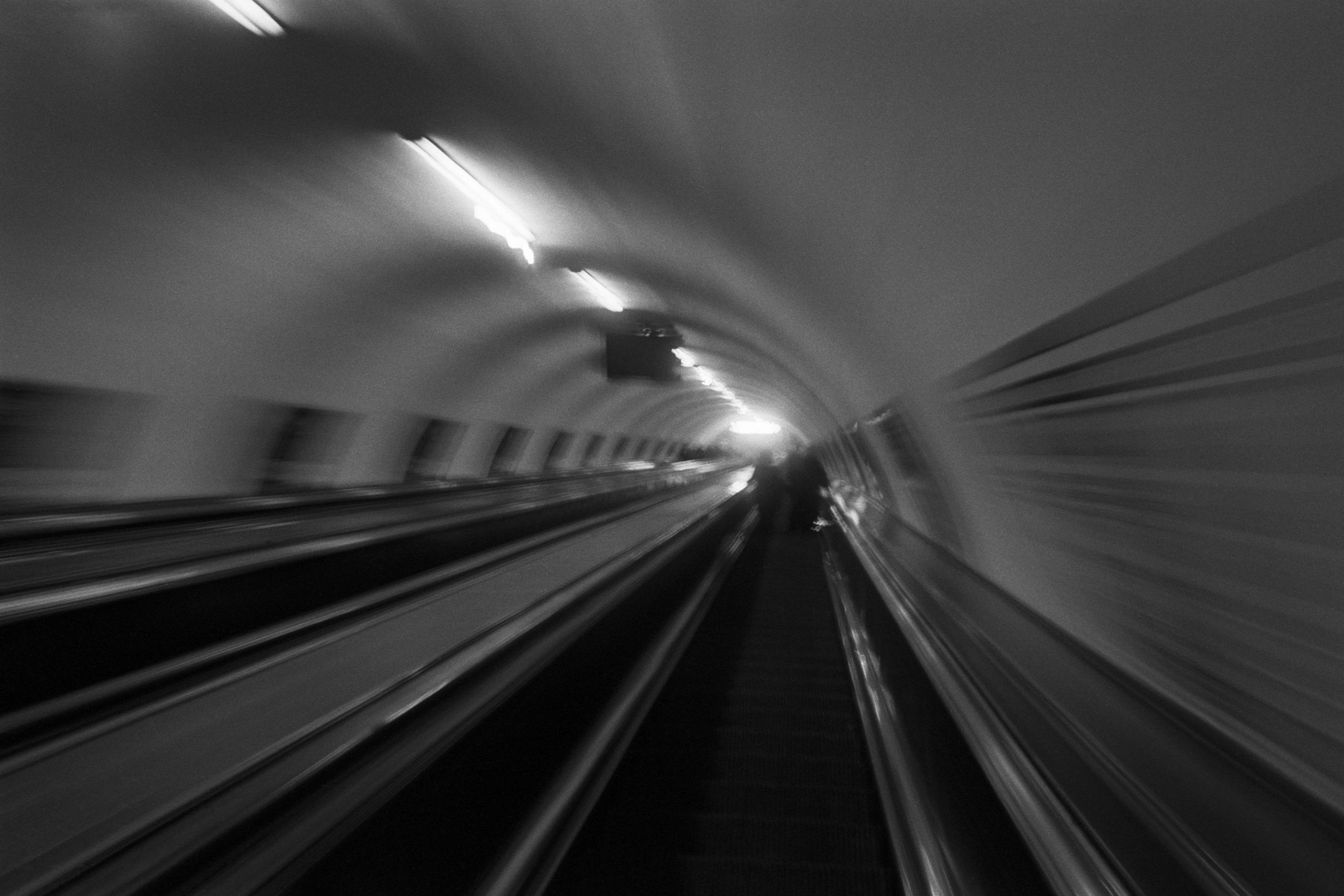
The Wall
2015Winner of the 1st prize & Golden Glass Award at the 11th Photographic Open Championship Olsztyn, and 1st place with the Special Prize of FORMAT magazine at the 3rd Biennial of Art in Piotrków Trybunalski.
View Series →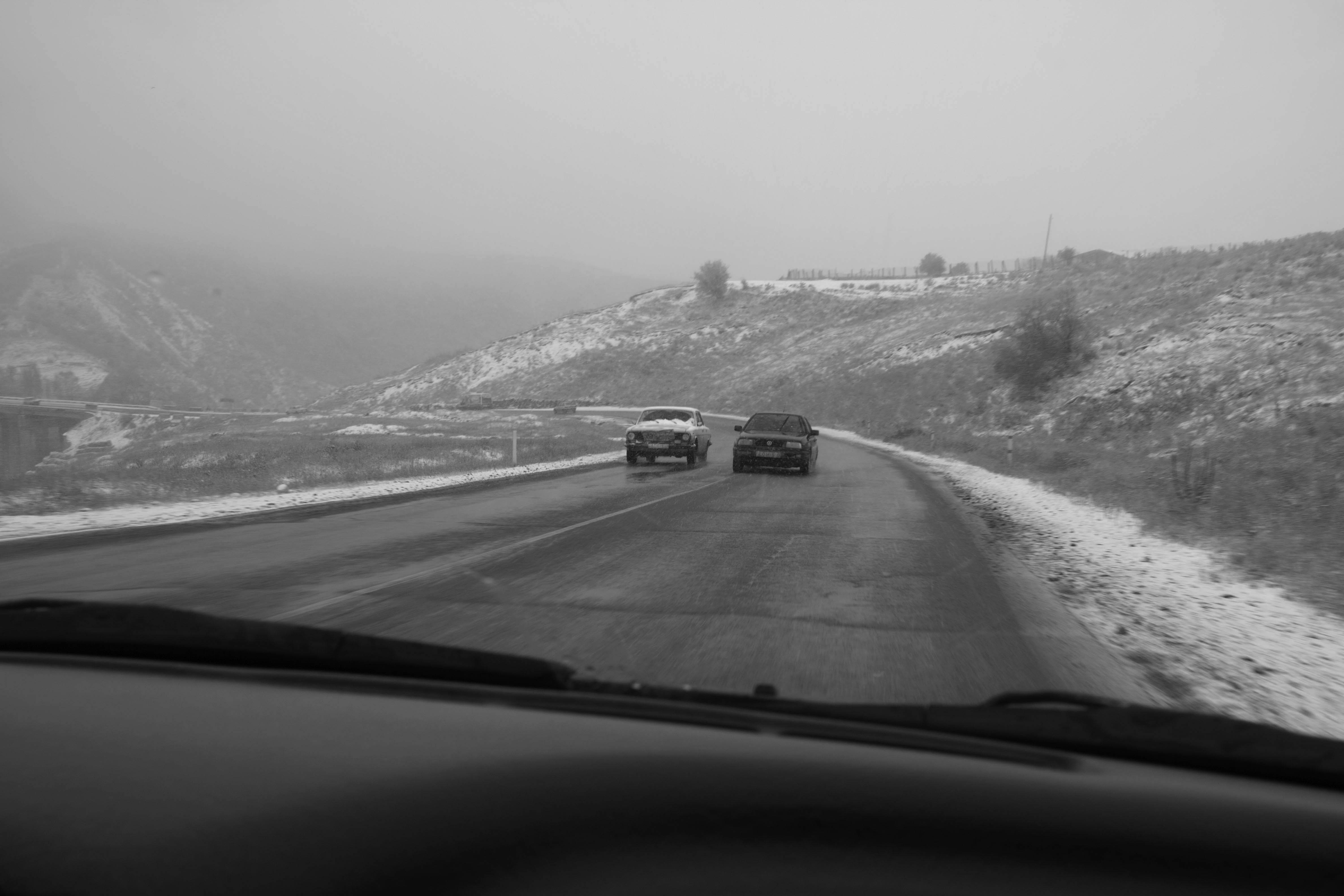
An Engagement Ring
2011A narrative series set in Wrocław in August 2011. Awarded 2nd prize & Silver Glass at the 10th Photographic Open Championship Olsztyn in 2014.
View Series →
Heat Wave
2014A documentary series recording spontaneous events across August and September 2014, capturing the raw energy of a city under the grip of summer.
View Series →