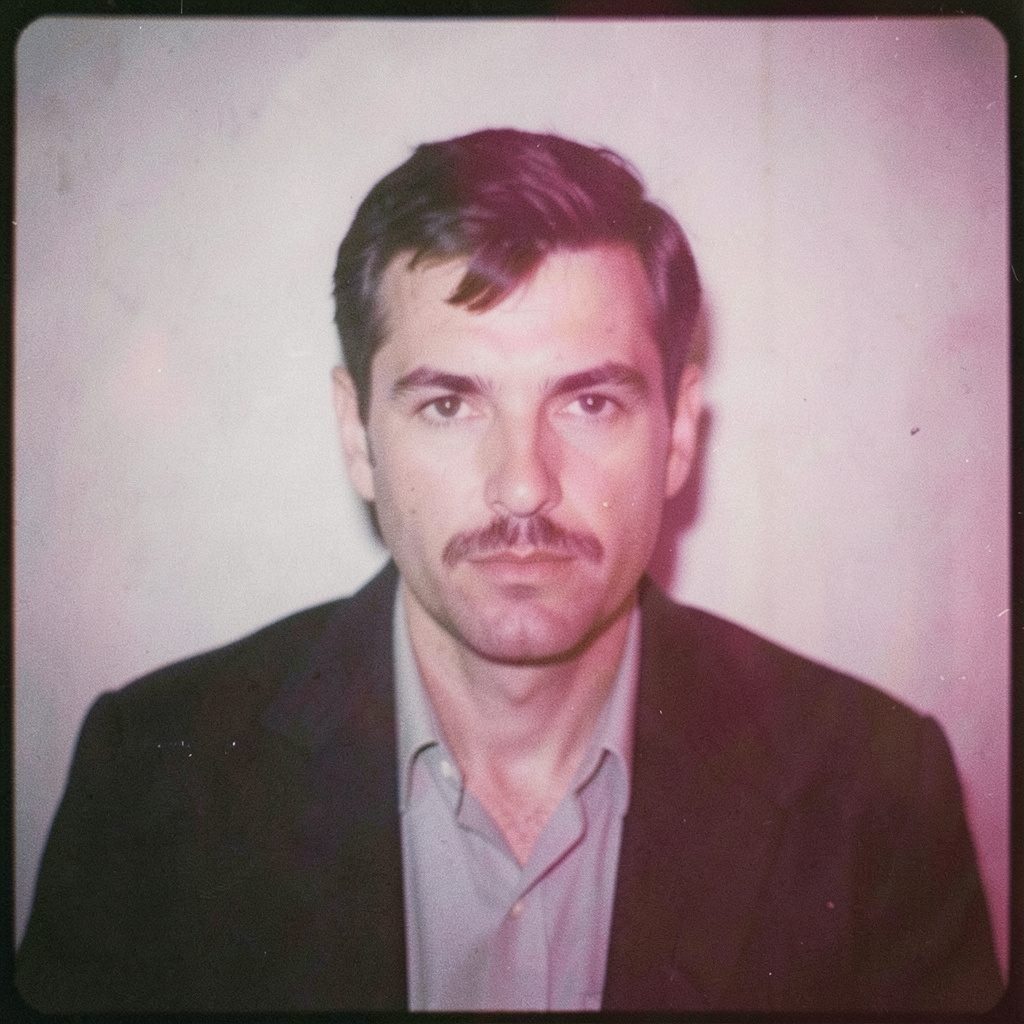
"Photography is not about the thing photographed. It is about how that thing looks photographed."
Why I Print My Own Work Instead of Using a Lab
I print my own work because a photograph should carry my judgment from first exposure to final surface. A negative, digital file and print are different stages, and each changes what a viewer sees. In my studio in Wrocław, Poland, I can move between analogue and digital methods without passing the image on when it becomes most revealing.
This is not an argument against professional laboratories. They remain essential for large-format work, high-volume production, specialist finishes and deadlines that outweigh close involvement. My reasons are continuity and accountability: self-printing lets me explain every decision behind an edition and prepare the physical object for the collector who receives it.
Keeping the image intact from capture to print
The first reason is continuity. I know why a portrait was lit in a certain way, which shadow in a fashion frame was deliberate, and how a conceptual scene changed between test and selection. Printing in my studio keeps that knowledge attached to the final object rather than sending it through a production chain I cannot fully see.
This matters in a mixed workflow. I work with medium-format and 35mm film, black-and-white silver gelatin prints and digital files prepared for reproduction. Film may be scanned and adjusted before output, while a traditional darkroom print can be reached through dodging, burning, contrast control and careful development. A lab may execute the last stage superbly, but I retain a fuller understanding when I make the print and respond to what appears on paper.
Learning from the surface, not the screen
A calibrated monitor is an excellent control tool, yet it cannot show every texture, black and tonal shift I need to judge in a physical print. Test strips and small black-and-white proofs expose relationships hidden on a backlit display. For colour work, I evaluate skin, fabric or painted surfaces under consistent light instead of trusting one bright screen.
Paper changes the image. Matte cotton rag can give a portrait quiet depth, while smoother baryta may hold detail in deep shadows and reflective fashion materials. Black-and-white paper bases also behave differently, and the same file can produce a softer silver print and a more assertive pigment print. Choosing the stock is part of composing the photograph, not merely selecting a container for it.
For an edition, I aim for consistency of intent rather than mechanical sameness. Small differences in density or texture can occur, especially with darkroom work. I inspect every sheet, sign the approved examples and record dimensions and paper. That makes variation visible and deliberate.
Taking responsibility for the whole object
A fine art print is more than an image deposited on paper. Its quality depends on the substrate, ink or silver process, trimming, edition information and the frame protecting it. By making the print, I can specify these elements as one considered object and tell a buyer which archival claims are justified instead of using “museum quality” as vague decoration.
Permanence still requires evidence. I check manufacturer data for lightfastness and tonal stability, then frame work with acid-free mounts and suitable glazing. No paper or ink is immune to every environmental risk. Light, humidity, handling and poor framing materials can damage an excellent print. Self-printing gives me direct responsibility for preparing the print for those realities.
The object must also survive its journey. Australia’s distance from Europe means a collector in Melbourne, Sydney or Brisbane may receive it after international freight, local couriers and installation. I pack and document the work for that route and advise on glazing and conservation. Control gained in the studio has to carry through the final handover.
Why the slower rhythm produces better work
Printing gives an image time to reveal itself. In the darkroom, a first proof may be accurate in exposure yet crowded in shadows; on a colour print, a face can look balanced on screen and lose its warmth on paper. Another proof lets me compare alternatives under neutral light and decide what to alter. This feedback loop rewards attention rather than speed.
The same principle applies to digital practice. A calibrated profile, controlled soft proof and physical tests may take longer than uploading a file and approving the first result. They reduce the chance that a series will look coherent only on my monitor. For a conceptual body of work, consistency also concerns sequence, scale and visual rhythm, so I judge prints together rather than in isolation.
My account of producing a conceptual series shows how planning, shooting, selecting and printing feed into one another. Self-printing keeps those decisions in the same hands and lets me revisit an image after seeing it at actual size. The process is close enough to notice what needs work.
Where a laboratory still makes sense
Self-printing is a commitment, not a purity test. A commercial photographer must consider deadlines, paper stock, colour consistency and the number of prints required. For a large campaign, busy event or oversized installation, an experienced production lab may provide equipment and staffing that would be inefficient to duplicate. It may also be right when a client values standardised turnaround over an artist-led edition.
For business portraits and fashion commissions, I explain the production route before the shoot. Where appropriate, I prepare the masters, approve the visual direction and use the workflow that gives the client the strongest result and a reliable delivery date. The agreement covers proofs, specifications, revisions and responsibility, rather than claiming every sheet must be made in one room.
The distinction becomes practical when several prints are needed for the same setting. I can maintain control of the key exhibition print while coordinating copies, alternate crops or oversized elements with specialist production. The market rewards reliability, honest communication and work that meets the brief.
Working with Australian galleries and collectors
Australian art markets combine direct sales, independent galleries, commercial photographers and commissioned projects. Melbourne’s Collingwood and Sydney’s Surry Hills contain galleries and studios with different tastes and audiences, while collectors elsewhere in the country often compare work online before viewing it in person. Accurate specifications and strong photographs of scale are therefore especially valuable.
Climate is a local reality that cannot be ignored. Sydney and Brisbane bring stronger UV and humidity than many European visitors expect, while Melbourne can move from dry heat to damp conditions within a week. Direct sunlight in a living room or office can matter more than wall colour. I explain glazing and placement and recommend conservation advice for valuable work instead of a generic frame package.
The language of buying here is refreshingly plain: “What paper is it on?” “Is that price framed?” and “Is the edition recorded?” Clear answers matter, especially because GST treatment, framing inclusions and delivery terms can vary. Australian A-series paper sizes suit common frames, though custom sizing may suit a particular space. My responsibility is to state those choices plainly, whether I meet a collector in a gallery or correspond from Wrocław.
A clear route from commission to collection
Good commissioning begins before the camera is lifted. The artist and client should agree on purpose, scale, installation, edition status, budget and approval route. That shared brief prevents a technically correct photograph from becoming difficult to use.
- Define the edition before production: total size, numbering, whether the proof counts, and how signatures or certificates are handled.
- Specify the paper or substrate, printing process, dimensions, finish and expected colour or tonal character.
- Approve one physical reference print at final size when possible, then use it to guide colour, contrast, cropping and framing decisions.
- Keep a production record for each edition, noting materials, printer, dates, approval decisions and the placement of each signed print.
- Choose glazing, mounts and frame dimensions for the display site, with attention to Australian UV, humidity and handling conditions.
- Agree who is responsible for printing, packaging, insurance, freight, installation and the point at which the work becomes the collector’s property.
Printing my own work is an act of responsibility. It does not guarantee a better photograph or make laboratories redundant. It places the camera, edit, material choices and final surface within one accountable practice, producing work I can stand behind wherever it is displayed.
Selected Series
A cross-section of commissioned and personal projects spanning fine art, commercial, and conceptual work.
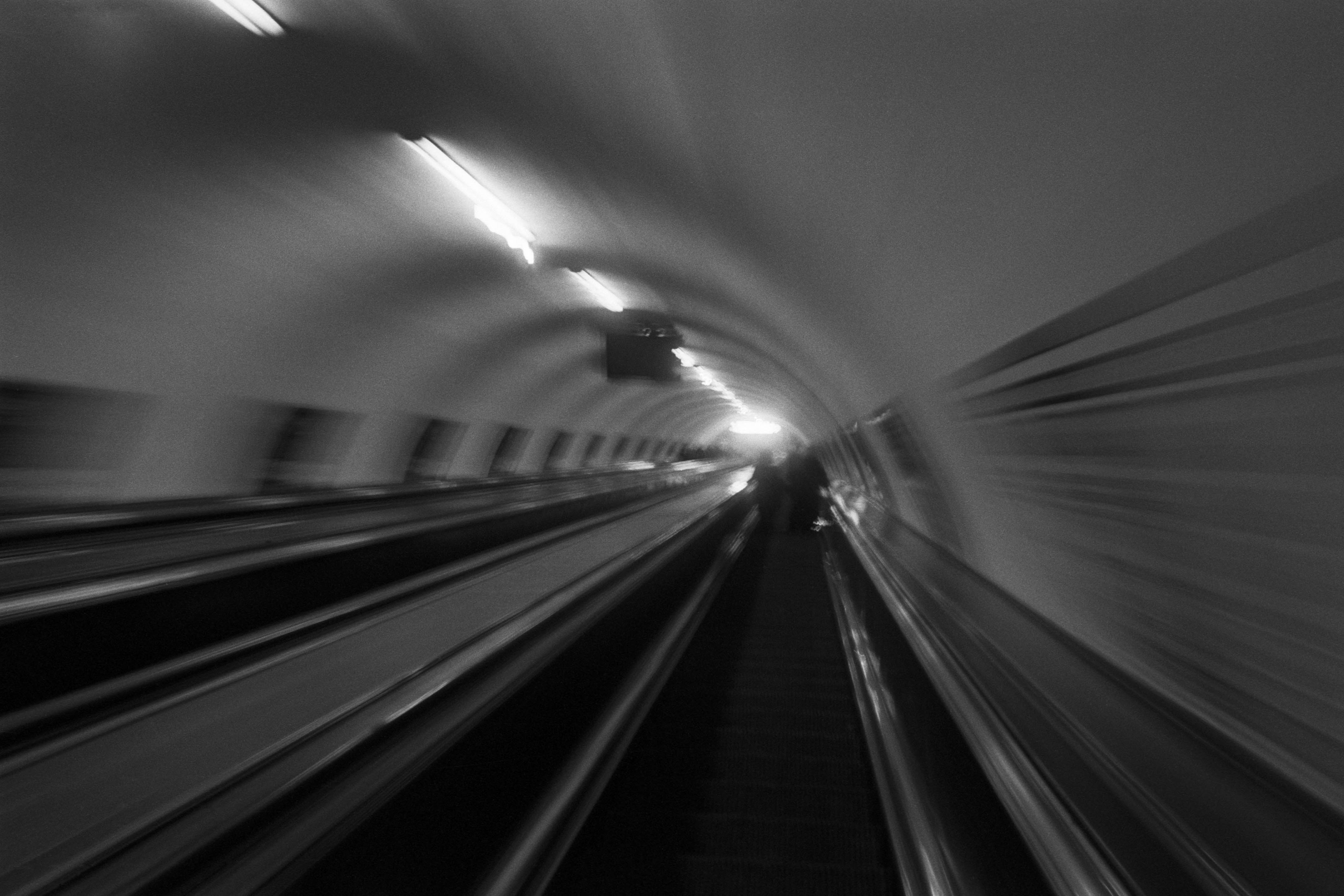
The Wall
2015Winner of the 1st prize & Golden Glass Award at the 11th Photographic Open Championship Olsztyn, and 1st place with the Special Prize of FORMAT magazine at the 3rd Biennial of Art in Piotrków Trybunalski.
View Series →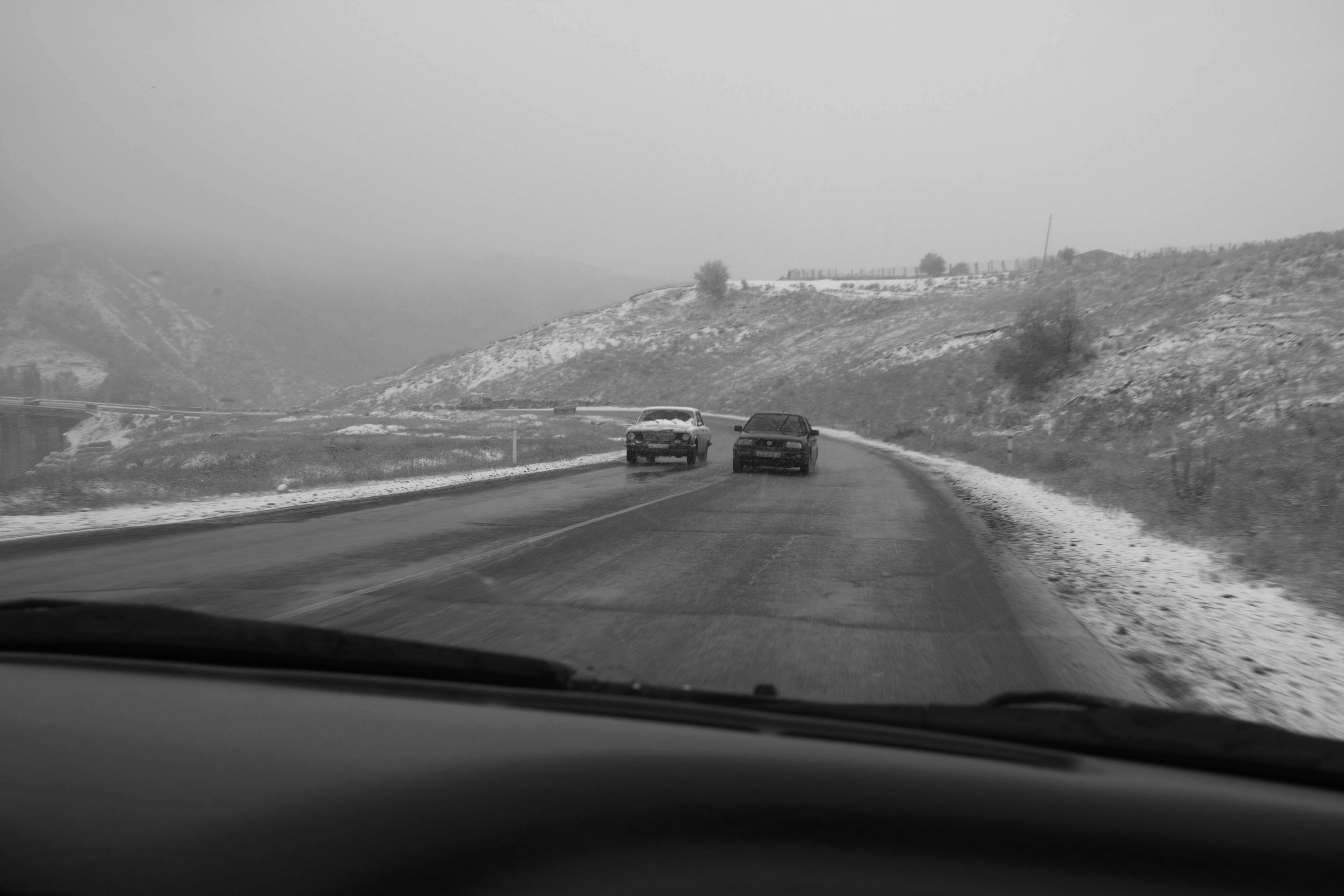
An Engagement Ring
2011A narrative series set in Wrocław in August 2011. Awarded 2nd prize & Silver Glass at the 10th Photographic Open Championship Olsztyn in 2014.
View Series →
Heat Wave
2014A documentary series recording spontaneous events across August and September 2014, capturing the raw energy of a city under the grip of summer.
View Series →