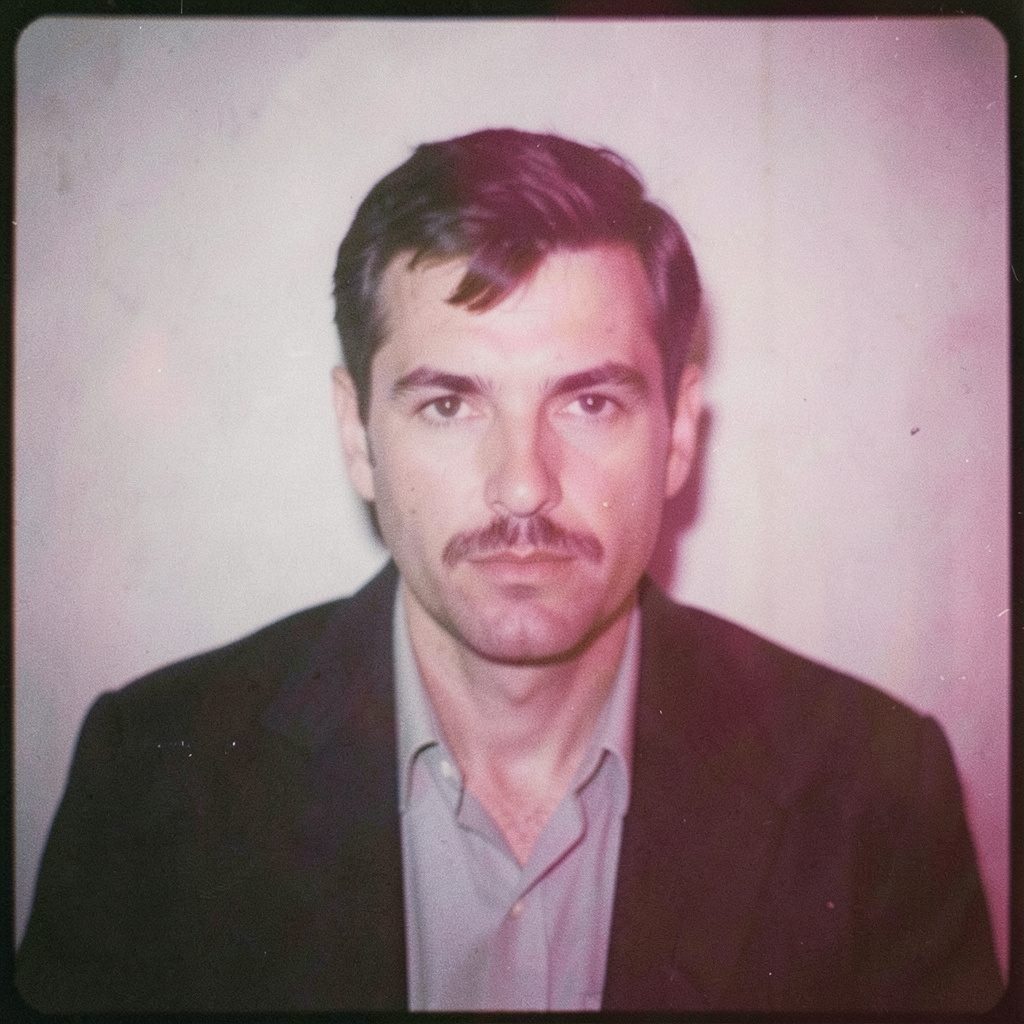
"Photography is not about the thing photographed. It is about how that thing looks photographed."
Why I return to the same location year after year
Every year, I return to a location that has become an unlikely anchor for my photographic practice. The place is not tied to a single event or preserved like a studio backdrop; it changes with rain, frost, foliage, construction, and the movement of people through it. I return because familiarity makes subtle change visible. What looked ordinary on the first visit can acquire weight months later, and a composition that once felt accidental begins to suggest a deliberate frame. Based in Wrocław, I have learned that repetition can turn an ordinary place into a subject capable of holding an entire series.
A recurring visit offers more than a familiar composition. It gives me a reference point for slow looking, allowing experiments to accumulate instead of beginning from zero. Some images emerge from patient observation; others depend on chance. Between those extremes lies the process I value most: preparing for a place, then waiting for it to exceed the plan. My fine art and commercial photography therefore share a common interest in attention, continuity, and the emotional credibility of a photograph.
Familiar ground, changing light
The first reason to revisit a familiar landscape is that light is always unfinished. Morning haze, a hard winter sun, and the reflected glow of wet pavement create different structures inside the same space. A wall that dominates in December may disappear in June. A path may look severe in black and white, then soften when a single band of color survives. By returning across the seasons, I stop asking whether a location is beautiful and begin asking what kind of beauty it can hold at a particular moment.
The landscape also keeps a record of use. Temporary signs disappear, paths become more worn, new fences appear, and vegetation gradually covers features that were once obvious. These alterations challenge my visual memory. I may remember a corner as empty, only to find it compressed by parked cars, scaffolding, or the shadow of a tree that did not exist during my previous visit. The discrepancy between what I remembers and what I sees gives each photograph a quiet tension.
Seen through repeated visits, the place stops functioning as a backdrop and begins to behave like a participant. It directs attention toward edges, interruptions, and passing figures. I become aware of relationships that a single visit would conceal: the way one opening frames another, how a human silhouette relates to a line in the architecture, or how weather alters the apparent depth of a street. The location accumulates visual knowledge, while I accumulate experience of looking at it.
Memory becomes material
Repetition changes the emotional register of the photographs. A first encounter often carries a sense of discovery, but later visits contain memory in their physical structure. The space reminds me of previous walks, failed frames, conversations held nearby, and decisions about what not to include. Those associations do not need to be illustrated literally. They enter through rhythm, scale, and the arrangement of forms within the frame.
I do not treat the archive of past visits as fixed. When I return to the same setting, earlier photographs become reference points rather than answers. Sometimes I confirm an original instinct; sometimes I recognize the mistake that prevented a stronger image. A negative space that once seemed empty may now reveal the exact position of the subject. A building that appeared dominant may become less important because I have begun noticing what happens behind it. The work develops through this dialogue with my own previous perception.
This process also prevents nostalgia from deciding the outcome. Familiarity can make a place feel complete in memory, whereas the camera records it as it actually exists. I am attracted to that gap between remembered order and present disorder. It gives the annual series continuity without turning it into a repetition of identical pictures. The subject remains recognizable, yet each photograph retains the uncertainty of a specific day, hour, and atmosphere.
Analogue patience, digital precision
My work begins with analogue habits because they slow the act of seeing. Medium-format and black-and-white film encourage me to work with a limited number of exposures. Instead of taking many nearly identical frames, I have to decide what deserves to remain on the negative. The restriction creates concentration: one tree, one passerby, one patch of light, or one carefully balanced relationship between open and closed space.
Film also changes the relationship between looking and acting. The sound of the shutter, the physical distance of the viewfinder, and the wait for processing make each frame feel consequential. I examine contact sheets for unexpected sequences rather than only the strongest individual photograph. A quiet image beside a decisive one may establish the rhythm of the final series. Errors become part of the evidence, showing how the location was understood at that moment rather than how it was intended to appear.
Darkroom principles remain important even when the final workflow includes digital capture, scanning, and editing. A controlled print reveals tonal relationships that a bright screen can conceal. I check whether the blacks hold detail, whether a midtone carries enough texture, and whether the contrast produces depth instead of flattening the scene. Digital tools give me precision, but the habit of making a physical print keeps my attention on photographic values rather than software settings. For this recurring body of work, that combination of material process and measured correction provides a useful balance.
What clients gain from continuity
A recurring venue offers commissioned clients something different from a new location chosen for novelty. The second visit already contains information about light, sound, traffic, access, and the way people move through the space. That knowledge shortens preparation and allows more time for the photograph itself. For business portraits, fashion imagery, and event coverage, this reliability helps create a calm working environment, which is especially valuable when the requested result must feel spontaneous.
That same patience matters in professional work, where building client trust begins with explaining how the place, available light, and planned movement will shape the final photographs. Clear expectations reduce the need to direct every visible gesture. A client can understand the visual logic of a location before stepping into it, making the session more collaborative and less dependent on unexplained corrections.
Continuity also improves the ability to solve practical problems. On a return visit, I know which areas remain usable after rain, where the sun reaches later in the day, and which angles can isolate the subject from distractions. If the first choice fails, the alternative is informed rather than improvised. The result may look effortless to the client, but the ease comes from accumulated observation. Repeated locations can therefore become valuable creative assets, provided each visit remains responsive to the people, purpose, and changing conditions of that particular commission.
A place that grows with the work
Over time, the photographed location develops a parallel history. It appears not as one idealized scene but through a sequence of fragments: an empty path, a figure at its edge, architecture under difficult weather, and details that gradually connect into a larger visual account. The photographs preserve change without reconstructing it in a single decisive moment. Their meaning comes from what can be understood across distance and across years.
Each return also clarifies which motifs belong to the place and which came from my own visual habits. A shape may initially seem characteristic of the site, only to appear elsewhere and reveal itself as part of my composition. The location becomes a mirror as well as a subject. It exposes preferences, blind spots, and recurring ways of framing. This self-awareness is useful in an award-winning fine art practice because it turns a personal project into an ongoing examination of how photographs are made.
The point of returning is therefore not to secure a perfect repetition. It is to create enough continuity for difference to become legible. The same street, field, or piece of architecture can hold contradictory moods, and those contrasts give the series depth. I return because the frame is never quite the same, and because the place keeps a record of my looking.
Selected Series
A cross-section of commissioned and personal projects spanning fine art, commercial, and conceptual work.
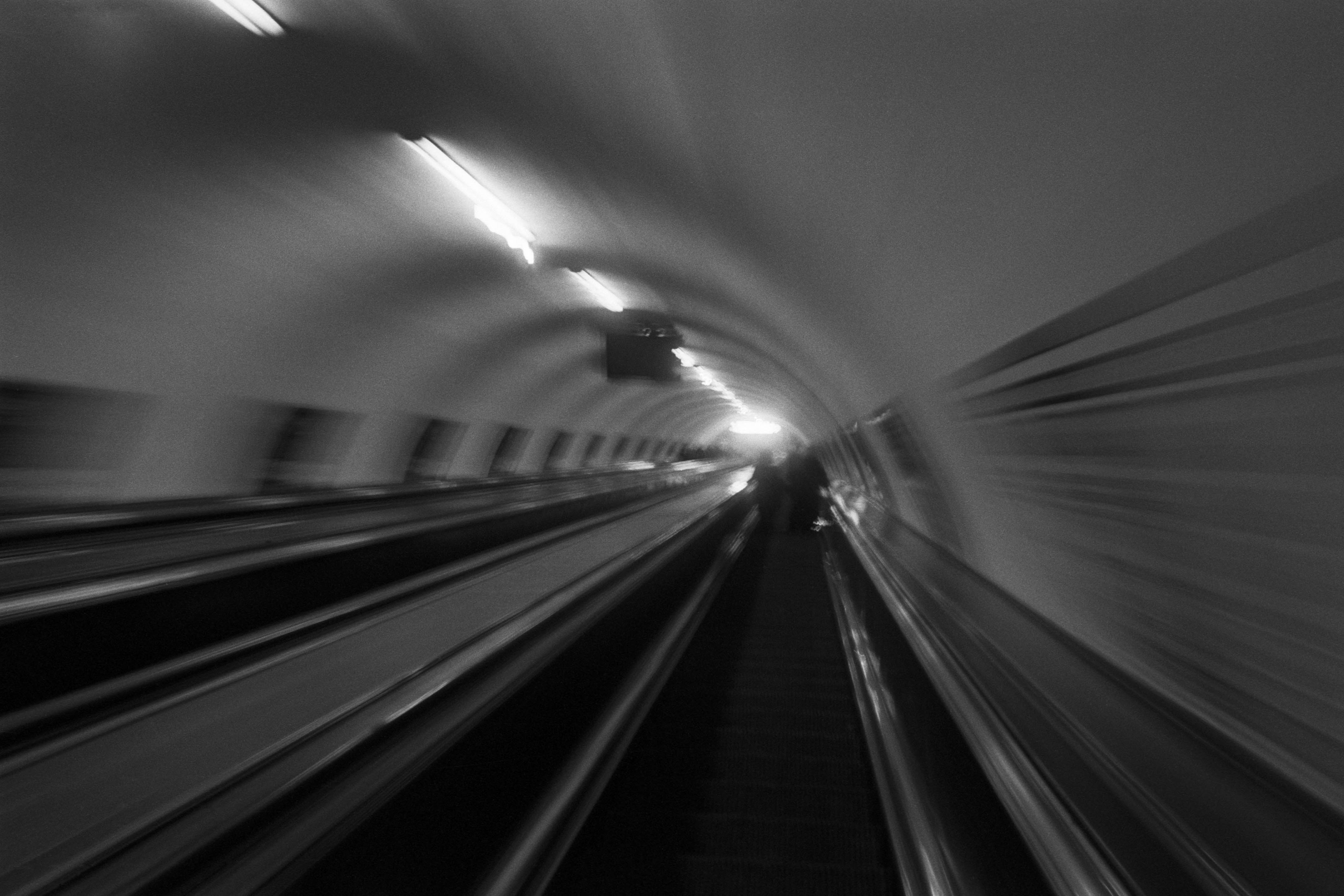
The Wall
2015Winner of the 1st prize & Golden Glass Award at the 11th Photographic Open Championship Olsztyn, and 1st place with the Special Prize of FORMAT magazine at the 3rd Biennial of Art in Piotrków Trybunalski.
View Series →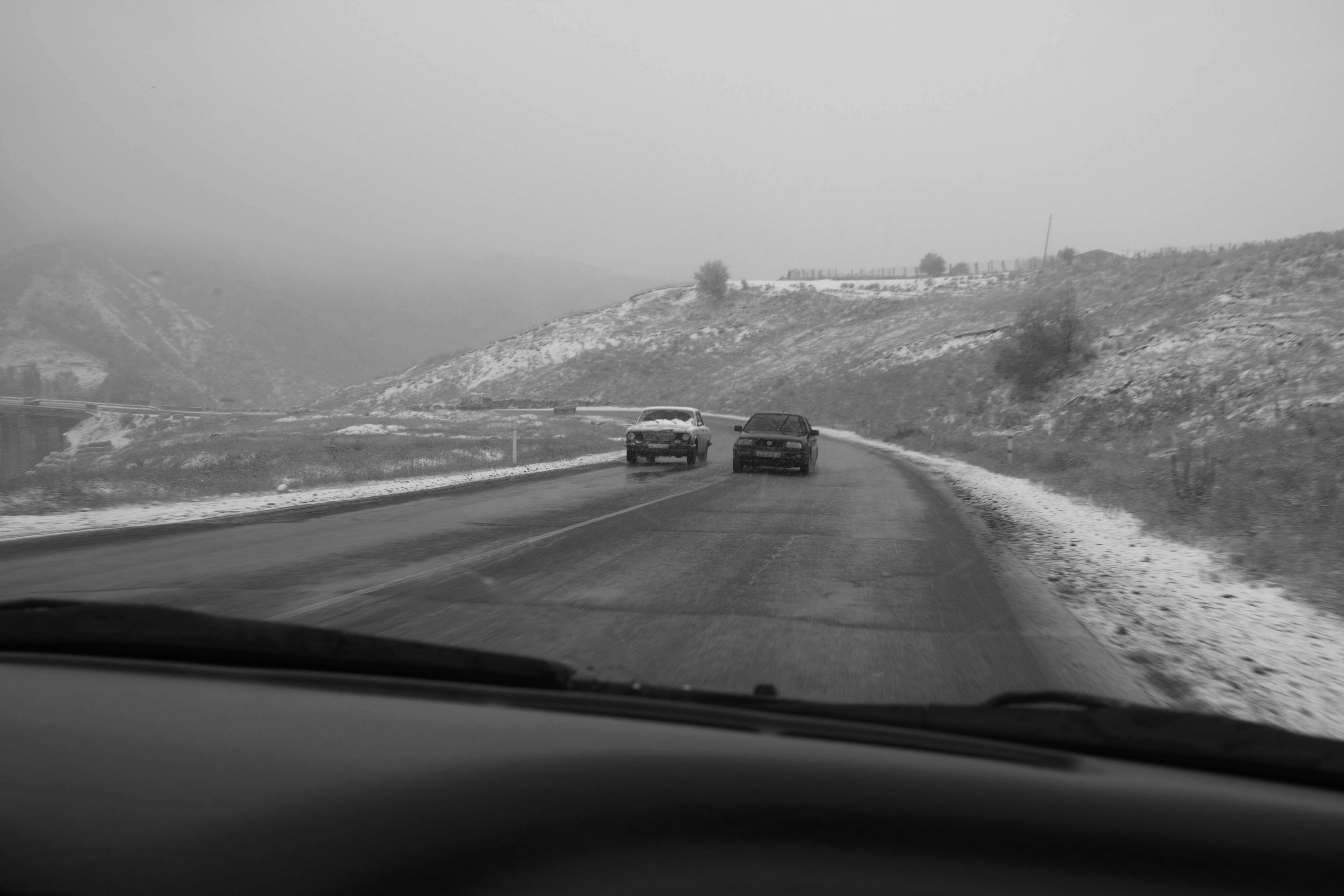
An Engagement Ring
2011A narrative series set in Wrocław in August 2011. Awarded 2nd prize & Silver Glass at the 10th Photographic Open Championship Olsztyn in 2014.
View Series →
Heat Wave
2014A documentary series recording spontaneous events across August and September 2014, capturing the raw energy of a city under the grip of summer.
View Series →