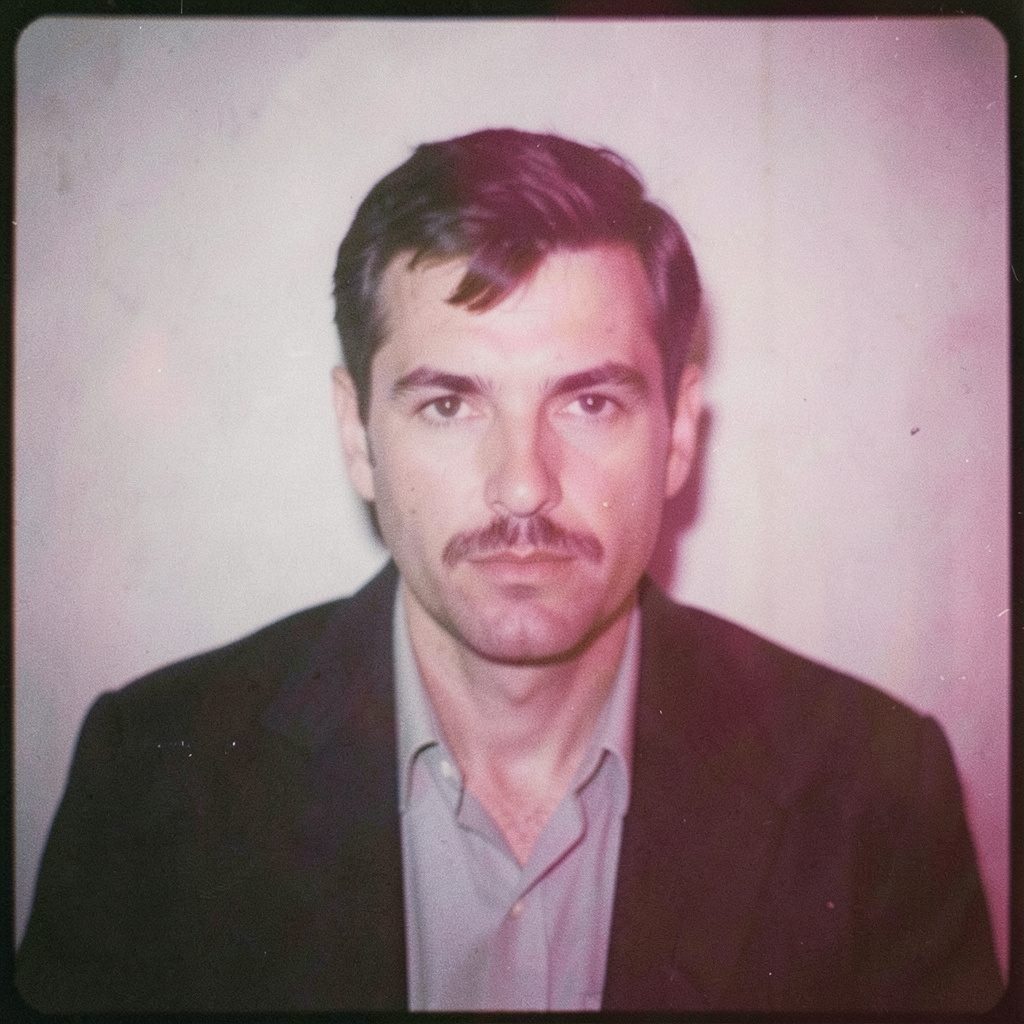
"Photography is not about the thing photographed. It is about how that thing looks photographed."
Why medium format film still matters in a digital age
Photography now lives in a world of instant previews, high-resolution sensors, cloud galleries and same-day social media delivery. A portrait can be captured in the morning, retouched at lunch and published before the afternoon meeting. In that environment, medium format film may appear deliberately slow, expensive and impractical. Yet its continued presence in fine art, fashion, portraiture and commercial photography points to something deeper than nostalgia. Learn more about The Role Of The Photographer As A Storyteller.html.
Medium format film changes the relationship between photographer, subject and image. Its larger negative, considered pace and distinctive rendering encourage attention at every stage, from choosing the light to making a print. For photographers working across analogue and digital processes, the format remains a serious creative instrument: one capable of producing images with physical presence, emotional restraint and a visual language that is difficult to imitate with a preset.
A different kind of seeing
A medium format camera records an image on film that is substantially larger than a standard 35mm frame. That extra surface area can hold refined tonal transitions, subtle texture and an unusually calm sense of detail. Skin, fabric, architecture and shadow often appear with a smoothness that feels spacious rather than aggressively sharp. The result is not simply a larger photograph; it is a different way of organising visual information.
The camera itself encourages a slower rhythm. Many medium format systems are heavier, quieter and less automatic than contemporary mirrorless bodies. Looking through the waist-level finder of a classic camera can invert the usual act of photographing: the subject becomes part of a carefully observed frame instead of a target selected through a rapid sequence of exposures. This can create a more deliberate exchange during a portrait session, especially when trust and concentration matter.
That slower pace has practical value. A photographer who knows there may be only twelve or sixteen frames on a roll tends to refine posture, background, gesture and expression before pressing the shutter. The resulting image often carries a sense of intention that viewers recognise, even when they cannot identify the technical reason for it.
The character of the negative
Film has a material identity. Grain varies according to emulsion, exposure, development and enlargement, while highlights can roll gently into brightness instead of breaking into the clipped areas familiar from careless digital exposure. Black-and-white film can hold a broad range of greys, allowing a face or building to feel sculptural without becoming harsh. Colour negative film brings its own palette, with restrained saturation and nuanced responses to skin tones.
Medium format is especially persuasive when the final image needs to feel tactile. A fashion photograph can show the weave of wool, the fall of silk or the slight imperfection of a hand-printed surface. In an environmental portrait, the subject can remain distinct while the surrounding room retains enough information to suggest a personal history. The larger negative also gives the photographer flexibility when producing exhibition prints or detailed campaign imagery.
This character should not be confused with technical perfection. Film may contain dust, uneven grain, minor colour shifts or the occasional flaw. Those qualities can make an image feel lived-in rather than manufactured. In an age when software can smooth every pore and sharpen every edge, a controlled imperfection can become part of the message.
Slower work, stronger decisions
Digital photography makes experimentation wonderfully accessible. A photographer can change ISO, review a histogram and make hundreds of frames without worrying about processing costs. Film introduces limits, and limits can sharpen judgement. Exposure must be estimated or measured, focus must be trusted, and the photographer has to imagine the finished frame before it appears.
This process affects the person being photographed. A portrait subject is less likely to freeze into a sequence of identical expressions when the camera is not constantly firing. There is room for pauses, conversation and small changes in body language. In business portraiture, that can be the difference between a generic headshot and an image that communicates authority, openness or thoughtfulness.
The waiting period also has creative consequences. When a roll is sent to a laboratory or developed in a darkroom, the image is temporarily separated from the photographer’s immediate judgement. That distance can reveal strengths and weaknesses more clearly. Instead of adjusting the image instantly to match an expectation, the photographer learns to read what actually happened.
For fine art work, this delay becomes part of the practice. A series can develop through repeated observation rather than rapid selection. Medium format negatives may be edited alongside contact sheets, notes and test prints, giving the photographer a physical archive of decisions.
Film in Australian creative practice
Australia has a strong relationship with both expansive landscapes and carefully observed urban life, making the qualities of medium format film particularly relevant. Harsh sunlight on Sydney’s sandstone, the soft grey light around Melbourne’s laneways and the bright coastal atmosphere of Fremantle each demand different approaches to contrast and exposure. Film can respond to these conditions with a visual restraint that suits editorial portraits, architecture and slow-paced documentary work.
Local production realities also matter. A commercial photographer in Australia may be travelling between a city studio and a regional location, working around long distances, changing weather and tight client schedules. A roll of film cannot replace a fast digital workflow for every brief, especially when a campaign requires hundreds of selects before an arvo review. Yet a smaller analogue component can give a project a signature look: perhaps a series of hero portraits, a printed cover image or behind-the-scenes photographs with more atmosphere.
The Australian market is comfortable with hybrid practice. Independent magazines, galleries, fashion labels, hospitality brands and corporate teams often need images that work across websites, press releases, large-format displays and social platforms. A photographer may shoot film for the key frames, scan the negatives at high resolution, retouch selected files and deliver them alongside digital captures. Clients receive practical files without losing the depth and individuality of an analogue original.
There is also a growing appreciation for process. In cities such as Melbourne, Sydney and Brisbane, exhibitions, artist talks and photography festivals create audiences interested in how an image was made. The darkroom is no longer merely a technical backroom; it can be part of an artist’s story, especially when viewers are looking for work that feels distinct from an endless stream of phone images.
From darkroom to digital delivery
Using film does not mean rejecting contemporary technology. A negative can be developed according to traditional darkroom principles, scanned with care and prepared for a wide range of digital applications. Colour correction, dust removal, retouching and file preparation remain important parts of the workflow. The digital stage extends the life of the negative rather than cancelling its analogue origins.
A high-quality scan preserves the tonal structure and grain pattern that make the film valuable. Poor scanning, aggressive sharpening or excessive noise reduction can flatten that character, leaving an image that looks like a digital imitation of film. The transition from negative to file therefore demands the same attention as exposure and development.
For artists who print, the darkroom offers another path. Silver gelatin printing can translate a black-and-white negative into a physical object with depth, surface and subtle variations between editions. Fibre-based paper, enlarger light and chemical processing create a result that cannot be fully represented on a backlit screen. This matters when the photograph is intended for a gallery wall, a private collection or a carefully produced book.
A hybrid workflow also suits commercial deadlines. Film can be exposed during a considered session, processed and scanned, then delivered through the same online proofing and archival systems used for digital commissions. The method may be traditional, but the service can remain organised, responsive and entirely contemporary.
Portraits, fashion, and commercial meaning
In portraiture, medium format film can help shift attention from surface correction to presence. The larger frame renders eyes, hands, clothing and surroundings with a convincing physicality. This is valuable for an executive portrait that needs warmth rather than corporate stiffness, or for an artist’s portrait where the studio environment carries as much meaning as the face.
Fashion photography benefits from the format’s relationship with proportion and texture. Clothing can occupy the image as a designed object while the model retains an unforced human quality. Film also encourages a smaller number of deliberate looks, which can make a campaign feel cohesive. Rather than producing endless variations, the photographer builds a sequence around light, styling, gesture and atmosphere.
Events present a different challenge. A digital camera is often essential for speed, changing conditions and immediate delivery, yet film can produce memorable supporting frames at a launch, performance or private gathering. A few carefully timed exposures may communicate the feeling of the event more powerfully than a large archive of near-identical images. This balance between coverage and interpretation is part of the broader photographer as storyteller role.
Conceptual photographic series gain even more from the format’s discipline. When the camera, film stock, aspect ratio and development method remain consistent, the images can share a strong internal language. The series begins to feel authored from frame to frame, with repetition and variation working together rather than relying on post-production to impose unity.
Why the choice still matters
Medium format film remains relevant because photography is judged by more than resolution, speed and convenience. It is judged by the emotional response an image creates, the credibility of its texture and the sense that a particular moment was carefully noticed. Film offers a route to those qualities through its physical materials and its demand for considered attention.
Its value is also connected to difference. When audiences encounter thousands of clean, instant images each day, a photograph with measured tonal depth and visible material character can hold their attention for longer. It may feel quieter than a highly processed digital image, but quietness can be powerful in a portrait, editorial spread or exhibition.
For photographers, the format encourages a complete practice: observation, exposure, development, editing, scanning, printing and presentation. Each stage affects the final meaning. That continuity makes the negative more than a capture device; it becomes part of the work’s history.
The enduring place of medium format film is therefore practical as well as artistic. It can produce distinctive campaign images, memorable portraits and fine art prints while fitting into a modern, hybrid workflow. Digital technology has made photography faster and more accessible, but it has not removed the need for patience, texture or intention. Those qualities are precisely why the analogue negative still matters.
Selected Series
A cross-section of commissioned and personal projects spanning fine art, commercial, and conceptual work.
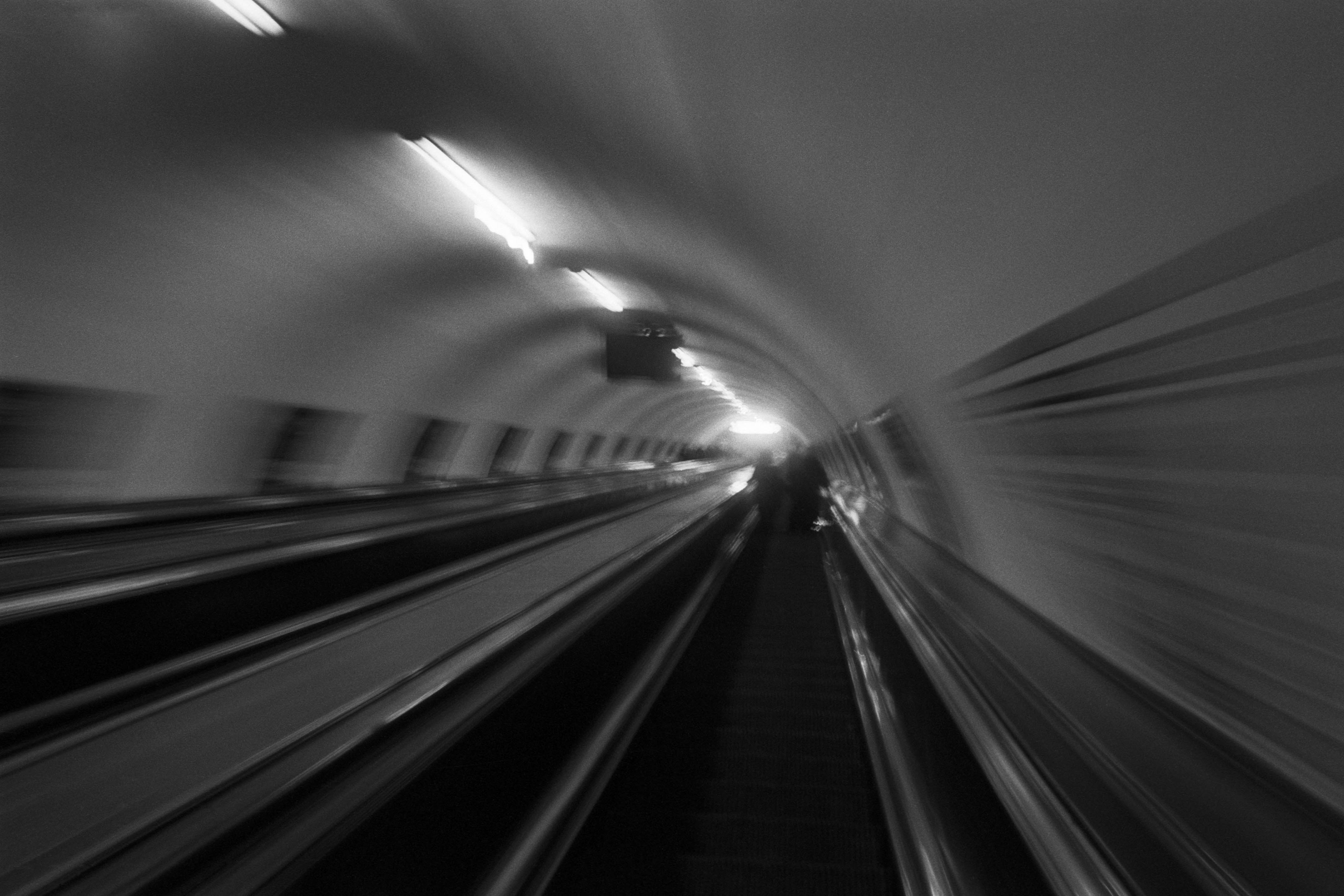
The Wall
2015Winner of the 1st prize & Golden Glass Award at the 11th Photographic Open Championship Olsztyn, and 1st place with the Special Prize of FORMAT magazine at the 3rd Biennial of Art in Piotrków Trybunalski.
View Series →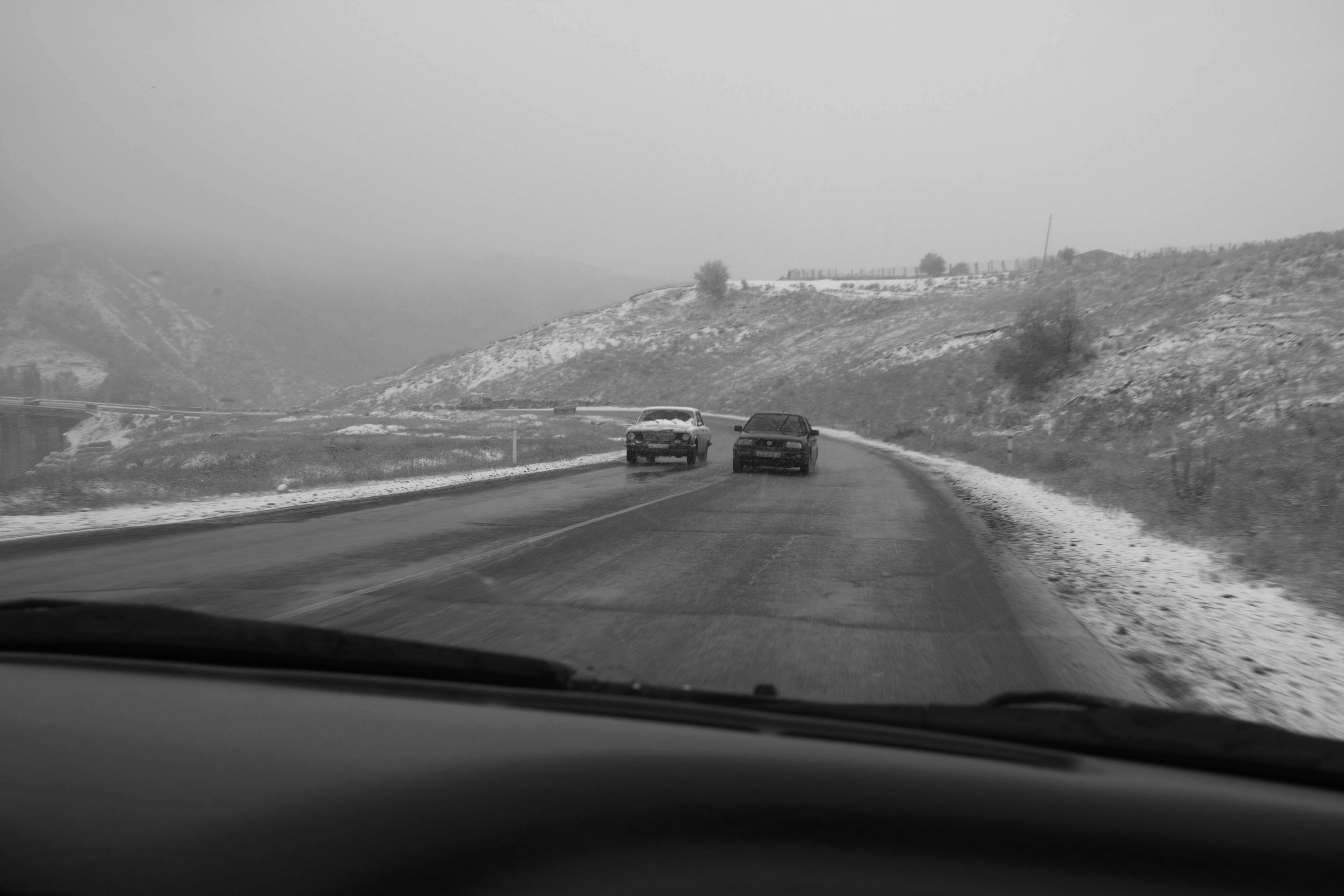
An Engagement Ring
2011A narrative series set in Wrocław in August 2011. Awarded 2nd prize & Silver Glass at the 10th Photographic Open Championship Olsztyn in 2014.
View Series →
Heat Wave
2014A documentary series recording spontaneous events across August and September 2014, capturing the raw energy of a city under the grip of summer.
View Series →